
Nail Breakage Prevention: Stronger Nails Daily
The morning light catches the tiny half-moon at your cuticle, a soft glow against a mug of steamy coffee. You reach for your tote, feel a snag on your sweater sleeve, and hear it—the quiet, sharp split of a nail. It’s not a crisis. But it still stings. Your plans for a fresh, neutral mani now have a jagged edge, and so does your mood.
We’ve all been there: a graceful day interrupted by a small, inconvenient break. Sometimes it feels like nails crack at the worst moments—a big meeting, an early flight, a much-needed dinner date. You buff, you baby, you promise to stop opening packages with your nails. Still, the splits return. They peel at the tips. They chip by day three. And you wonder if stronger nails are just for people with different genes or gentler schedules.
Here’s the reassuring truth. Nail strength is teachable. Nail breakage prevention isn’t a unicorn; it’s a series of small, consistent habits that add up. Think of it as a quiet ritual: a blend of hydration, protection, and thoughtful technique. It’s as practical as keeping gloves by the sink and as soothing as massaging cuticle oil while watching your favorite show.
You don’t need a complicated routine or a drawer full of products. You need a smart sequence, the right ingredients, and a few protective swaps. You need to understand how nails actually behave—how water, oils, and friction change them—so your care works with your life, not against it.
Today, we’re building a nail care plan that fits into real days. Early alarms, tight schedules, and busy hands included. You’ll learn what causes breaks, how to prevent them, and how to reset fragile nails in just one week. You’ll feel the difference when your nails bend and bounce back instead of snapping. You’ll see the difference when polish lasts longer and edges stay smooth. And you’ll enjoy the subtle confidence that comes from hands that feel looked after.
Let’s make “strong nails” your everyday normal.
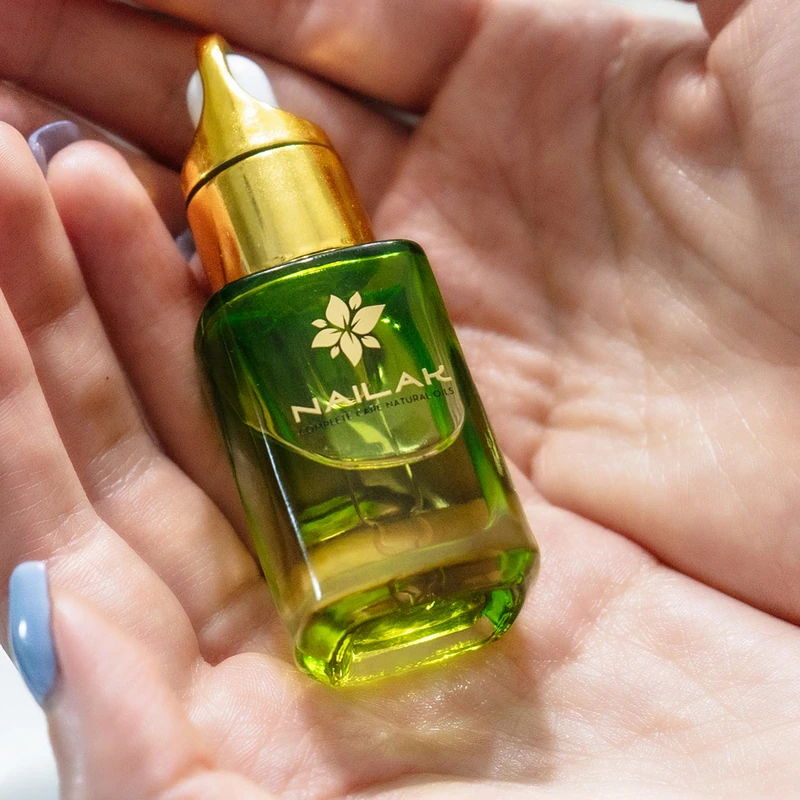
Quick Summary: Nail breakage prevention comes from moisture balance, gentle techniques, protective products, and consistent, small daily rituals.
Why Nails Break: The Real Culprits
Strong nails are flexible, not rigid. They hold water and lipids in balance. When that balance tilts, nails become brittle or too soft, and both can break.
- Water swings: Nails absorb and lose water fast. Constant wet-dry cycles—washing dishes, frequent handwashing—swell and shrink the nail, causing layers to separate.
- Stripping solvents: Acetone and some alcohol-heavy sanitisers dehydrate keratin, leading to peeling and micro-cracks.
- Mechanical stress: Tapping keyboards with nail tips, lifting tabs, or picking at labels turns nails into tools. Tiny stresses add up.
- Incorrect filing: Rough, seesaw filing frays the free edge. Micro-tears grow into larger splits.
- Environmental factors: Cold, low-humidity air and hot, dry rooms pull moisture from nails and skin.
- Nutrition gaps: Low protein, iron, zinc, or omega-3s can affect nail growth and resilience.
- Length and shape mismatches: Long, square edges can catch and break if your nails are thin or your daily tasks are hands-on.
Here’s the secret: you don’t need to eliminate every culprit. You need enough buffers—oils, creams, smart tools, and gentler habits—to keep nails supple and protected.
Daily Rituals for Stronger Nails
A solid routine doesn’t require extra hours. It asks for mindful swaps and tiny pauses.
- Morning
- Apply a rich hand cream after washing. Seal with a drop of cuticle oil onto each nail and massage in.
- Keep nails at a manageable length—short to medium—especially during busy weeks.
- During the day
- Wear gloves for dishes and cleaning to reduce water exposure and harsh chemicals.
- Use the pads of your fingers for tasks, not the nail edges.
- Reapply hand cream after sanitiser. Follow with a whisper of oil on the cuticles if they look dull.
- Evening
- Massage cuticle oil into nails while you unwind. Think 30 seconds per hand.
- If you shower at night, seal water in afterward with cream and oil.
- Weekly
- File gently to maintain shape. Use a fine-grit glass or crystal file.
- Refresh your base coat if you wear polish. Choose a strengthening, flexible formula.
This is nail breakage prevention in motion: balance moisturisers with barriers, and limit stress on the edges.
A 7-Day Nail Reset Plan
If your nails are peeling or breaking often, give them one focused week.
- Day 1: Trim to a shorter, rounded or soft-square length. Smooth edges in one direction using light pressure. Apply a flexible strengthening base coat or a treatment with hydrating agents like glycerin or phospholipids.
- Day 2: Morning and night, apply cuticle oil (jojoba or squalane) and a ceramide-rich hand cream. Wear gloves for all wet work.
- Day 3: Lightly buff only if needed to reduce snag points—no aggressive buffing. Reapply base coat if your product allows layering.
- Day 4: Emulsify, don’t strip. Use a gentle, fragrance-free hand wash. Follow with cream and oil immediately.
- Day 5: Check shape. If corners feel sharp, refine with a few single-direction strokes. Keep nails short.
- Day 6: Oil treatment night. Massage each nail and cuticle for a full minute. Slip on cotton gloves for 20 minutes to lock in moisture.
- Day 7: Remove treatment if directed; otherwise, refresh topcoat. Maintain your glove habit and daily oil.
By the end of the week, edges should feel smoother, and small tears less frequent.
Smart Products and Ingredients That Protect
You don’t need a shelf full of bottles. You need effective basics.
- Cuticle oil
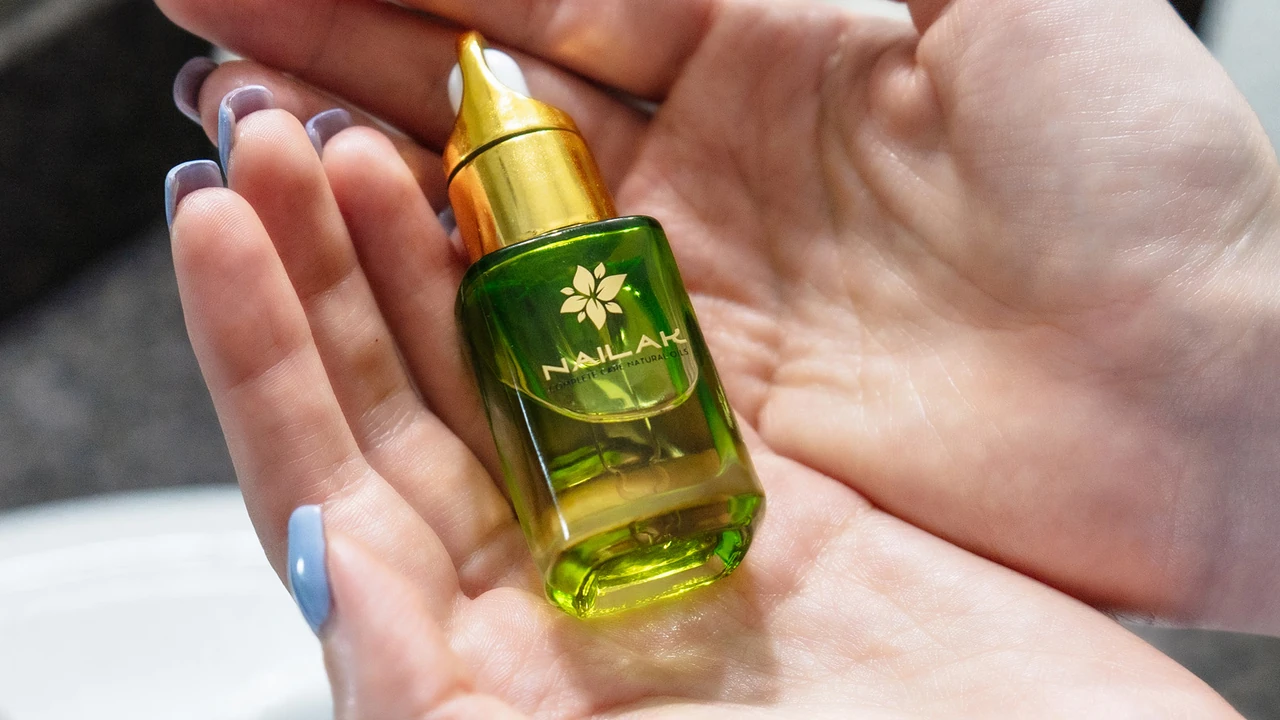
- Look for jojoba, squalane, sweet almond, or sunflower oil. Jojoba is structurally similar to skin’s sebum and penetrates well.
- Vitamin E supports barrier function. A tiny amount goes far.
- Hand cream
- Choose a formula that blends humectants (glycerin, hyaluronic acid), emollients (shea butter), and occlusives (dimethicone).
- Ceramides and cholesterol help replenish the barrier, especially in dry weather.
- Base coat
- Seek “flexible” strengthening formulas. Hydrating treatments with phospholipids, AHAs like lactic acid (in low, nail-safe amounts), or calcium pantothenate support resilience.
- Avoid formaldehyde-hardening treatments if your nails are brittle; they can over-harden and lead to snapping.
- File
- Use a fine-grit glass or crystal file. It seals the edge more cleanly than coarse emery boards.
- Polish remover
- Choose non-acetone or acetone with added conditioners, and follow with oil. Limit removals to once weekly if possible.
Pro tip: If you love gel manicures, schedule “recovery weeks” every few cycles. Focus on oil, cream, and gentle filing, and avoid picking at gel. Your nail plate will thank you.
Gentle Techniques That Stop Snags
Technique is everything. How you move matters as much as what you use.
- File like a pro
- Work from the outer corner toward the center in one direction. Lift and repeat; don’t seesaw.
- Keep edges slightly rounded. Sharp corners catch on fabric.
- Shorter is safer, for now
- If nails are breaking, a shorter length reduces leverage and tearing. Regrow gradually as strength returns.
- Stop using nails as tools
- Use a key or butter knife for tabs and boxes. It feels odd at first. Soon it feels wise.
- Protect during chores
- Wear nitrile or rubber gloves for dishes and cleaning. Slip on cotton liners underneath if your hands get sweaty; moisture build-up can soften nails too much.
- Type with pads, not tips
- Keep wrists neutral and let your fingertips touch the keys. This single habit protects edges all day.
- Mind your manicure removal
- Don’t peel polish or gel. Soak and gently nudge with a wooden stick. Peeling removes nail layers and invites splits.
Here’s the truth many people miss: prevention is a choreography. Every small, gentle choice keeps the free edge intact.
Nutrition and Hydration for Nail Resilience
Nails are keratin. To grow stronger, they need building blocks and steady hydration.
- Protein
- Aim for a source with each meal: eggs, Greek yogurt, tofu, legumes, fish, or poultry.
- Iron and zinc
- Include leafy greens, beans, lean meats, oysters, seeds, and fortified cereals. Low levels can impact nail growth.
- Omega-3s
- Eat fatty fish (salmon, sardines), walnuts, chia, or flax to support nail and skin moisture.
- Biotin
- Helpful mainly if you’re deficient. If you eat varied foods like eggs, nuts, and whole grains, you may not need a supplement. If considering supplements, check with a healthcare provider, especially due to biotin’s interference with some lab tests.
- Everyday hydration
- Water supports nail flexibility. Sip consistently throughout the day, and pair with electrolytes if you work out heavily or travel often.
Sample day for nail support:
- Breakfast: Greek yogurt with chia, berries, and a sprinkle of pumpkin seeds.
- Lunch: Quinoa bowl with roasted chickpeas, spinach, cherry tomatoes, olive oil, and lemon.
- Snack: Apple with almond butter.
- Dinner: Salmon with sweet potato and sautéed kale.
Strong nails begin in the kitchen and stay strong with oil and cream.
Seasonal Shifts and Lifestyle Triggers
Changing weather changes nails. Winter’s dry air pulls moisture from keratin. Spring’s frequent temperature swings can do the same. Add more washing in cold season, and you’ve got a recipe for brittle edges.
Consider how your wardrobe influences your nails, too. Knits and textured fabrics can snag. Zippers and metal clasps can chip. If you commute with gloves, check that the lining isn’t rough at the fingertips. Small details prevent big breaks.
In fashion, transitional dressing gets plenty of attention this time of year. A recent try-on roundup highlighted pieces that bridge winter to spring—the “weird” in-between season we all feel. Your nails go through a similar transition, which is why gloves, richer creams, and mindful filing matter even more now (source: https://puttingmetogether.com/try-ons-quince-loft-old-navy-nordstrom-and-no-show-underwear/).
Simple seasonal switches:
- Winter
- Heavier cream, frequent oil, and humidifiers by the bed.
- Keep nails shorter and rounded to reduce catches on knit sleeves.
- Spring
- Maintain oil use as temperatures rise. Continue gloves for chores.
- Monitor length as activities shift outdoors.
- Summer
- Chlorine exposure? Rinse and reapply oil post-pool. Keep a small tube of cream in your beach bag.
- Fall
- Air gets drier. Increase cream and introduce overnight cotton gloves once weekly.
Your nails are part of your seasonal self-care wardrobe. Dress them accordingly.
A Quiet Ritual of Strength
There’s something intimate about caring for your hands. It’s not flashy or loud. It’s a pause that says, I’m worth a few minutes. When you rub oil into your cuticles or smooth cream onto your knuckles, you give your day a softer edge. It’s presence. It’s calm. It’s the reminder that real strength has flexibility.
Nail breakage prevention isn’t perfection. It’s a rhythm. Some weeks you’ll file carefully, wear gloves, and wake up to satin-smooth edges. Some weeks you’ll snag on a sweater and sigh. Keep going. Each small ritual builds resilience—of nails, yes, but also of spirit.
When your hands feel looked after, you reach out more. You gesture, you type, you hold. You’re not afraid of the little catches because you’ve built a routine that has your back. That’s the quiet confidence we’re here for—nails that bend and bounce, and a life that does, too.
Frequently Asked Questions (FAQ)
Q: How often should I apply cuticle oil for nail breakage prevention?
A: Twice daily is ideal—morning and night. If your environment is very dry or you wash hands frequently, add a midday application. Consistency matters more than the amount.
Q: What nail shape is best to prevent breakage?
A: A rounded or soft-square shape with slightly tapered corners tends to catch less. The best length is short to medium while rebuilding strength; you can grow longer once your edges stay smooth for a few weeks.
Q: Are “strengthening” polishes safe for brittle nails?
A: Choose flexible, hydrating formulas over hardening treatments. Products with conditioning agents (glycerin, lactic acid in low levels, phospholipids) support resilience. Avoid formaldehyde-based hardeners if you’re prone to snapping.
Q: Can biotin supplements stop nail breakage?
A: Biotin can help if you’re deficient, but it’s not a guaranteed fix for everyone. A balanced diet with protein, iron, zinc, and omega-3s is foundational. If you consider biotin, talk to your healthcare provider and be aware it can affect some lab test results.
Q: How do I prevent breaks if I love gel manicures?
A: Space out gel applications with “recovery weeks,” never peel off gel, and commit to daily oil and cream. Ask your tech for minimal filing on the nail plate and consider flexible builder gels if your nails are thin.
Estimated word count: 1,980 words.