
How to Do Manicure at Home Like a Pro
The kettle hums while morning light slides across your kitchen table. Your week is still clinging to a single chipped thumbnail, a tiny reminder of emails, grocery lists, and a sprint to Thursday’s meeting. You set your phone to Do Not Disturb, lay a clean hand towel beside a small row of polishes, and exhale. The air smells faintly of almond from your cuticle oil. A cat tail flicks past. Somewhere in the building, someone plays soft jazz.
You didn’t book a salon. You don’t need to. Today, you’re choosing a slower kind of polish—one that begins with washing your hands, lighting a candle, and deciding between a tea-rose sheer or grounded taupe. You lift each bottle, watching the lacquer catch the light. It’s almost meditative, this tiny ritual of choice.
There’s a calm that arrives when you practice care with your own hands. You can hear it in the gentle scrape of a glass file, feel it in the cool swipe of remover on a lint-free pad. You roll your shoulders back. Small steps, steady pace. This is how to do manicure at home without rushing: clear a surface, gather tools that work, and move with intention.
The week may have been loud, but here, details lead. You’ll notice the arc of your nail line, the way your skin softens with a drop of oil, how your polish looks cleaner when you paint in thin, patient coats. You’ll even learn to love the pause between layers. It becomes a quiet training in trust—trust that two minutes really can make a difference, that tiny choices add up to shine, that “good enough” becomes “beautiful” once you slow down.
Choosing your color feels like choosing your mood. Warm mauve for gentleness. Bright cherry for courage. A creamy neutral for clarity. You could almost feel the smoothness already, the tiny click as sealed edges meet coffee mug. And when you glance back at that once-chipped thumbnail, it’s not a flaw anymore. It’s a place you cared for. A secret signal to yourself that you’re paying attention. That you’re allowed to take up time.
Welcome to your table-side salon. Let’s turn a simple at-home manicure into a quiet luxury you can repeat every week.
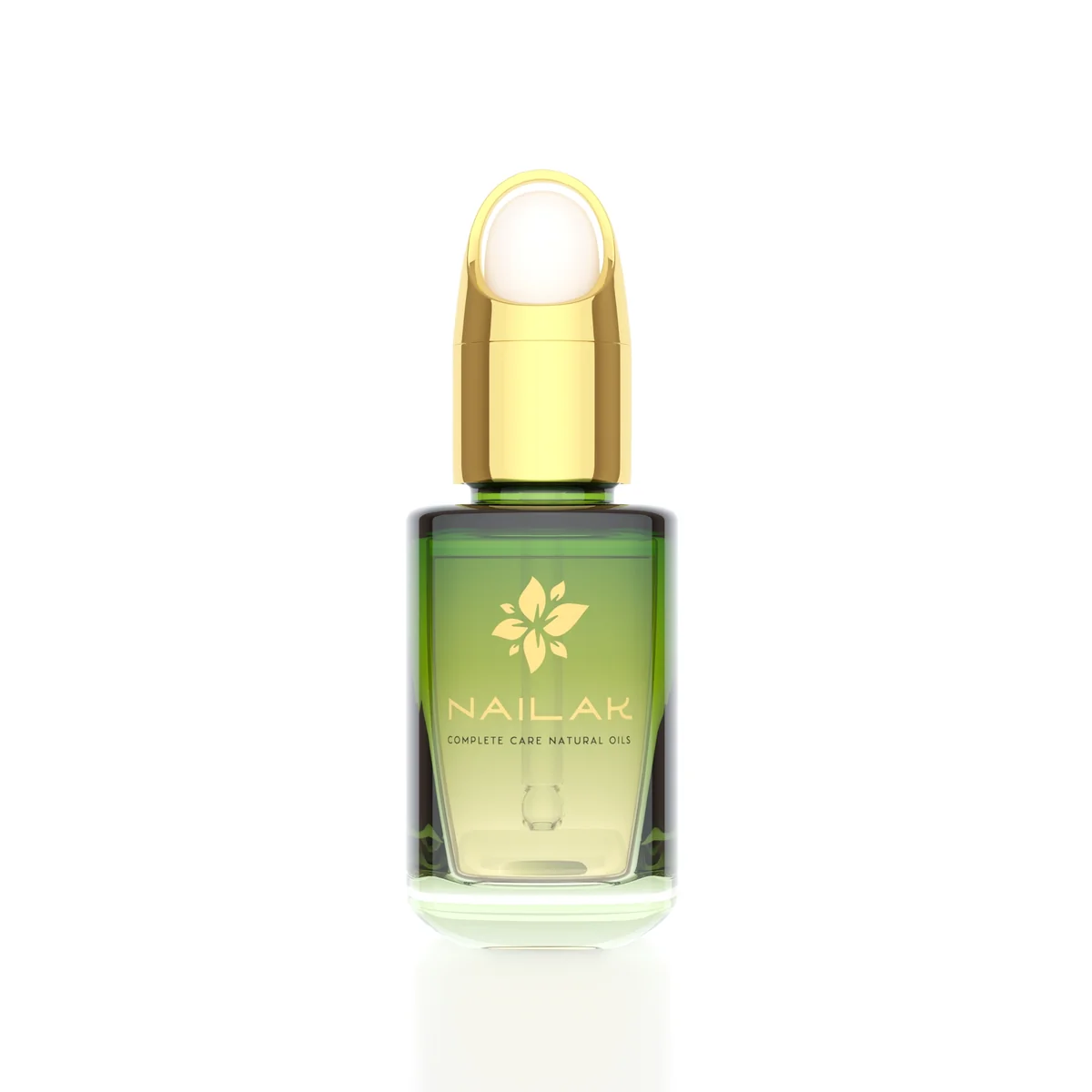
Quick Summary: Learn how to do manicure at home—step-by-step prep, pro-level polishing, smart tools, and calm rituals that last.
Set the mood and your station
A polished result starts before the first coat. Create a setup that helps you move smoothly and safely.
- Work near natural light or a bright desk lamp.
- Lay a clean towel or paper placemat to catch spills.
- Ventilate the room if you use acetone or fast-dry products.
- Keep a small trash bowl nearby for used pads and cotton.
Gather your essentials:
- Non-acetone or acetone remover and lint-free pads
- Glass nail file and a soft buffer (240–320 grit)
- Cuticle remover (alkali or AHA-based) and a pusher
- Nippers for hangnails only
- Isopropyl alcohol (70%+) or nail dehydrator
- Base coat, color, and top coat
- Small angled brush for clean-up
- Cuticle oil (jojoba or squalane) and hand cream
Set a gentle rhythm. If you can, cue a 90-minute playlist so you’re not checking the clock.
Prep: Clean, shape, and care
Good prep is 70% of how to do manicure at home. Nail polish clings best to clean, balanced surfaces.
- Remove old polish
- Press a saturated pad on each nail for 10–15 seconds before wiping.
- If using glitter, wrap a small foil around acetone-soaked pads for 5–7 minutes.
- Wash and dry
- Wash with mild soap to remove remover residue.
- Dry thoroughly; water swells nails and can cause post-polish chips.
- Shape with a glass file
- File in one direction, from side to center, with light strokes.
- Keep the file parallel to the tip for smooth, sealed edges.
Short, rounded, or squoval?
- Rounded: Soft, classic, and least likely to snag. Ideal if you type all day.
- Squoval: Square top with curved sides. It looks modern and resists breaks.
- Short square: Chic, but sharp corners can chip if too long. Soften slightly.
Match length across hands. Aim for tips that clear your finger pads by 1–2 mm.
Cuticles: Gentle is key
Cuticles protect your nail matrix. The goal is tidy, not trimmed-away.
- Apply a cuticle remover (look for potassium hydroxide under 2% or lactic acid).
- Wait 30–60 seconds, then push back gently with a pusher.
- Trim only true hangnails or dry spurs. Never cut living tissue.
- Rinse hands and dry again.
Final prep: Wipe nails with isopropyl alcohol or a dehydrator to remove oils. Skip hand cream for now—it can cause polish to lift.
Polish like a pro at home
Think thin coats, clean edges, and a little patience.
Base, color, top: The three-coat rule
- Base coat: Builds grip and prevents stains. Many use acrylate copolymers for adhesion.
- Color: Two thin coats are better than one thick. Pigment lays smoother.
- Top coat: Seals, adds gloss, and boosts chip resistance. Quick-dry top coats use volatile silicones to speed set.
Tip: Cap the free edge after each coat. Run the brush lightly along the nail tip to seal the edge.
Timing and thin coats
- Load the brush, then wipe one side clean on the neck of the bottle.
- Start a hairline away from the cuticle to avoid flooding. Push polish gently toward the cuticle, then pull it down.
- Paint in three strokes: center, left, right.
- Wait about two minutes between coats. If it still looks wet, wait longer.
- Use an angled brush dipped in remover to clean edges as you go.
Optional boosters:
- Quick-dry drops (often cyclopentasiloxane-based) help surface-dry in minutes.
- A ridge-filling base can smooth tiny grooves for a cream finish.

Tools and ingredients that matter
Choosing the right materials is half the magic.
- Files: Glass files are precise and seal tips cleanly. Keep grit gentle (240+).
- Buffers: Use sparingly—over-buffing thins nails.
- Removers:
- Acetone is fast and effective. Pair with oil later to offset dryness.
- Ethyl acetate-based removers are gentler but slower. Look for glycerin or aloe to help reduce dehydration.
- Polishes: “5-free,” “7-free,” or “10-free” labels mean fewer legacy solvents like toluene or dibutyl phthalate. If you’re sensitive, look for formulas without formaldehyde resin.
- Base coats: Bonding bases can help soft, peeling nails. Look for acrylates and nylon for reinforcement.
- Top coats: Some include UV absorbers to slow yellowing.
- Oils: Jojoba (a wax ester similar to skin oils) penetrates well; squalane is featherlight; sweet almond is comforting. Choose fragrance-free if your skin is reactive.
Budget and consistency matter too. If you keep your kit simple but reliable, your results will show it.
A quick, loosely related note: I’ve noticed a broader lifestyle trend toward “universal tips” for smarter choices—whether it’s money, time, or habits. One Spanish-language roundup even frames decisions like choosing a betting offer as something to approach thoughtfully and within your means; the spirit is the same for DIY beauty—pick what serves you, and skip the rest (source: https://homeremediesforbeauty.com/consejos-apuestas-universales/).
Fixes, longevity, and quick art
You’ve painted beautifully. Now make it last—and have fun.
Longevity moves:
- Reapply top coat every two to three days.
- Wear gloves for dishes and cleaning.
- Keep nails dry between wet tasks; moisture swings cause chips.
- Oil cuticles morning and night to reduce micro-cracks.
Chip rescue:
- Lightly buff the chipped spot to smooth the edge.
- Wipe with alcohol.
- Touch up color thinly, just over the chip.
- Finish with top coat over the entire nail, capping the edge.
Quick nail art that looks polished:
- Negative space: Use striping tape or a thin brush to create a sheer crescent near the cuticle.
- Dots: A bobby pin or toothpick makes chic dotted accents. Think one dot near the base.
- French, fresh: Swap white for latte or berry tips. Paint the tip with a detail brush.
- Micro-flowers: Five tiny dots in a circle, one in the center. Minimal, charming.
If your polish keeps shrinking or bubbling, check three things: coats are too thick, layers aren’t dry, or there’s oil left on the nail. Thin, clean, and timed beats everything.
Hygiene and safety at home
Healthy nails are non-negotiable.
- Disinfect metal tools after each use. Soak in 70% isopropyl alcohol for 10 minutes or use a salon-grade disinfectant as directed.
- Wash and air-dry glass files; replace peeling buffers.
- Don’t share clippers or files.
- If you see green discoloration, persistent lifting, or tenderness, pause manicures and consult a clinician.
- Ventilate when using acetone or strong solvents. A small fan helps.
Sensitive or pregnant? Regular nail polish has low systemic absorption, but strong odors can trigger nausea or headaches. Choose low-odor products, avoid acrylic monomers like MMA, and take breaks for fresh air. Patch test new products on one nail for 3–5 days.
Redness around the nail? Switch to fragrance-free oils and gentle soaps. Hydrate between manicures with a ceramide-rich hand cream; glycerin and urea draw water into skin, helping cuticles lie flat.
A small ritual for confidence
Here’s the secret: a good at-home manicure is less about perfection and more about attention. You built it from stillness—the way you set the towel, centered the bottle, waited for each coat to settle. You chose a color that matched your energy. You noticed your hands, the way they do a thousand things each week, and you gave them back a little shine.
Confidence thrives in these small, steady rituals. They remind you that care isn’t another chore; it’s a boundary, a breath, a promise that you’ll meet yourself where you are. The finish may be glossy, but the real polish is how you treated your time.
Keep your kit ready. Set a playlist. When life scuffs your edges, you already know what to do: thin coats, soft patience, and a touch of oil. You’ll be amazed how often this carries you—on your keyboard, around a mug, into the next good thing.
Frequently Asked Questions (FAQ)
Q: What’s the simplest routine for how to do manicure at home?
A: Follow this five-step flow: remove polish, shape, care for cuticles, wipe with alcohol, then apply base, two thin color coats, and top coat. Cap the free edge each time. Finish with cuticle oil after the polish sets.
Q: Which nail polish remover is least drying?
A: Ethyl acetate-based removers with added glycerin or aloe are gentler than pure acetone. If you need acetone’s speed, balance it with post-manicure oil and hand cream. Avoid rubbing aggressively; let the solvent sit and do the work.
Q: How often should I do an at-home manicure?
A: Every 7–10 days works for most people. Reapply top coat every few days to extend wear. Oil cuticles daily to minimize splitting and keep polish looking fresh.
Q: How can I strengthen soft, peeling nails?
A: Keep nails short and use a glass file. Choose a bonding or strengthening base with acrylates or nylon fibers. Limit soaking and harsh detergents, wear gloves for chores, and apply jojoba or squalane oil daily. A biotin supplement may help some people—ask your clinician first.
Q: How do I avoid bubbles and streaks in polish?
A: Roll, don’t shake, your bottle to prevent air bubbles. Paint in thin coats, wait two minutes between layers, and work in a cool, draft-free spot. If the formula is thick, a drop of brand-approved thinner (not remover) can restore glide.
Estimated word count: ~1950