
Pre-Manicure Nail Prep for Flawless Nails
The kettle had just begun its soft rattle—steam blurring the kitchen window as morning light slipped across the counter. You cradle your mug, thumb resting on the warm ceramic, and glance down. A tiny snag at the corner of your thumbnail has been catching on everything lately: your silk pillowcase, your wool sweater, the smile of a ribbon as you pull it tight. It’s small, but it steals your focus. You find your manicure kit where you left it last week, still tidy, still promising that reverent hush that comes with sitting down and taking care of yourself on purpose.
There’s a playlist you love for this. It’s upbeat enough to keep your energy steady, with pockets of softness that feel like permission to slow down. Your polish shade—soft rose with a hint of latte—waits on the table by the window. The sun warms your lap. Your hands feel a little rough today, probably from all the handwashing and that vigorous scrub after cooking last night. You can almost feel the ridges on your nails when you run a finger across one. There’s a whisper of cuticle at the base, the kind that becomes visible in photos and under bright office lights. You picture yourself later, tapping notes on your phone, handing a cup of coffee to a friend, gesturing during that afternoon meeting. Nails tell stories, and you’re ready to choose the one you want to share this week.
Let’s be honest: polish is the fun part. The color. The shine. The tiny smile you give yourself when you catch it in the rearview mirror. But every time we rush the steps before color, we pay for it in chipped edges, bubbles, lifting near the cuticle, or that weird patchiness over ridges. Your nails, like your skin, react to how well they’re prepped. Oils left behind block adhesion. Waterlogged nails swell and then shrink, nudging polish to peel before the weekend even arrives. And overzealous buffing? That can thin the nail plate and make breakage more likely—no thank you.
So today, before your polish brush makes that satisfying first stroke, we’re doing the unsung heroics of a great manicure: pre-manicure nail prep. The ritual that sets the stage. The quiet, practical magic that takes a “nice try” to “how did you do that yourself?” Think of it as a recipe; each step builds flavor, stability, and that look of effortless finish. Don’t worry—you won’t need a salon e-file or pro license to get beautiful results. You will need patience, the right tools, and a light touch. You’ll learn why certain ingredients play well with keratin, how to clean without stripping, and when to wait so your polish can do what it’s designed to do.
You breathe in, let your shoulders fall, and open your kit. The file feels familiar in your hand. The lint-free pads are stacked like fresh napkins at a café. It’s calm, it’s simple, and it’s yours. In ten minutes, the little snag won’t exist anymore. In 40, your nails will look composed yet soft—like a linen shirt pressed and ready. Pre-manicure nail prep is not a chore. It’s a tiny boundary in your day that refuses to let rush win.
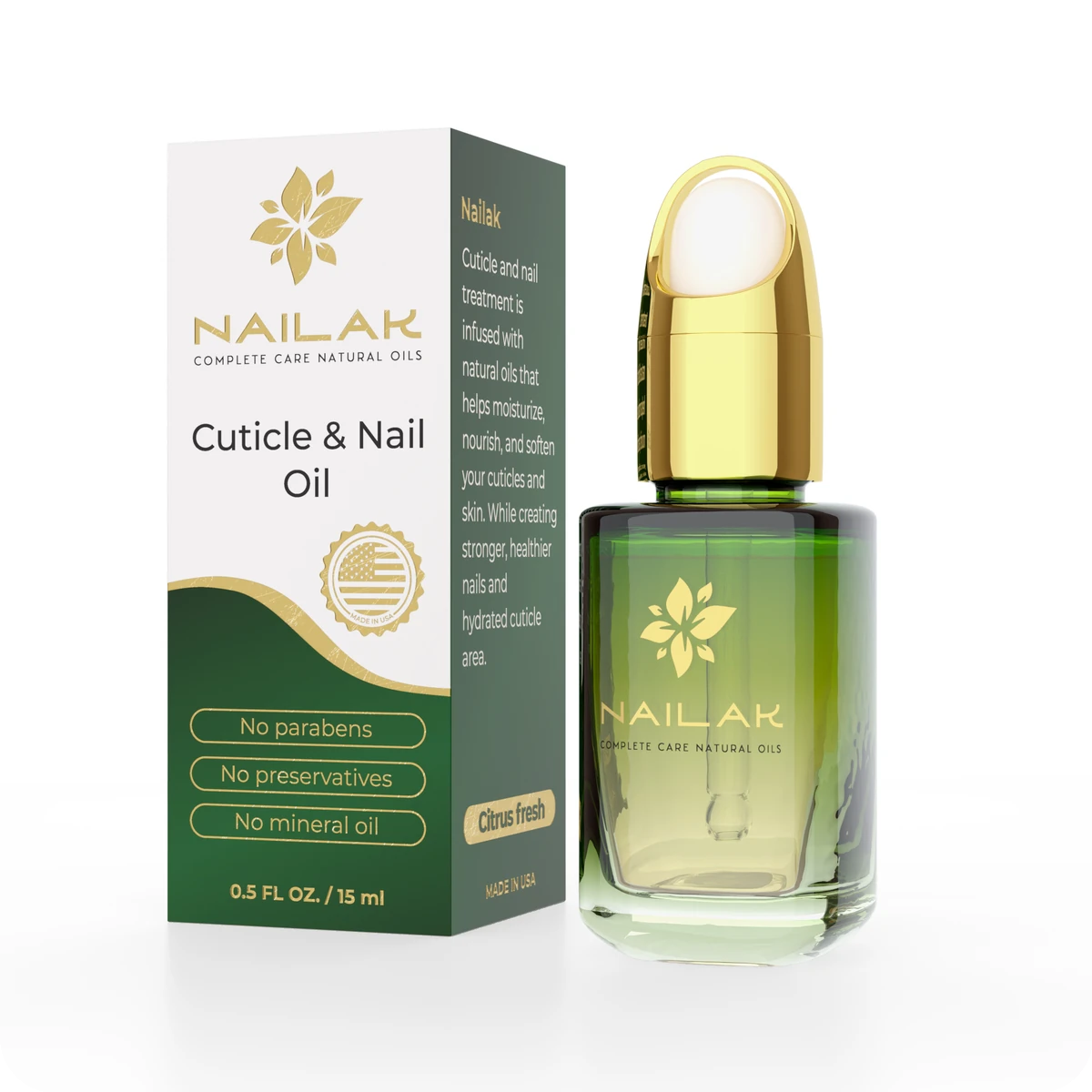
Quick Summary: A step-by-step, ingredient-savvy pre-manicure nail prep routine that boosts polish adhesion, wear time, and nail health—without harsh tricks or guesswork.
Why Pre-Manicure Nail Prep Matters
A beautiful manicure is 60% preparation and 40% polish. Pre-manicure nail prep handles what color alone can’t fix: oils, uneven texture, remnants of old product, and microtears at the free edge.
Here’s the science in simple terms:
- Nails are layers of keratin. They’re semi-porous and hold water.
- When you soak too long, the nail plate swells. As it dries, it shrinks back. That movement can lift polish.
- Natural oils from skin and everyday products prevent base coat from anchoring. Even hand cream can sabotage wear.
- Micro-roughness in the right places helps adhesion. Over-buffing everywhere weakens nails.
A focused prep does three jobs:
- Cleanses the nail plate without leaving residue.
- Creates a smooth, lightly etched surface for base coat grip.
- Calms and refines cuticles so the polish line stays clean and lasts.
Translation: Fewer chips, a glossier finish, and nails that look intentionally cared for.
Set the Mood and Gather Your Tools
Environment matters. Good light helps you see the sidewalls and cuticle edge. A stable surface keeps your strokes steady. Sit somewhere you won’t rush—near a window or with a warm lamp.
What you’ll need:
- Non-linting polish remover: acetone-based for speed or non-acetone if your nails are sensitive.
- Lint-free pads or wipes: cotton fibers left behind cause bumps.
- Gentle hand soap and a nail brush.
- A 180- or 240-grit nail file for shaping.
- A soft buffer block (240–400 grit) to smooth, not strip.
- Orangewood stick or a gentle metal pusher.
- Cuticle remover: choose AHA-based (lactic/glycolic) for sensitive skin or a mild alkaline remover for speed.
- Isopropyl alcohol (70–90%) or a dedicated nail cleanser.
- Optional dehydrator/bonder: helpful for oily nails or humid climates.
- Base coat: standard, ridge-filling, or rubbery flexible base for gel.
- Your color and top coat, plus a clean-up brush dipped in remover.
- Small dust brush and clean towel.
Tip: Keep creams and oils off your station until you’re done with top coat. They’ll have their moment—just later.
Cleanse and Degrease the Nail Plate
Clean nails aren’t just about hygiene. They’re about adhesion. This step removes surfactants, oils, and old pigments.
Follow these steps:
- Remove any polish thoroughly. If you’re taking off gel, soak or wrap as directed until the product lifts with gentle pressure. Do not pry.
- Wash your hands with a simple soap. Skip moisturizing formulas for now. Use a nail brush to cleanse around the nail folds and under the free edge.
- Rinse well and dry completely. Any water left hiding near the sidewalls will cause trouble.
- If you want a quick soak, keep it under 60 seconds. The goal is softness for cuticle work, not waterlogged nails.
- Wipe each nail with isopropyl alcohol or a dedicated nail cleanser. Use a fresh lint-free pad per hand. This final degrease is the make-or-break moment.
H3: For gel polish wearers
- Gently remove surface shine only with a 240-grit buffer or a very light hand. You’re not sanding; you’re creating micro-tooth.
- Keep the buffer flat to the plate. Avoid the cuticle area to protect the natural seal.
- Dust thoroughly, then cleanse again with alcohol.
Ingredient-focused note:
- Alcohols dissolve oils quickly. They also evaporate cleanly, leaving a neutral surface.
- Avoid cleansers with added glycerin or silicones at this stage—they can interfere with adhesion.
Shape, Buff, and Seal the Free Edge
Shape influences both beauty and durability. The right edge reduces snags and breakage.
How to shape without stress:
- Decide on a shape that suits your lifestyle: round or squoval resists chips; almond or oval lengthens the look of fingers.
- File from side to center in a single direction. Sawing back and forth can cause microfractures.
- Use 180 grit for quicker reshaping, 240 for gentle maintenance.
- Hold the file at a slight downward angle to “seal” the free edge. This polishes the thin keratin layers together.
- Lightly buff the very edge with a soft buffer to remove any burrs.
Buffing rules:
- Use a 240–400 grit buffer. Less is more.
- Focus on smoothing ridges only if needed, and only where you see them.
- Keep buffer time short. The goal is surface uniformity, not thinning.
Dust again. Then wipe with alcohol one more time. A pristine, slightly matte plate is perfect.
Gentle, Science-Backed Cuticle Care
Cuticles are often misunderstood. The “cuticle” you see is a mix: the true cuticle (dead skin on the nail plate) and the eponychium (living skin at the base). Only the dead tissue should be removed. The living tissue protects from infection.
Steps for safe, effective cuticle work:
- Apply a thin layer of cuticle remover to all ten nails. Choose your formula with intention:
- AHA-based (lactic or glycolic) for sensitive skin. They loosen dead cells gently.
- Alkaline removers (often potassium hydroxide) for faster softening—rinse thoroughly after.
- Let it sit per product directions, usually 1–3 minutes. Don’t rush, and don’t exceed the time.
- Gently push back with an orangewood stick. Work in small movements. When you see ghostly white tissue lifting, you’re in the right zone.
- Remove loosened tissue. Avoid scraping grooves into the nail.
- Rinse with warm water to neutralize the remover. Pat dry.
- Only nip true hangnails or obvious tags. Never cut live skin.
Ingredient cues that love nails:
- Lactic acid: a humectant AHA that dissolves bonds between dead cells while attracting water.
- Aloe and panthenol: soothe post-remover sensitivity.
- Avoid strong fragrances here. They can irritate the proximal nail fold.
A gentle beauty parallel: in skincare, customization is everything. Korean beauty editors often highlight how routine design adapts to skin type and sensitivity. The same mindset works for pre-manicure nail prep—gentle chemistry, smart layering, and patience win. Look for formulas that respect your skin and its barrier. They often perform better long term. (source: https://fiftyshadesofsnail.com/2022/11/24/sponsored-the-best-of-skin1004/)
Signs you did it right:
- The nail plate near the base looks smooth, with a crisp but soft edge.
- No redness or tenderness.
- The polish line will hug the cuticle, not flood it.
Dehydrate, Prime, and Wait with Purpose
This is your launchpad. Every step now affects longevity.
Dehydrate and prime:
- Wipe each nail again with isopropyl alcohol. Aim under the sidewalls and near the free edge.
- Optional: Apply a nail dehydrator or pH bonder if you have oily nails or live where it’s humid. These help minimize surface moisture and improve adhesion.
Choose the right base:
- Standard base coat: a solid default for most nails.
- Ridge-filling base: contains fine fillers like silica or nylon fibers to smooth texture.
- Flexible or “rubber” base (often for gel): adds shock absorption for brittle nails.
Apply with intention:
- Very thin coats are stronger than thick ones. Think “whisper” of product.
- Cap the free edge with every coat, including base and top. It locks in the edge seal you created.
- For regular polish: wait 60–90 seconds between coats to let solvents flash off. The surface should look slightly matte before the next layer.
- For gel: follow cure times exactly. Avoid getting product on the skin. If you do, clean before curing to prevent sensitivities.
Actionable, pro-level tips:
- Keep a lint-free wipe wrapped around your pinky as you work. One swipe removes dust you didn’t know was there.
- If you used cuticle oil earlier in the day, wash hands and do a final alcohol wipe before base. Oil and base don’t mix.
- Warm the bottle between your hands for 10 seconds. Warmer polish self-levels better, reducing streaks.
- Paint the center first, then sides. This controls flooding.
- If your hands run warm and cause bubbling, rinse in cool water and dry thoroughly before your final alcohol wipe.
Hydration timing matters:
- Skip creams and oils until your top coat is fully dry or fully cured.
- After that? Flood the nail folds with cuticle oil. Jojoba, squalane, and vitamin E support pliable, resilient skin and nails.
Nail health, ingredient edition:
- Keratin loves consistent moisture but not while you’re painting. Balance is key.
- Choose removers and cleansers that do one job well—no heavy conditioners in prep steps.
- Save barrier-loving ingredients—ceramides, plant oils, shea—for after polish sets.
A Ritual for Confidence and Calm
There’s a moment after the final top coat when you stop moving. You hover, hands poised above the table, as if you’re holding a small, invisible bird. Your nails look finished, like punctuation at the end of a thought you’ve been reaching for all week. You took the time. You didn’t skip the quiet parts. And it shows.
Pre-manicure nail prep is not just a beauty checklist. It’s the structure that lets color sing. It’s a practice in small, consistent care—cleanse, shape, soften, protect—that mirrors what you crave in the rest of your life. Fewer shortcuts. More intention. Health that supports beauty instead of chasing it.
When your nails are prepared, you move differently. You reach for your keys with ease. You type with a softer tap. You notice how often you use your hands to communicate, to comfort, to create. Here’s the secret: polish eventually chips. Rituals don’t. The way you make space for yourself—ten clean steps and a few deep breaths—becomes its own kind of confidence. Week by week, that steadiness adds up. Not perfect, just polished. Not rushed, just ready.
Frequently Asked Questions (FAQ)
Q: Is soaking nails before a manicure bad for wear time? A: Prolonged soaking swells the nail plate. As nails dry and shrink, polish can lift early. If you soak, keep it under 60 seconds and dry thoroughly before your final alcohol wipe.
Q: What grit nail file should I use for pre-manicure shaping? A: Use 180 grit for significant reshaping and 240 for gentle maintenance. Always file in one direction and finish by sealing the free edge with a soft buffer.
Q: Do I need a nail dehydrator, or is alcohol enough? A: For many, isopropyl alcohol is sufficient. If your nails are oily, your environment is humid, or polish lifts quickly, a pH bonder or dehydrator can improve adhesion.
Q: How do I avoid gel allergies during prep? A: Keep gel products off the skin, clean any floods before curing, and work in a ventilated space. Use thin coats and cure fully. Sensitization often starts with repeated skin contact with uncured gel.
Q: When should I apply cuticle oil during a manicure? A: Apply oils after your top coat is completely dry or cured. If you used oil earlier in the day, wash hands and do a final alcohol wipe before base coat to avoid adhesion issues.
Estimated word count: 1960 words.