
Manicure Without Cutting Cuticles: The Gentle Guide
It starts the same way every Sunday: a sunlit corner of the kitchen table, a folded dish towel, and a scatter of small comforts—your favorite hand cream, the glass file you’ve had for years, the tiny bottle of cuticle oil that smells faintly of citrus. You’ve promised yourself a simple reset. Thirty minutes, no rush, no overthinking. The dog naps by the sliding door. Somewhere down the hall, the laundry machine hums like background applause.
You warm your hands around a mug and notice the little stories your nails are telling—one thumbnail slightly peeled from scrubbing a pan, a sugar-fine scratch across the middle finger that only shows in bright light, crescents of cuticle that look a bit thirsty but dignified, like they’ve been pulling their weight. You could reach for the trimmers. You used to. Clip a little here, tidy a little there. But the last time you did, your cuticles fought back, growing tougher, redder, more temperamental—like a plant cut too close to the root.
Today, you choose a different path: a manicure without cutting cuticles. It feels gentler. Smarter. More aligned with the kind of care that sustains you on a real weekday, when your hands tap out emails, tuck back hair, and ferry bags and keys from one moment to the next. You set a timer because boundaries help, then turn it off because you’re allowed to take your time.
You massage a few drops of oil around each nail. The skin drinks it in quickly, as if it’s been waiting. With a soft, rounded pusher, you coax the tissue back—not pushing hard, just enough to reveal a clean, smooth curve at the nail base. There’s a small satisfaction in the way the plate suddenly looks longer, brighter, more finished, and you haven’t removed a single piece of living skin.
Let’s be honest: life is simpler when beauty is kind. No stinging. No raw edges. No complicated tools you can’t sterilize properly at home. When you skip cutting, you skip the battle your body wages to heal, and instead, you negotiate. Moisture and patience do the work. You can almost feel the smoothness before you see it, the way a well-buttered loaf slices clean.
By the time you seal your nails with a glossy top coat, you’re breathing a little slower. The laundry’s done. The dog stretches. Your hands look like they belong to someone who respects her own edges—a woman who knows that the way we treat small things eventually shapes the way we move through bigger ones. You flex your fingers, admire the soft sheen, and carry on.
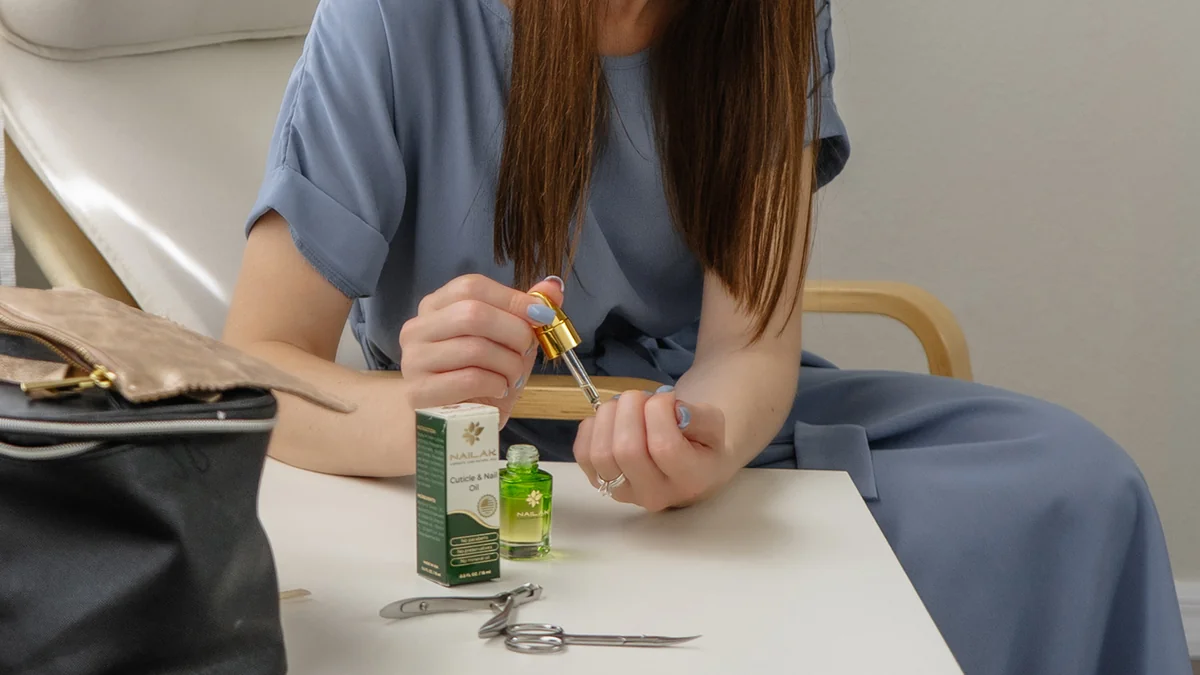
A manicure without cutting cuticles keeps the nail’s natural barrier intact while delivering a polished, healthy look through gentle exfoliation, hydration, and precise technique.
Why skipping cuts is healthier
Cuticles are not cosmetic clutter. They’re a natural seal—a living border (the eponychium) and a thin layer of non-living skin (the cuticle) that protect the matrix where new nail cells form. When you cut that living border, you create tiny doorways for irritation and infection. Your body responds with inflammation and, often, thicker regrowth.
Here’s the secret: when you stop cutting and start caring, your cuticles soften, thin naturally, and become easier to manage. Think of it as barrier-first beauty.
Benefits you’ll notice:
- Less redness and soreness after manicures.
- Smoother polish application near the nail base.
- Fewer hangnails over time.
- A more refined, longer-looking nail plate.
Cutting often “works” for a day. Not cutting works for the long game.
Your no-cut manicure toolkit
You don’t need a suitcase of tools. You need a handful you trust and can keep clean.
Essentials:
- Glass or crystal nail file (fine grit): shapes smoothly and lasts for years.
- Soft orange stick or silicone cuticle pusher: gentle control without scraping.
- Cuticle remover or keratolytic serum: look for urea, lactic acid, or AHAs.
- Thin, flexible buffer (240–320 grit): to gently lift dry non-living tissue.
- Jojoba- or squalane-based cuticle oil: mimics natural sebum and penetrates well.
- Hand cream with ceramides or glycerin: for barrier repair.
- 70% isopropyl alcohol or soap and water: to clean tools and nails.
- Base coat, color, and quick-dry top coat (or a sheer perfector) to finish.
Nice-to-haves:
- PHA cuticle exfoliator (gluconolactone) for sensitive skin types.
- Peel-off barrier for polish cleanup.
- A soft nail brush for gentle cleansing.
Skip:
- Aggressive metal scrapers.
- Coarse buffers that thin the nail.
- Frequent water soaks that swell the nail plate.
Prep that protects
The best manicures begin before color touches the nail.
- Wash, don’t soak. Water swells nails and sets you up for post-manicure chipping. A 30–60 second lukewarm rinse with mild soap is enough.
- Degrease lightly. Wipe nails with a small amount of alcohol on a lint-free pad. This improves adhesion without stripping everything dry.
- Apply cuticle remover strategically. Place a thin line only where the dry, translucent tissue clings to the nail plate. Avoid the pink, living eponychium.
- Wait the label’s full time. Usually 30–60 seconds. Let chemistry loosen the bonds so you don’t need force.
- Gently push back. Use a rounded pusher to nudge the cuticle from the plate. If you see a thin “film” rolling up, that’s non-living keratin—okay to remove.
- Neutralize if needed. Some removers require rinsing. Follow directions so you don’t over-exfoliate.
H3: Quick tips for busy days
- Work one hand at a time to keep timing exact.
- Keep a cotton swab nearby to remove excess remover from skin.
- If anything stings, rinse immediately and switch to a gentler formula.
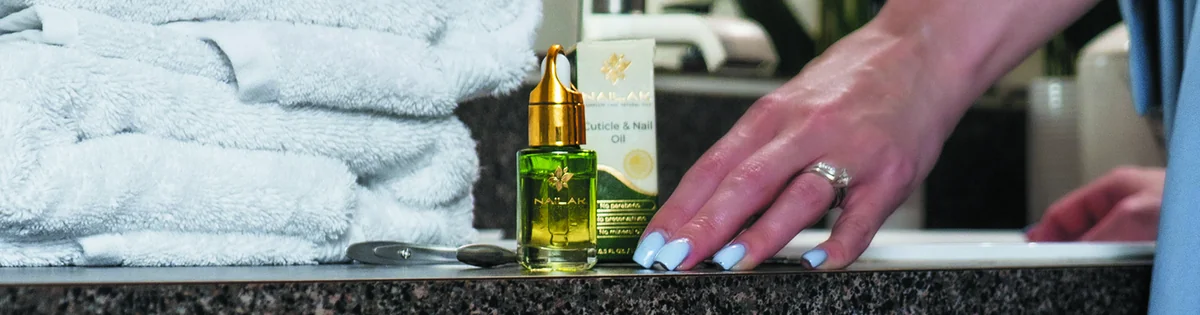
The step-by-step no-cut manicure
Here’s a smooth, 20–25 minute route to a manicure without cutting cuticles.
- Shape dry nails.
- File in one direction using the side of a glass file.
- Keep the file at a slight angle under the free edge to prevent splitting.
- Choose soft-square or oval for the strongest wear.
- Clean the canvas.
- Wash briefly and dry thoroughly, including sidewalls.
- Wipe with alcohol to remove oils and lint.
- Soften the non-living cuticle.
- Apply remover only on the translucent tissue hugging the plate.
- Wait as directed. This is key.
- Lift, don’t scrape.
- Use a gentle pusher to roll that lifted film off the plate.
- If your pusher is leaving scratches, it’s too firm. Switch to wood or silicone.
- Buff with restraint.
- Use a 240–320 grit buffer in tiny, feathery motions on the nail’s perimeter.
- You’re polishing away residue, not thinning the nail.
- Address hangnails the right way.
- If a true hangnail sticks out, you can trim just that tiny, non-living snag with sharp nippers.
- Do not cut attached, pink, or tender tissue. Moisturize instead.
- Rebalance hydration.
- Massage a drop of oil around each nail. Wait a minute.
- Then wipe the nail plate only (not the surrounding skin) with alcohol so polish adheres.
- Prime and polish.
- Apply a thin base coat, capping the free edge.
- Apply 1–2 thin color coats, keeping a hairline gap at the base for a clean outline.
- Finish with a quick-dry top coat, capping the edge.
- Feed the frame.
- Once dry, add another drop of oil and a whisper of hand cream.
- Reapply oil nightly for a week for best results.
- Protect daily.
- Wear gloves for dishes and cleaning.
- Use SPF on hands to prevent photoaging and yellowing.
Common mistakes to skip:
- Pushing hard or fast. If it doesn’t release, it’s not ready.
- Filing after a long soak. Wet keratin tears easily.
- Flooding polish into the cuticle line. Keep the brush 1 mm away for a salon-fresh edge.
Exfoliation the smart way
Chemical exfoliants do the trimming for you—without the trauma.
Ingredient guide:
- Urea 10–20%: powerful keratolytic that hydrates and softens tough cuticles.
- Lactic acid 5–12% (AHA): dissolves bonds between dead cells, gentle and hydrating.
- Gluconolactone 5–10% (PHA): ideal for sensitive skin; slower but low sting.
- Salicylic acid 0.5–2% (BHA): useful around sidewalls for buildup, but avoid irritated skin.
How to use:
- Once or twice weekly, apply a thin layer of your chosen exfoliant to the cuticle area.
- Leave on per directions. Wipe away or rinse.
- Follow with oil to buffer and condition.
Signs you’re overdoing it:
- Persistent redness or tenderness.
- Flaking that extends beyond the cuticle line.
- Increased hangnails week over week.
Back off, increase moisture, and give it time. Cuticles remodel beautifully with consistency.
Seal, polish, and protect
A no-cut manicure still deserves that seamless, close-to-the-cuticle look.
H3: The polish plan
- Base coat matters. Ridge-filling formulas level minor imperfections without heavy buffing.
- Work in whisper-thin layers. Two thin coats outlast one thick one.
- Cap the free edge. It slows chipping, especially on keyboards and keys.
H3: Oil timing
- Oil before bed every night for seven days post-manicure.
- During the day, apply a drop, press it in, then rub excess onto knuckles to avoid greasiness.
H3: Sun and heat Hands see more UV than we think—driving, scrolling, even under some gel lamps. Prioritize SPF on the backs of hands to prevent spots and keep nails looking bright. K-beauty compact-style SPFs make reapplication chic; recent reviews even celebrate elegant on-the-go packaging that encourages daily use, which is exactly what hands need. (source: https://beautyfindsforme.com/2024/04/15/vt-essence-sun-pact-spf50-pa-review/)
H3: Wear and repair
- Chip on day three? Lightly file the lifted area, add a thin coat of color, then top coat.
- Dull shine? A “dry oil” drop and a buff with a soft cloth refresh gloss fast.
Salon chats and hygiene
You can absolutely request a manicure without cutting cuticles at a salon. The key is clear communication.
What to say at check-in:
- “I prefer no cutting of living cuticle—only gentle remover and pushing.”
- “Please avoid trimming unless it’s a true hangnail.”
- “I like a dry manicure with minimal soaking.”
What to look for:
- Freshly sanitized metal tools and disposable files/buffers.
- Controlled pressure with pushers—no scraping or sawing motions.
- Polish applied with a micro-gap at the base, not flooding the skin.
Red flags:
- Aggressive “Russian” style cutting on living tissue if you didn’t ask for it.
- Reusing files or buffers between clients.
- Burning sensations from removers that aren’t rinsed or neutralized.
At-home hygiene essentials:
- Wash glass files with soap and hot water; pat dry.
- Wipe pushers and nippers with 70% alcohol; air-dry before storage.
- Don’t share tools; even tiny nicks can transmit bacteria.
If your cuticles are chronically inflamed, pause manicures, moisturize generously, and consider a check-in with a dermatologist. Healthy first, pretty next.
Gentle routines that change everything
Small, consistent rituals beat heroic fixes. Here’s how to sustain the results of a manicure without cutting cuticles.
Weekly rhythm:
- One full manicure day.
- One midweek refresh: oil, light push, hand cream.
- Nightly oil in a bedside basket.
Ingredients worth loving:
- Jojoba oil: closest to natural sebum; sinks in fast.
- Squalane: featherweight, non-greasy.
- Shea + ceramides: rebuild barrier and soften rough spots.
Shade strategy:
- Sheers and milky pinks hide micro-chips.
- Deeper tones look sharp when your cuticle line is clean—no cutting required.
- If you’re prone to peeling, wear a strengthening base with phospholipids or hydrolyzed keratin under even bare nails.
H3: Four actionable wins
- Keep a mini oil pen in your bag and reapply while waiting in lines.
- Wear dish gloves every single time. Zero exceptions.
- File nails at the first snag to prevent tears and hangnails.
- Set a 10-minute “hands check” on Sunday nights to reset your routine.
Your hands, your ritual
There’s a quiet confidence in hands that look cared for, not forced into submission. A manicure without cutting cuticles respects biology and honors how you move through a week—typing, touching, making, mothering yourself in small ways. It says you don’t need to take a blade to feel polished. You need intention, softness, and a few practiced motions.
The glow on your nails is lovely. But the bigger win is how you got there—choosing kindness over struggle, consistency over extremes. That’s self-care that lasts. And every time your fingertips catch the light, you’ll remember: gentle can still be powerful.
Frequently Asked Questions (FAQ)
Q: Is a manicure without cutting cuticles really clean-looking? A: Yes. When you dissolve and lift non-living tissue, then polish with a tiny gap at the base, the finish looks crisp and intentional—often cleaner than after cutting, because there’s no swelling or ragged regrowth.
Q: How often should I do this type of manicure? A: Every 7–10 days works for most. In between, maintain with nightly oil and a quick midweek nudge of the cuticle back after a shower—no remover needed.
Q: Which cuticle removers are best for sensitive skin? A: Look for formulas with urea 10–15% or PHAs like gluconolactone. They soften without stinging. Avoid high-fragrance gels and always rinse per directions.
Q: Can I get a gel manicure without cutting cuticles? A: Absolutely. Ask for a dry prep, chemical softening of non-living tissue, and a gentle push-back. Proper gel application needs a clean plate, not cut living skin.
Q: Why does polish flood my cuticle line if I don’t cut? A: It’s usually pressure and brush angle, not the skin. Wipe excess polish from the brush, float the bead 1 mm from the base, and let surface tension form a clean curve. A ridge-filling base also helps control spread.
Estimated word count: 1970