
How to Stop Hangnails: A Dermatologist-Backed Guide
The first time a hangnail split my morning in two, I was in an airport café juggling a cappuccino, a boarding pass, and the soft strap of a weekender bag. My thumb brushed the zipper and snagged. That tiny scrap of skin sent a clean sting up my finger like a sharp whisper. It was nothing and it was everything—one distracted moment, one little tear, and suddenly I was hunting for a tissue and wincing with every sip.
You know the moment. The snag when you pull on tights. The burn when hand sanitizer kisses raw skin. The way you promise yourself this time you won’t pick, and then a meeting runs long, your mind wanders, and—there it is—the quiet satisfaction of pulling something that only makes it worse.
Hangnails are small, but they have a talent for creating outsized annoyance. They show up when your hands are already doing the most: winter errands, dishwashing marathons, weekend gardening, endless typing. They hurt more than they should because they’re right where you live—at the edges of everything you touch.
But here’s the secret: learning how to stop hangnails isn’t about one miracle balm, one perfect manicure, or a single dramatic change. It’s about the gentle ritual you repeat. The tiny choices you stitch into ordinary days. Moisturizing after a sink of dishes. Softening cuticles before a careful trim. Switching to a soap that’s kinder to your skin. Grabbing cotton gloves for the night. It’s the kind of care that doesn’t demand applause but returns you to yourself, one fingertip at a time.
Picture this: You step out of the shower, pause for ten seconds to glide a cuticle oil along each nail, press in a velvety hand cream, and slide a ring back onto a hand that looks cared for. You can almost feel the smoothness before you see it. There’s confidence in that small ritual. And yes—the next time your hand brushes a zipper, it won’t fight back.

Quick Summary: To stop hangnails, hydrate consistently, handle cuticles gently, protect hands from irritation, and build small, repeatable habits that strengthen your nail-skin barrier.
Why hangnails happen
Let’s get honest about the “why” so you can target the “how.”
- Dryness is the primary culprit. Cold weather, frequent washing, and air travel sap moisture fast.
- Harsh soaps and sanitizers strip protective oils and weaken the skin rim around nails.
- Aggressive cuticle cutting leaves tiny tears that evolve into hangnails.
- Mechanical friction—keyboards, gardening, workouts—creates micro-snags.
- Nutrient gaps or dehydration can reflect in brittle nails and fragile surrounding skin.
- Gel and acrylic manicures, when rushed or removed improperly, can irritate cuticles.
Think of the skin and cuticle edge as a seal. When it’s intact, it’s supple and protective. When it’s cracked, bacteria and irritants sneak in. Our goal: keep that seal flexible, nourished, and respected.
A daily routine to stop hangnails
Consistency beats intensity. Here’s a simple routine that fits into busy days.
Morning: protect and prep
- Wash with a gentle, fragrance-free hand wash. Look for glycerin or aloe.
- While hands are still slightly damp, apply a light cream with ceramides.
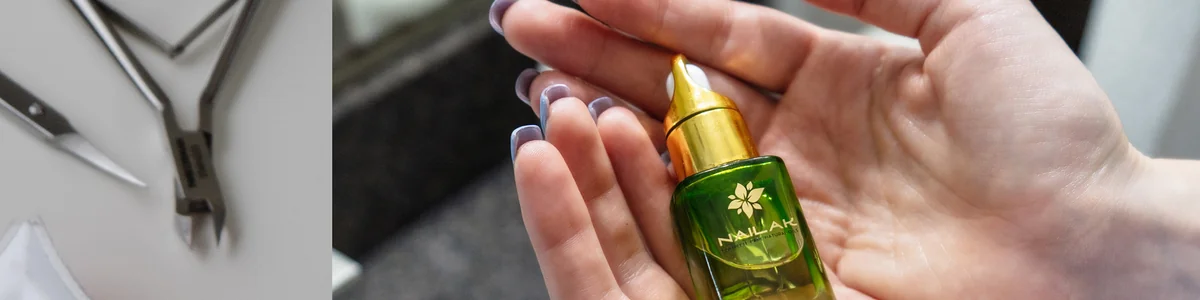
- Seal nail edges with a few drops of cuticle oil. Jojoba, squalane, or sweet almond work well.
- If you’ll be outdoors, finish with sunscreen on the backs of hands.
Tiny move, big payoff: Massage cuticle oil into the sidewalls of each nail. That’s where hangnails tend to start.
Midday: maintain the seal
- After every wash or sanitizer, reapply a dab of cream.
- Keep a travel-size cuticle balm in your bag or desk drawer.
- If you type a lot, take a 30-second stretch break to reduce friction and dryness.
Pro tip: Use a sanitizer that includes glycerin if you sanitize often.
Evening: repair and strengthen
- Soak hands in lukewarm water for 3 minutes. Optional: add a drop of gentle soap.
- Pat dry and apply a richer hand cream with shea butter or petrolatum.
- Glide a thicker oil or balm along the nail folds to lock moisture in.
- Slip on breathable cotton gloves for 20 minutes or overnight.
Optional once weekly: Use a gentle cuticle exfoliant with low-dose lactic or glycolic acid to smooth rough edges. Follow with oil immediately.
Trim, don’t tear: cuticle-safe techniques
Stopping hangnails often comes down to technique. The right moves prevent tiny tears that spiral into pain.
Soften first
- Shower or soak for a few minutes before trimming.
- Apply cuticle softener or a dollop of thick cream and wait two minutes.
Push, don’t cut the living cuticle
- Use a silicone or wooden pusher to nudge back softened cuticles.
- Focus on removing only the translucent, non-living excess. Never cut into living tissue.
Clip only what’s lifted
- If a hangnail has already lifted, use sharp, sanitized cuticle nippers.
- Place blades parallel to the skin and nib off the loose tip in tiny bites.
- Don’t pull. Don’t rip. Stop as soon as it’s flush with the skin.
Finish with a seal
- Tap on a drop of cuticle oil, then a smear of occlusive balm.
- If the area looks raw, add a liquid bandage to protect while it heals.
Sanitation matters. Wipe tools with 70% isopropyl alcohol before and after use. Change nail files often. If you get frequent hangnails, switch to a soft glass file to reduce micro-frays at the nail edge.
Feed your nails from within
Skin and nail edges reflect your internal care. You don’t need a supplement spree, but a few smart choices help.
- Hydration: Aim for steady water intake through the day. Herbal tea counts.
- Protein: Nails are keratin. Include eggs, legumes, tofu, fish, or lean meats regularly.
- Fats: Omega-3s from salmon, walnuts, chia, or flax support supple skin.
- Micronutrients: Iron, zinc, and vitamin C assist collagen and healing. Think leafy greens, citrus, beans, and berries.
- Biotin: Helpful if you’re deficient, but not a cure-all. If you try it, inform your doctor, as biotin can affect lab tests.
If your nails or skin change suddenly—brittle nails, peeling, or frequent hangnails—consider discussing labs with a clinician. Sometimes, correcting a mild deficiency makes a visible difference.
Lifestyle shifts that make a difference
Daily life can be rough on the delicate nail fold. A few practical tweaks reduce friction and dryness.
- Wear gloves for dishes and cleaning. Heat and detergent are harsh.
- Swap to a gentler soap at every sink you use regularly.
- Keep a balm by the bed, the kitchen sink, and in your tote.
- Use a humidifier in winter or if you work in heated offices.
- During workouts, wash promptly and moisturize post-cleanse.
- Traveling? Airplane cabins are dry. Oil your cuticles mid-flight.
Mid-season style refreshes often bring fabric shifts—cozy wools to airy linens—and with them, new textures against our hands. A recent spring edit highlighted the joy of linen even in chilly weather, a reminder that seasonal change sneaks in early. Consider pairing those lighter layers with a slightly richer hand care routine to offset wind and fluctuating humidity. (source: https://www.barelytherebeauty.com/2023/03/spring-style-finds-2023.html)
Nail services done right
- Ask your manicurist not to cut living cuticle. Request gentle pushing instead.
- If you get gel or acrylics, ensure careful soak-off or gentle e-file removal.
- Schedule a “recovery week” every few months. Go polish-free with daily oiling.
Breaking the picking habit
Let’s be honest: picking is a stress reflex. Replace it, don’t just resist it.
- Keep a fidget ring or smooth worry stone nearby.
- Apply a citrus-scented balm. The sensory cue reminds you to stop.
- Cover a tempting edge with a liquid bandage until it heals.
Ingredient spotlight for hangnail prevention
Not all hand products are equal. Look for barrier-loving formulas and pair them wisely.
- Glycerin: Attracts water. Great for frequent use after washing.
- Urea (5–10%): Softens rough skin and improves flexibility.
- Lactic acid (low strength): Gently refines dry edges weekly.
- Ceramides: Rebuild the skin’s barrier with repeated use.
- Petrolatum or lanolin: Locks moisture in. Ideal overnight.
- Jojoba, squalane, or sweet almond oil: Mimic skin’s natural lipids.
- Shea butter: Cushions and soothes. Perfect for bedtime.
How to layer:
- After washing, pat hands slightly damp.
- Apply a humectant-rich lotion (glycerin, hyaluronic acid).
- Seal with an occlusive on the nail folds and knuckles.
- Spot-treat stubborn dryness with 5% urea at night.
If fragrances irritate you, choose fragrance-free formulas. The skin at your nail edges is sensitive.
What to do when a hangnail hurts now
You’ve got one. It’s angry. Here’s a calm, safe plan.
- Soften: Soak the fingertip in warm water for 3 minutes.
- Sanitize: Clean your nippers with alcohol.
- Clip: Snip only the lifted piece. No tugging.
- Cleanse: Rinse with saline or gentle soap and water.
- Protect: Dab on an antibiotic ointment if the skin is broken.
- Seal: Add liquid bandage or a breathable bandage.
- Soothe: Oil and balm the surrounding skin twice daily.
Watch for signs of infection: spreading redness, throbbing pain, warmth, or pus. If they appear, or if you have diabetes or a compromised immune system, contact a healthcare provider promptly.
Four actionable habits to stop hangnails
- Moisturize after every wash. Keep mini creams in your bag and car.
- Switch to gentle soaps. Choose glycerin-rich, fragrance-free formulas.
- Clip, don’t rip. Only remove what’s lifted, after softening.
- Wear gloves for chores. Heat and detergents are hangnail accelerants.
Bonus: Sleep in cotton gloves once or twice a week with thick balm. You’ll wake to soft, calm edges.
When to seek extra help
If you do “everything right” and still get frequent, painful hangnails, it’s worth digging deeper.
- Possible irritant dermatitis from soaps, cleansers, or nail products.
- Undiagnosed eczema or psoriasis around the nails.
- A fungal or bacterial issue at the nail fold.
- Nutrient deficiencies or thyroid shifts.
A dermatologist can tailor a plan: steroid or antibiotic ointments for short-term flares, prescription barrier creams, or patch testing for allergens. Sometimes, a few weeks of targeted care changes the landscape.
Hands as a quiet kind of confidence
There’s something soothing about caring for the edges of our lives. The small seams. The places we overlook until they whisper for help. Learning how to stop hangnails isn’t really about perfection. It’s about tuning into your hands the way you listen to your breath in a busy afternoon.
You moisturize not as a chore, but as a pause. You trim with patience, not urgency. You protect your skin because you’re moving through a demanding world, and your hands meet all of it—keys, dishes, door handles, sweet faces. In these rituals, confidence grows soft and steady. You feel more like yourself, not because your nails are flawless, but because you cared for the parts that carry you.
Let your routine be a gentle promise: I’ll look after the details. The rest tends to follow.
Frequently Asked Questions (FAQ)
Q: What’s the fastest way to stop a hangnail from getting worse? A: Soften it in warm water, sanitize your nippers, clip only the lifted piece, then seal with oil and a protective balm. Avoid pulling or picking to prevent tearing and infection.
Q: Which oils work best for preventing hangnails? A: Jojoba and squalane absorb quickly and mimic skin’s natural oils. Sweet almond adds cushion. Use oil after washing, then lock it in with a cream or balm.
Q: Is it safe to cut cuticles to prevent hangnails? A: Don’t cut living cuticle. Push it back gently after softening and remove only the dry, lifted bits. Cutting live tissue invites tears, hangnails, and infection.
Q: How can I stop hangnails in cold weather? A: Increase hydration, switch to richer creams with ceramides and shea, use a humidifier, wear gloves outdoors and for chores, and oil cuticles after every wash.
Q: Do gel or acrylic nails cause more hangnails? A: They can if removal is harsh or cuticles are overworked. Ask for gentle pushing instead of cutting, moisturize daily, and schedule polish breaks to let the skin recover.
Estimated word count: 1980