
Hangnail Treatment at Home: Gentle, Effective Guide
It starts with the smallest sting. You’re shrugging into a soft cardigan before heading out, thinking about coffee and a full to-do list. Then your sleeve catches on something at your fingertip. A whisper of fabric pulls. The snag becomes a twinge. And there it is: a tiny hangnail, announcing itself like a splinter of irritation in an otherwise smooth morning.
You try to ignore it. But the little flap of skin keeps finding things—your tote strap, the sealed edge of a granola bar, the seam of your pocket. You can almost hear the snag each time, feel that tender zing. In the kitchen light, the skin around your nail looks a bit dry. Maybe last night’s dishwashing, maybe the cooler air lately, maybe all the handwashing and sanitizing that’s become routine. It’s not a crisis. But suddenly, a tiny hangnail is the loudest thing in the room.
There’s a moment when you consider just pulling it. We’ve all been there. Quick fix, quick regret. You picture the sharp, instant sting and the angry redness that follows. Instead, you take a breath, find your little tin of cuticle balm, and press the buttery formula into the dry edges. You feel it melt in, soft and warm. A small ritual, but a steadying one.
You remember other small rituals, too—your grandmother keeping a palm-sized pair of manicure nippers in a velvet case, your friend’s rule for never cutting her cuticles, the nail tech who told you jojoba oil mimics the skin’s natural sebum. These little pieces of wisdom float up when you need them. You turn the faucet to lukewarm and rinse your hands, patting them dry with a clean towel. Then, with a steadier mind and a better plan, you begin.
Here’s the truth: A hangnail asks you to slow down. To tend, not to tear. To pick up the quiet tools of care—warm water, clean nippers, a forgiving salve—and give your fingers the gentleness they’ve been asking for. Hangnail treatment at home isn’t just a fix. It’s a practice that protects your skin barrier, reduces irritation, and lets you get back to your day without that constant, tender hum.
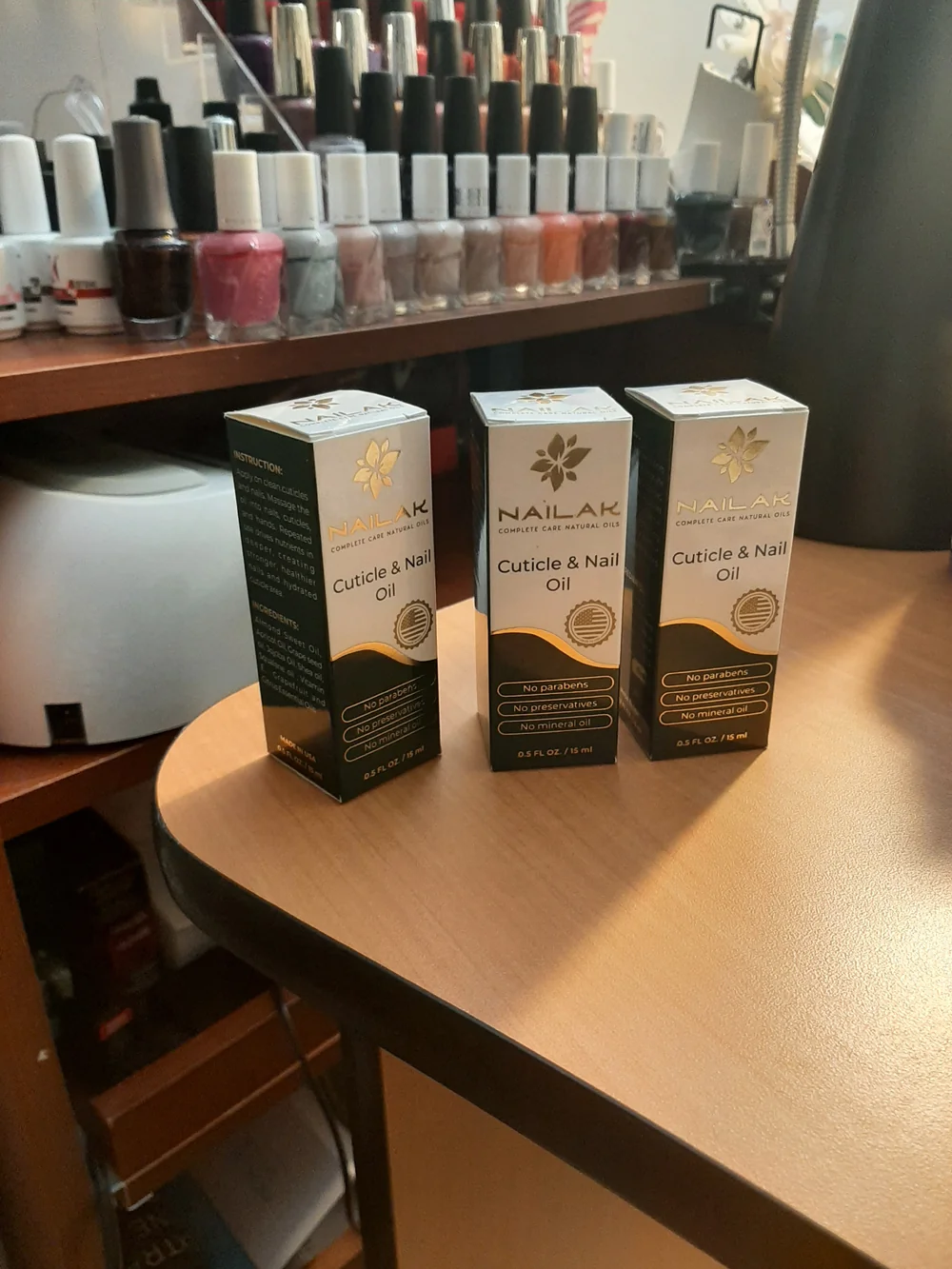
Quick Summary: A safe, effective hangnail treatment at home combines clean trimming, soothing hydration, and barrier repair—plus simple daily habits to prevent new snags.
What causes hangnails?
Let’s demystify the little culprits. A hangnail is a small piece of torn skin next to your nail. It’s not the nail itself. It often forms where the eponychium—the living skin at your nail fold—meets the dry, dead cuticle tissue on the nail plate.
Common triggers:
- Dryness and frequent handwashing that strip natural oils.
- Cold, low-humidity air that dehydrates skin.
- Irritants and detergents (like dish soap without gloves).
- Picking, biting, or over-trimming cuticles.
- Harsh salon removers or acetone-heavy routines without replenishing moisture.
- Friction from textiles and paper (office life, we see you).
Under the surface, it’s about the skin barrier. When the outermost layer (the stratum corneum) loses lipids and water, it becomes brittle and more likely to tear. That tiny tear creates a flap. That flap snags. And the cycle starts.
There’s also anatomy at play:
- Cuticle: the thin, dead skin on the nail plate that seals the gap between nail and living skin. It prevents moisture loss and keeps microbes out.
- Eponychium: the living skin at the base of your nail (what many people mistakenly “cut”). It’s protective tissue. Don’t remove it.
When either is compromised, hangnails happen. The fix? Rehydrate, protect, and be precise with trimming only the lifted, dead skin. Everything else stays.
Safety first: when not to DIY
Hangnail treatment at home works beautifully for small, clean tears. But there are clear moments when you should skip DIY and see a professional or clinician.
Pause home care and seek help if you notice:
- Spreading redness, warmth, or throbbing pain.
- Pus, streaks, or significant swelling.
- A fever or red lines moving up the finger (signs of infection).
- Deep tears that expose raw tissue or bleed heavily.
Exercise extra caution if you’re immunocompromised, have diabetes, or have poor circulation in your hands. The skin around your nails is vulnerable to infection (paronychia). It’s better to be conservative and ask a professional than to push through with at-home tools.
Hygiene matters. Always.
- Wash hands before and after you treat a hangnail.
- Disinfect tools with 70% isopropyl alcohol and let them air dry.
- Use clean cotton, gauze, and applicators.
- Avoid sharing tools with others.
Care goes beyond aesthetics here. You’re preventing micro-tears from becoming a bigger issue.
Step-by-step hangnail treatment at home
Here’s your calm, clear protocol to treat a hangnail safely and comfortably.
Tools you’ll want:
- Clean, sharp cuticle nippers or nail scissors.
- 70% isopropyl alcohol and tissue/cotton.
- Mild hand soap and lukewarm water.
- A rich, fragrance-free balm or ointment (petrolatum, lanolin, or a ceramide-rich salve).
- Optional: a bandage or fingertip dressing, non-stick gauze.
Step-by-step:
Wash and soften
Wash your hands with a gentle soap. Rinse in lukewarm water for 20–30 seconds to soften the skin. Pat dry thoroughly—especially the area you’ll trim.Disinfect your tools
Wipe your nippers or scissors with 70% isopropyl alcohol. Let them air dry a minute. Clean tools reduce risk of infection.Stabilize the skin
Apply a tiny amount of balm around the hangnail to soften edges. This helps you trim precisely without tugging. If the skin is very lifted and dry, a 2–3 minute warm compress works well.Trim—don’t tear
Position the nippers so the flat side hugs the skin. Snip the loose, lifted bit only, as close to the base of the flap as possible, without cutting living tissue. No ripping. No “just a little more.” One clean cut is best.Calm and protect
If there’s a touch of bleeding, press clean gauze for a minute. Then apply a thin layer of a barrier ointment. Petrolatum and lanolin both lock in moisture and protect the area as it heals.Dress if needed
Cover with a small bandage if the area is raw or prone to rubbing. Replace the dressing daily after gentle cleansing.Rehydrate, consistently
For the next 48 hours, reapply balm after every handwash and before bed. You’re not just treating; you’re rebuilding that moisture barrier to prevent a repeat.
A note on antiseptics: Applying alcohol directly to broken skin can sting and further dry. If you need to cleanse the area, soap and water are enough for minor tears. Keep it simple and soothing.
Small ritual, big relief.
A quick trend note: more beauty editors and creators are sharing long-form, barrier-first routines for nails and skin via newsletters and blogs. It’s a sign that thoughtful, ingredient-literate care is having a moment—beyond the quick viral hack. One such creator recently shifted more content to Substack to dive deeper into these topics, reflecting how readers crave nuance and practical steps. (source: https://talontedlex.co.uk/2024/09/04/substack/?utm_source=rss&utm_medium=rss&utm_campaign=substack)

Ingredient spotlight: oils and actives
Ingredients make or break at-home results. A hangnail is a tiny problem, but it responds to the same smart skincare logic we use on our faces: hydrate, replenish lipids, and reinforce the barrier.
Emollients (soften and smooth)
- Jojoba oil: Biologically similar to skin’s sebum; absorbs fast without greasiness.
- Squalane: Lightweight, stable, and great under gloves or polish.
- Shea butter: Rich, cushiony, and ideal for overnight repair.
Occlusives (seal in moisture)
- Petrolatum: Gold-standard occlusive that significantly reduces water loss. A thin layer is plenty.
- Lanolin: Excellent for cracked skin; patch test if you’re sensitive.
- Beeswax: Adds grip to balms and protects in dry climates.
Humectants (pull in water)
- Glycerin: Reliable, gentle, and effective in hand creams.
- Urea (5–10%): Hydrates; at the higher end it’s mildly keratolytic, softening rough cuticles. Avoid on open skin.
- Sodium PCA and hyaluronic acid: Helpful in balanced formulas; seal with an occlusive to prevent evaporation.
Barrier helpers
- Ceramides: Support the lipid matrix of the outer skin layers.
- Cholesterol and fatty acids: Work with ceramides to reinforce the barrier.
Gentle exfoliants for maintenance (not on open skin)
- Lactic acid (around 5% in hand creams): Smooths roughness mid-week. Use on intact skin only.
- Enzyme-based cuticle creams: Soften dry edges without over-stripping.
Caution with cuticle removers
- Many use potassium hydroxide or sodium hydroxide to dissolve dead tissue. Powerful, but easy to overdo. Keep contact brief, follow with an emollient, and never use on broken skin.
Essential oils
- Tea tree, lavender, and others can be sensitizing. If you use them, keep concentrations low and monitor for irritation. Fragrance-free is often best around compromised skin.
The formula sweet spot for hangnails is simple: glycerin-based hand cream by day, petrolatum or lanolin blend at night, and a light oil like jojoba after washing. That trio nourishes, seals, and keeps the area flexible.
Daily habits to prevent hangnails
Prevention is a rhythm. Small actions add up.
Moisturize after every wash.
Keep a travel-size cream by the sink and in your bag. Look for glycerin, squalane, and ceramides. Two pumps, rub over nails and knuckles.Wear gloves for wet work.
Dishes, cleaning, gardening. Moisture and detergents swell then deflate the skin, weakening the barrier. Cotton liners under rubber gloves help if you get clammy.Respect your cuticles.
Don’t cut living tissue. After a warm shower, use a soft pusher or a folded washcloth to gently nudge cuticles back. Trim only lifted hangnails or obvious dead fronds.File, don’t bite.
Keep a fine-grit file nearby to smooth snags before they catch. Biting introduces bacteria and creates ragged edges.Rehydrate after acetone.
If you wear gel or long-wear polish, plan a rehydration session after removal: 10 minutes with jojoba oil, then a petrolatum seal. Acetone is effective but dehydrating.Night repair ritual.
Massage a pea-size dollop of balm into each nail fold before bed. Slip on light cotton gloves if you’re committed. You’ll feel the difference in a week.Mind your environment.
Use a humidifier when indoor heating is on. Avoid blasting hands with hot air dryers. Lukewarm water is kinder.Nutrition and hydration basics.
A balanced diet with enough protein, essential fatty acids, and micronutrients (biotin, zinc, iron) supports nail health. Hydration keeps the skin more supple and resilient.
Three-minute prevention routine:
- After washing, pat dry and apply hand cream.
- Dot jojoba oil across each nail fold and massage for 30 seconds.
- Before bed, seal with a thin layer of petrolatum.
Done.
Manicure moments without the ouch
You can have pretty polish and peaceful cuticles. It’s all about technique and timing.
At-home manicure blueprint:
Start with softness
Soak fingertips in lukewarm water for two minutes or wrap with a warm, damp cloth. Dry thoroughly.Tidy with intention
Use a wooden stick or soft pusher to coax cuticles back. If a hangnail is present, follow the step-by-step trimming guide—no shortcuts.Choose kinder removers
If you use polish frequently, rotate in non-acetone remover between gel sets. Follow immediately with oil and cream.Upgrade your base coat
Try a hydrating base coat with conditioners like panthenol or plant oils. It can reduce brittleness under polish.Practice polish breaks
Give nails 24–48 hour breaks between long-wear manicures. Let oils and balms sink in. That pause prevents the dryness spiral that leads to hangnails.Sanitize every time
Disinfect nippers, scissors, and pushers before each manicure. Dedicate a soft towel to nail care and wash it weekly.Seal edges
When you moisturize, pinch and roll balm into the sidewalls of your nails. Those lateral folds are hangnail hotspots.
Let’s be honest: the loveliest manicure is the one you can live in. No snags, no sting—just smooth edges that slide through sweaters, towels, and tote straps without a second thought.
When hangnails keep coming back
If you’re following careful hangnail treatment at home and still getting frequent tears, look for patterns.
Work environment
Paper handling, frequent sanitizer, or gloves all day? Build micro-routines: apply balm after sanitizing; stash oil at your desk; choose a milder, glycerin-based sanitizer if possible.Skin conditions
Eczema and psoriasis make the skin around nails more fragile. Fragrance-free, ceramide-rich creams help. Consider consulting a dermatologist for targeted strategies.Hidden irritants
Fragranced lotions, citrus essential oils, and certain detergents can inflame nail folds. Switch to gentle, unscented formulas for a few weeks and observe.Tool trouble
Dull nippers tear instead of trim. Replace or sharpen regularly. Always trim the smallest possible amount.Over-exfoliation
Acids and cuticle removers are effective but can thin the protective layer if overused. Scale back. Focus on nourishment.
If you’ve adjusted habits and still see cracked, painful nail folds, schedule a professional consult. Persistent paronychia or chronic inflammation deserves personalized care.
A steady ritual for confidence
There’s a kind of quiet confidence that comes from hands that feel cared for. Not perfect. Cared for. The snag that used to steal your attention becomes a non-event because you have a ritual now: wash, soften, trim, soothe, seal. You give your skin a moment to breathe and bounce back.
Self-care lives in these tiny corners of life—the ones that seem too small to matter, until they do. The next time a hangnail tries to boss your day around, you’ll have your balm, your warm water, and your breath. You’ll have proof that gentleness works. And you’ll move through your morning—cardigan and tote and all—with ease.
Frequently Asked Questions (FAQ)
Q: What’s the fastest hangnail treatment at home?
A: Wash hands, soften the area with warm water, disinfect your nippers, and cleanly snip only the lifted flap. Pat dry, apply a thin layer of petrolatum or lanolin, and bandage if it’s tender. The whole process takes five minutes and prevents that painful snagging cycle.
Q: Should I cut or rip a hangnail?
A: Always cut—never rip. Ripping tears living tissue, increases pain, and raises infection risk. Use clean, sharp nippers and trim just the loose piece. Follow with a soothing, occlusive balm to protect the skin as it heals.
Q: Which oil is best for dry cuticles and hangnails?
A: Jojoba oil is a standout because it closely mimics skin’s natural oils and absorbs quickly. Squalane is lightweight and great for daytime. At night, pair oil with an occlusive like petrolatum to lock in moisture.
Q: Are cuticle removers safe to use regularly?
A: They can be, but go slow. Many removers use strong alkalis that dissolve dead tissue. Limit contact time, use on intact skin only, and follow with a rich moisturizer. If you notice redness or stinging, scale back and focus on hydration.
Q: How do I prevent winter hangnails?
A: Increase moisture at every step: use a humidifier, switch to a glycerin-ceramide hand cream, apply oil after washing, and seal with petrolatum at bedtime. Wear gloves outdoors and for wet chores. These small habits keep the skin flexible and less likely to tear.
Estimated word count: 1980 words.