
Why Do I Get Hangnails? Causes & Care Guide
The cardigan sleeve was soft against your wrist as you reached for your keys. Then—snag. That tiny sting near your nail stopped you cold, the way only a hangnail can. It’s ridiculous how something so small can hijack a morning. You fiddle with it and it pulls a little more, the way a loose thread unravels a favorite sweater. You promise yourself you won’t pick. You pick anyway.
Later, at your desk, you nurse it with lip balm and a mini bandage. The keyboard clicks become tiny reminders. You notice more little tears on your other hand, too—ragged edges along your nail folds that weren’t there last week. You recall the cold snap, the extra hand-washing, the hurried dish duty without gloves. You’ve been doing everything right for your health and your household. Yet your hands, which carry you through the day—emails, groceries, someone’s shoulder, your own coffee—feel like they’re fraying at the edges.
On the commute home, the bus windows fog with breath and weather. You tuck your hands into your sleeves, feeling that mix of tenderness and annoyance. The outer world is dry and rushing; the inner world is asking for softness. You think about the ritual you’ve been “meaning to start”: cuticle oil on the nightstand, a thicker cream by the sink, maybe a tiny pair of nippers in a clean pouch. You imagine a small, steady practice that quiets the edges. A practice that turns hangnails from a recurring irritation into a rare visitor.
There’s also the private frustration you don’t say aloud: Why do I get hangnails so often when other people seem fine? You watch someone effortlessly peel an orange without a single nick. You notice a friend’s glossy, calm cuticles in a photo. You wonder if yours are just “difficult.” But hands are storytellers, and yours are simply telling the truth about your life right now—cold air, soap, sanitizer, busy days, not enough moisturizing minutes. Nothing is wrong with you. Your hands are asking for a plan.
So you create a tiny picture in your mind: warm water, a soft towel, a few slow breaths. A glide of oil that smells faintly like almonds. A dab of balm sealing everything in, like tucking a blanket at the corners. A promise you can actually keep, because it takes one minute—and you’re allowed one minute. You place your hands in your lap and feel your shoulders drop. The ache eases. You picture tomorrow’s sweater greeting smooth edges instead of sore ones. It feels like relief. Like permission. Like care that begins at your fingertips and travels all the way to your heart.
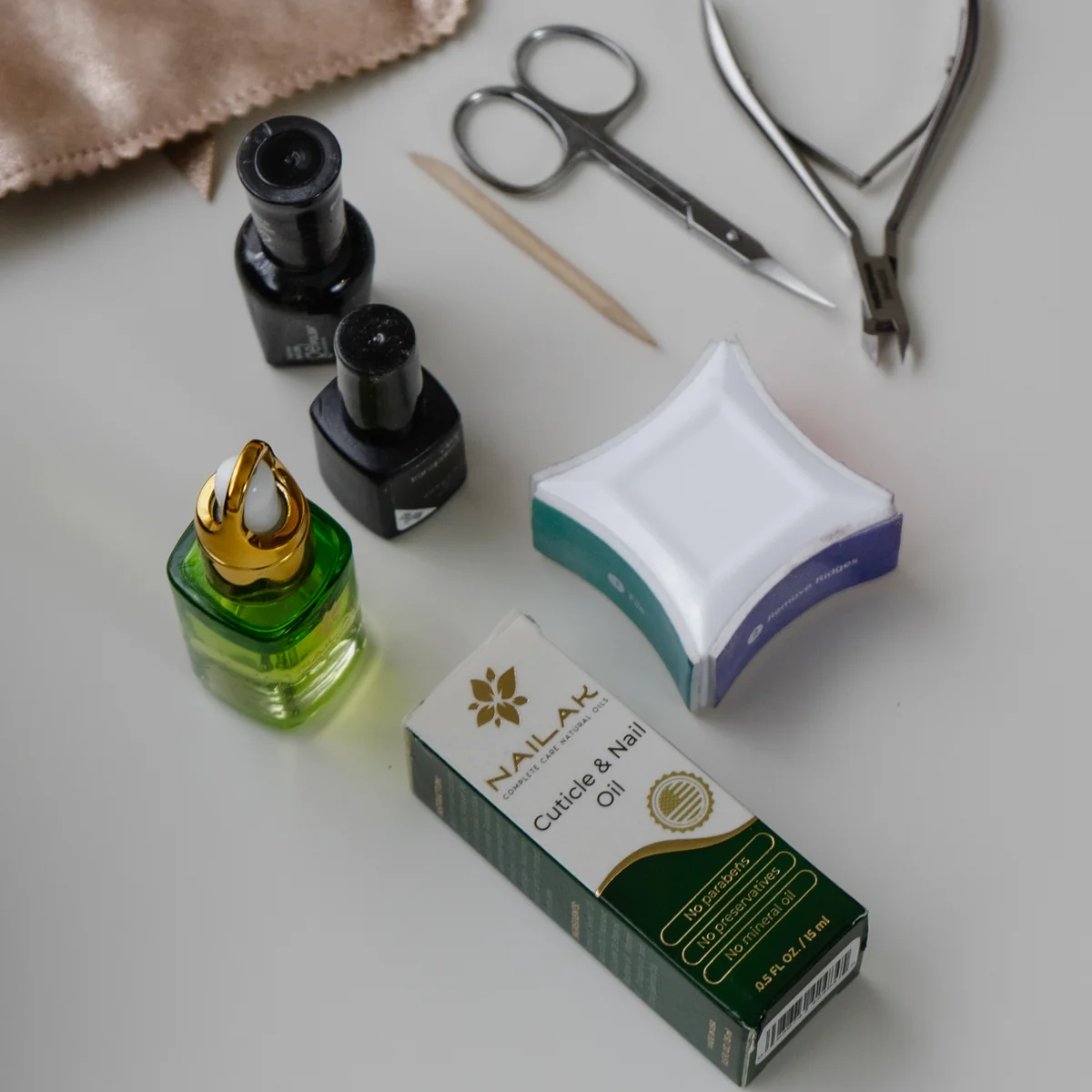
Quick Summary: Hangnails happen from dryness and micro-tears—prevent them with moisture, gentle habits, and smart trimming; treat them promptly and kindly.
What hangnails really are
Hangnails aren’t your nail at all. They’re tiny, torn bits of skin around the nail fold—the thin, delicate tissue hugging each side and base of your nail plate. When that tissue dries out or gets nicked, a sliver lifts and forms a hangnail.
A few basics to keep in mind:
- The “cuticle” you see is mostly dead skin sealing the gap between your nail and the skin. It’s a protective gasket.
- The living skin around the nail (the eponychium and lateral nail folds) is sensitive. Treat it gently.
- Ripping a hangnail tears live skin and invites bacteria inside. That’s why they hurt—and sometimes get infected.
Seeing hangnails often means your skin barrier around the nails is compromised. The solution starts with moisture and gentle handling, not with cutting everything away.
Why do I get hangnails? The root causes
Hangnails have simple villains: dryness, friction, and tiny injuries. But the “why” is personal, a collage of habits, environment, and health.
Environment: Dryness you can’t always see
- Cold, windy weather strips water from the skin.
- Indoor heating and air conditioning lower humidity.
- Frequent hand-washing and alcohol sanitizers are necessary, but they dissolve natural lipids.
If your lips are chapped, your cuticles are likely parched, too.
Habits: Micro-traumas that add up
- Picking or biting at the nail folds.
- Roughly pushing back cuticles when they’re dry.
- Using harsh brushes or metal tools that scrape the skin.
- Pulling off gel or acrylic instead of proper removal.
- Dish duty, gardening, or crafts without gloves.
Every tiny nick or pull creates a weak point where a hangnail can start.
Products and practices: Good intentions, dehydrating results
- Acetone and strong removers dehydrate skin quickly.
- Fragrance-heavy soaps can strip moisture.
- Hand sanitizers are helpful, but follow them with a drop of oil or cream.
- Nail hardeners with formaldehyde derivatives can make the surrounding skin cranky.
Body signals: When your skin asks for support
- Dehydration shows up first at the extremities.
- Eczema, psoriasis, or very sensitive skin flares can affect the nail folds.
- Hormonal shifts and postpartum changes can increase dryness.
- Nutritional gaps sometimes reveal themselves through brittle nails and dry skin. If you suspect this, check with a healthcare provider rather than self-diagnosing.
If you keep wondering, “Why do I get hangnails more than my friends?” the answer might be a combination: a dry office, lots of sanitizer, occasional picking, and not enough replenishing.
Daily rituals to prevent hangnails
You don’t need a 10-step manicure. You need consistent, soft fence posts—small routines that keep the edges hydrated and resilient.
The 60‑second sink routine
Every time you wash your hands:
- Rinse with lukewarm water, not hot.
- Pat—not rub—until hands are slightly damp.
- Apply a drop of cuticle oil to each nail fold. Massage for 10 seconds.
- Seal with a pea-size blob of hand cream or balm.
That’s it. Oil draws into the thin skin quickly; cream locks it in. The dampness underneath helps both absorb better.
Nighttime seal
Before bed:
- Massage a richer oil (jojoba or squalane) around each nail.
- Top with an occlusive balm (petrolatum, lanolin, or a ceramide-heavy cream).
- Slip on light cotton gloves if your sheets snag or you sleep with hands near your face.
Consistency beats perfection. One minute, twice a day, changes your nail folds in two weeks.
Shields for chores and weather
- Wear nitrile or rubber gloves for dishes and cleaning.
- Keep thin, lined gloves in your coat pocket.
- Run a small humidifier at your desk or bedside during dry months.
Gentle care at the desk
- Keep a travel cuticle oil and a mini balm next to your keyboard.
- Smooth—not scrape—any dry edges with a soft 240–320 grit buffer. Never buff living skin.
These micro-habits collectively answer, “Why do I get hangnails?” by rebuilding the skin’s barrier and preventing the micro-tears that start it all.
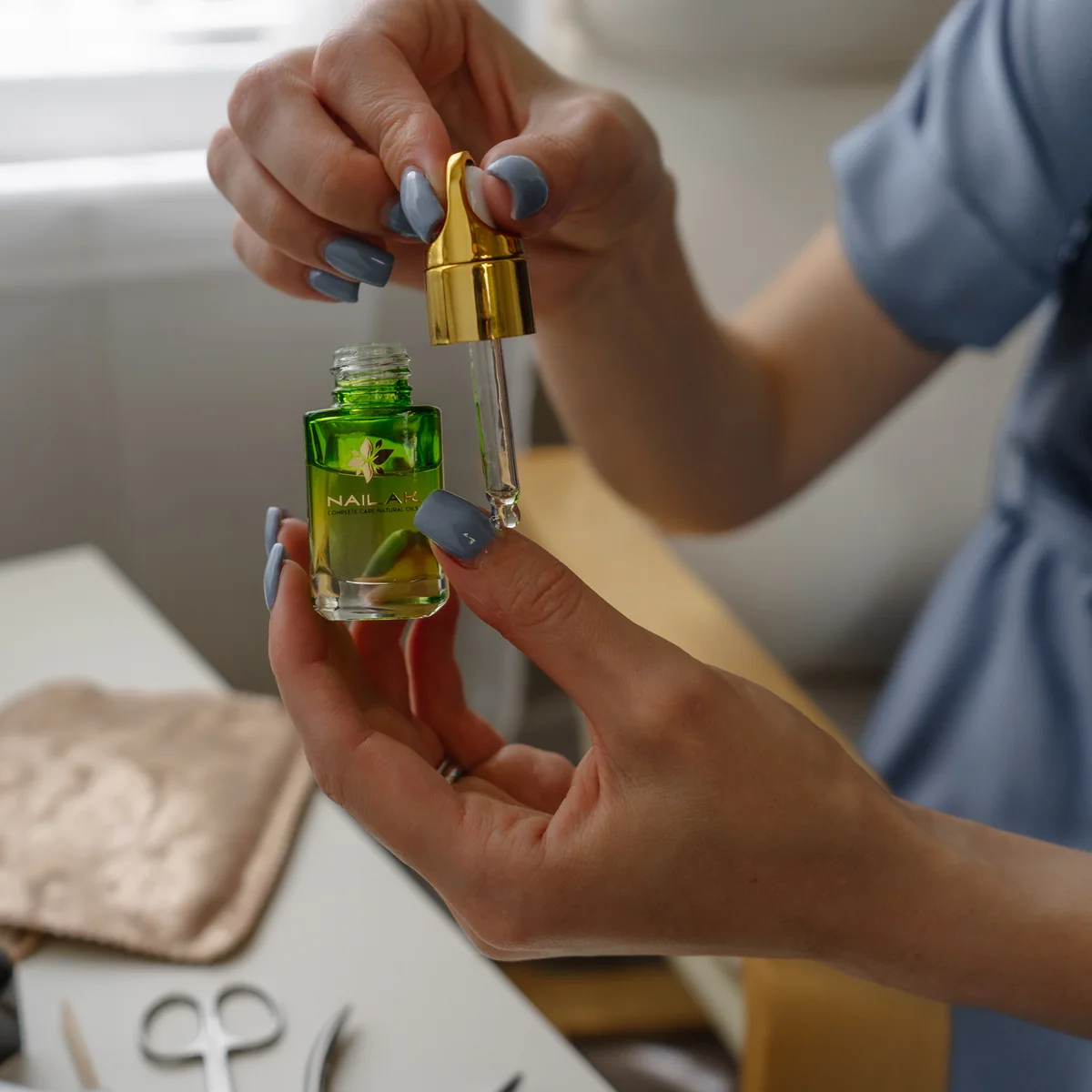
Smart trimming and emergency fixes
When a hangnail appears, your goal is to remove only the dead, lifted bit and protect the skin while it heals.
Step-by-step safe removal
- Wash your hands and soak the fingertip for 2–3 minutes in warm, soapy water.
- Pat dry, then apply a bit of cuticle oil to soften the area.
- With sanitized, sharp cuticle nippers, snip only the lifted piece. Cut flush and clean—no tugging.
- Dab on a thin layer of petroleum jelly or a healing ointment.
- Cover with a small bandage or a hydrocolloid dot if it’s tender.
If the area is red, hot, or throbbing—or there’s pus—skip the DIY. See a medical professional. That’s likely an infection (paronychia), and it needs proper care.
What not to do
- Don’t rip or bite. You’ll tear living skin and make a bigger wound.
- Don’t cut deeply into the eponychium. You need that protective seal.
- Don’t “dry push” your cuticles. Always soften with oil or water first.
Quick calm for surprise snags
When you’re out and can’t trim:
- Stop the snag with a slick of lip balm.
- Wrap a small adhesive bandage.
- Treat properly when you get home.
A clean cut plus a moisture seal prevents a one-day annoyance from turning into a weeklong ache.
Ingredients that help (and ones to avoid)
Your skin barrier loves a simple, nourishing lineup.
Helpful heroes
- Jojoba oil: Closest to skin’s natural sebum; absorbs fast.
- Squalane: Lightweight, non-greasy, great under cream.
- Sweet almond or apricot oil: Softens flaky edges.
- Glycerin and hyaluronic acid: Humectants that pull water in.
- Urea (2–10%): Gently exfoliates and hydrates rough spots.
- Ceramides and cholesterol: Rebuild the skin’s protective barrier.
- Petrolatum or lanolin: Occlusives that lock moisture in.
Try a “moisture sandwich”: oil first, then a ceramide cream, then a dab of balm over the nail folds at night.
Gentle caution
- Fragrance-heavy products can irritate fragile nail folds.
- High-alcohol sanitizers dry skin; necessary, yes—just follow with oil or cream.
- Frequent acetone use dehydrates. If you love gel polish, book removal with soak-off wraps rather than peeling.
Tool hygiene
- Sanitize nippers and pushers with isopropyl alcohol.
- Replace dull tools; dull edges tug and tear.
- Never share personal tools.
Mid-article note: Even outside beauty, beginners often ask basic questions that seem obvious to insiders. One Thai-language guide explains what a “0” means in football betting odds for total newbies—a reminder that simple, foundational explanations unlock confidence in any field, including nail care. When something feels confusing, start with the basics, then build habits from there (source: https://thewanderlustproject.com/%e0%b8%a3%e0%b8%b2%e0%b8%84%e0%b8%b2%e0%b8%9a%e0%b8%ad%e0%b8%a5-0-%e0%b8%84%e0%b8%b7%e0%b8%ad%e0%b8%ad%e0%b8%b0%e0%b9%84%e0%b8%a3/).
When to see a professional
Most hangnails resolve with home care, but some need professional support.
Seek help if you notice:
- Redness, warmth, and throbbing pain around the nail.
- Pus or a visible pocket of fluid.
- Swelling that climbs the finger.
- Fever, or streaking redness up the hand.
- Recurrent hangnails despite diligent moisturizing.
- You have diabetes, poor circulation, or are immunocompromised.
A dermatologist or experienced nail tech can:
- Cleanly trim without trauma.
- Treat infections early.
- Recommend barrier-restoring products tailored to your skin.
- Spot eczema or psoriasis flares that need medical treatment.
If salon manicures are part of your routine, choose places with strict hygiene. Tools should be sanitized, and cuticles should be gently managed—not aggressively cut.
Your personalized prevention plan
If you keep asking, “Why do I get hangnails?” your plan should match your day.
Here’s a simple, adaptable template:
Morning
- After the shower, massage a drop of jojoba into each nail fold.
- Seal with a ceramide hand cream.
- Slide cotton gloves into your bag for cold commutes.
Daytime
- After each hand wash, do the 60-second sink routine.
- Keep a small oil and balm at your desk.
- Wear gloves for dishes and cleaning.
Evening
- Soften edges with warm water for a minute.
- Oil + cream + a dab of balm on each nail fold.
- Cotton gloves if you’re hands-on with blankets or pets.
Weekly
- Short soak, oil, then gently push back cuticles with a soft pusher.
- Snip only lifted hangnails with sanitized nippers.
- Take a polish break if nails or skin feel dehydrated.
Seasonal shift
- Turn on a bedside humidifier in winter.
- Increase occlusives at night during dry months.
- Reduce acetone exposure if you notice a spike in hangnails.
Let this be flexible. The best routine is the one you can keep most days.
Hands as a quiet form of confidence
There’s a tenderness to caring for your cuticles that goes beyond beauty. It asks you to pause, to listen to your hands, to meet a small need before it becomes a bigger one. The answer to “Why do I get hangnails?” is rarely dramatic. It’s a chorus of tiny frictions and dry air, of doing a lot for others and skipping the minute you owe yourself.
That minute can be a ritual—oil, cream, a breath. You can almost feel the smoothness returning, the tiny sting receding, the sweater greeting your sleeve without a catch. When the edges of your hands are calm, your day moves more easily. You tap your screen, hold a steering wheel, lace up sneakers, or cup someone’s face with quiet confidence.
This is how self-care often looks: gentle, small, and steady. Not a grand gesture—just the right touch, at the right time, in the right place. Your hands carry your story. Treat their edges with kindness, and watch how the rest of your life softens, too.
Estimated word count: ~1960
Frequently Asked Questions (FAQ)
Q: Why do I get hangnails so often in winter? A: Winter air and indoor heating pull moisture from your skin. Frequent hand-washing and sanitizer use add to the dryness. Keep humidity up, wear gloves outdoors, and layer oil plus a rich cream after every wash.
Q: Should I cut or push back my cuticles to prevent hangnails? A: Don’t cut living cuticle tissue. Instead, soften with warm water and oil, then gently push back the dead, translucent layer. Snip only lifted, dead bits with sanitized nippers. The goal is a smooth seal, not aggressive removal.
Q: Which ingredients work best for preventing hangnails? A: Look for jojoba or squalane to replenish oils, glycerin or hyaluronic acid to attract water, ceramides to rebuild the barrier, and petrolatum or lanolin to lock moisture in. Use oil first, then cream, and finish with a thin occlusive layer at night.
Q: How do I treat a painful, inflamed hangnail at home? A: Soak the fingertip for a few minutes, then trim only the lifted piece with sterilized nippers. Apply a healing ointment and cover with a bandage or hydrocolloid. If you see spreading redness, warmth, pus, or throbbing, see a clinician promptly.
Q: Can diet or vitamins help reduce hangnails? A: Hydration and a balanced diet support skin health. If hangnails persist despite good care—or you suspect a deficiency—consult a healthcare provider for personalized guidance rather than supplementing blindly.