
Cuticles Cracked and Painful? Soothe, Heal, Protect
The mug was warm against your palms, steam clouding the window where morning light spilled across the counter. You tried to enjoy the quiet—just five minutes before messages and meetings—when a sting pulsed at the edge of your thumbnail. It was small, a sliver of skin snagged on a knit sleeve, yet somehow it felt like your whole hand was throbbing in protest.
You put the mug down. There it was: a ragged, reddened cuticle that had seemed fine yesterday. You remember washing dishes late, the hot water turning your rings silvery and your hands chalky. You remember the pump of sanitizer at the grocery store and the rush to remove chipped polish with a quick swipe of remover. It all added up. And now, that paper-thin border of skin that keeps your nails protected had a tiny opening—and it hurt.
If you’ve ever caught a hangnail on the zipper of your purse or felt a sharp pinch when you type, you know this kind of pain is wildly disproportionate to its size. It’s not just the sting. It’s how it lingers through the simplest tasks—buttoning a shirt, buckling a shoe, fishing a key from your pocket. There’s embarrassment, too. You tuck your hands in your sleeves during a handshake. You fiddle with your ring to hide the edges. You wonder how something so small can derail your day.
Let’s be honest: our hands keep the score. They brave the weather before our faces do. They rinse, scrub, fold, lift, and scroll without a break. When your cuticles are cracked and painful, it’s your skin’s way of asking for a boundary. A pause. Some softness. The solution isn’t complicated or expensive. It’s a shift—from stripping to supporting, from frantic fixes to steady care.
You can almost feel the difference when it’s right. Warm water loosens the tightness. A bead of balm melts and turns glossy. You press it in and the skin drinks, your cuticles going from sticky-dry to satiny within seconds. A breathable bandage eases the catch on fabric. The stinging eases. You start to recognize this as a ritual—one that fits into a day already full of rituals: coffee, SPF, a midday stretch, a call with a friend. Care doesn’t have to be dramatic to be meaningful.
If your cuticles are cracked and painful today, you’re in the right place. Ahead: gentle first aid, a protective routine, ingredient intel, and small habits that keep your nails happier for the long run. Most of all, permission to slow down—because comfort is a worthy goal.
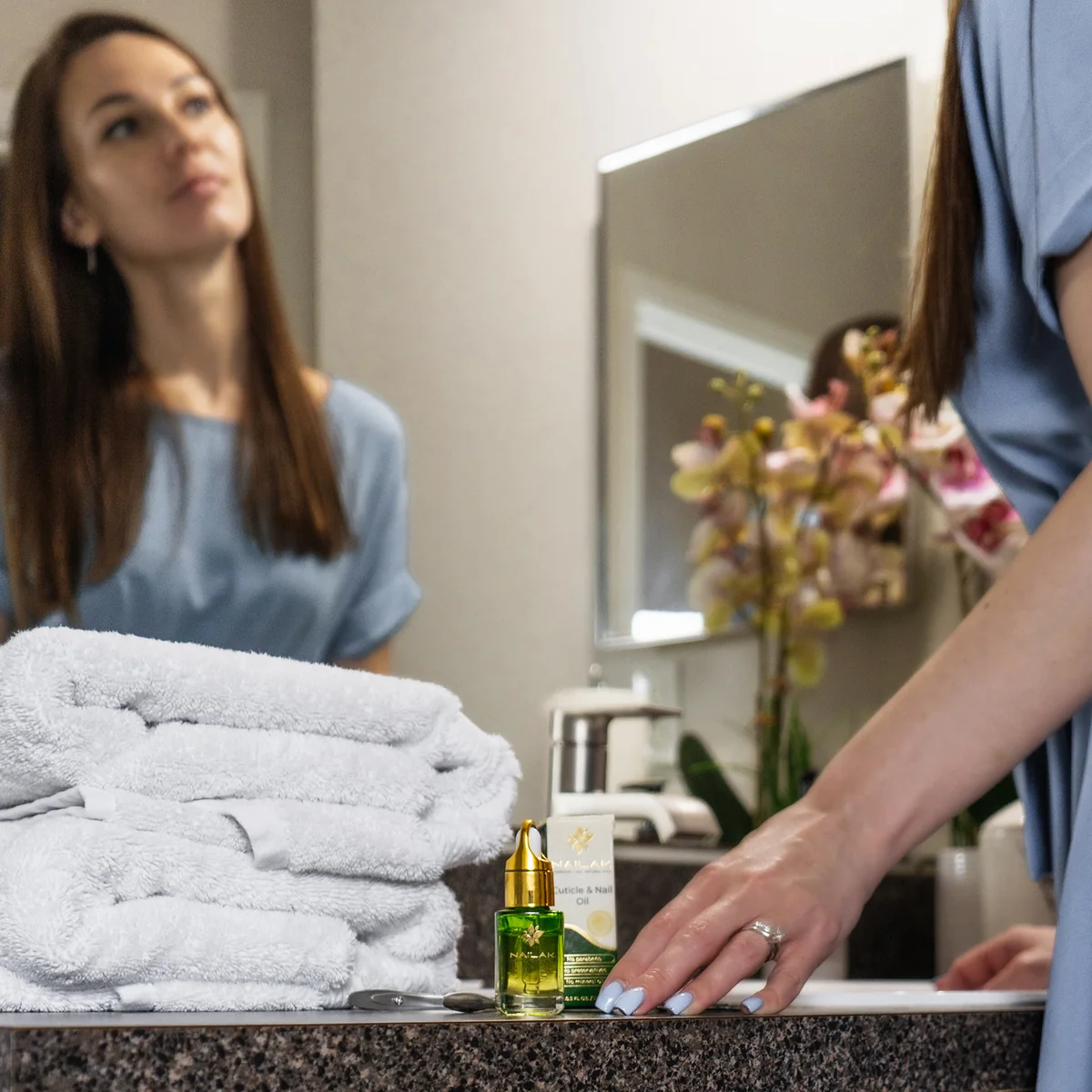
Quick Summary: Cracked, painful cuticles heal fastest with gentle cleansing, rich occlusives, smart daily habits, and mindful grooming—plus a watchful eye for infection and irritation triggers.
Why Cuticles Crack and Hurt
Your cuticles are thin seals of skin that protect new nail cells and keep out bacteria. When that seal dries, tears, or gets trimmed too aggressively, nerve endings get exposed and inflammation ramps up. That’s why it stings.
Common culprits include:
- Frequent handwashing or hot water.
- Harsh soaps, solvents, or alcohol-based sanitizers.
- Cold, windy weather and low indoor humidity.
- Picking, biting, or over-pushing during manicures.
- Acetone-heavy polish remover used often.
- Gloves skipped during cleaning or dishes.
- Skin conditions like eczema or contact dermatitis.
Tiny splits at the cuticle open the door to hangnails and infection. The goal is twofold: restore the skin barrier and protect the area from further friction and microbes. You don’t need fancy moves—just consistent, gentle ones that help your skin seal again.
Calm the Sting: Gentle First Aid Now
Start where you are. If your cuticles are cracked and painful today, here’s a simple, effective sequence.
- Cleanse without stripping.
- Wash with lukewarm water and a mild, fragrance-free cleanser.
- Skip hot water and scrubs; both can worsen micro-tears.
- Soften, then seal.
- Soak fingertips in warm water for 5 minutes to soften skin.
- Pat dry. Apply a layer of occlusive balm—petrolatum, lanolin (if not allergic), or a ceramide-rich ointment. You want slip and shine.
- Protect the split.
- If a cut is open or catching, place a small hydrocolloid bandage overnight. It cushions, locks in moisture, and shields from friction.
- Tidy hangnails only.
- If a hangnail is present, sterilize cuticle nippers with alcohol.
- Snip the dead flap only, flush to the skin. Do not pull. Do not cut living tissue.
- Reduce irritation.
- Avoid acetone remover for a week.
- Minimize sanitizer right on the crack; use soap and water when possible.
- If pain is sharp, a cold compress for 2–3 minutes can calm throbbing.
- Watch for infection.
- Redness spreading, heat, pus, or a throbbing pulse that wakes you at night are red flags. Seek medical advice promptly.
Repeat the balm-and-bandage routine nightly for 2–3 days. Most minor splits soften, settle, and start sealing by the third day when you keep them moist and protected.
Your Daily Routine to Prevent Cracked Cuticles
The best fix for cuticles cracked and painful is prevention. Build a small, steady routine.
Morning
- After washing, apply a light cuticle oil with jojoba or squalane. These mimic skin’s natural lipids and sink in fast.
- Follow with hand cream rich in glycerin and ceramides.
- Finish with SPF on hands. UV degrades collagen and dries skin faster than you think.
Daytime
- Reapply hand cream after washing. Keep a travel tube in your bag.
- Use gloves for dishes, cleaning, or gardening. Think of them as coats for your hands.
- Keep a mini oil pen at your desk. One swipe along each cuticle during a meeting is simple, discreet care.
Night
- Massage a thicker balm into nail folds for 30 seconds per hand. Focus on thumbs; they take the brunt of phone scrolling.
- If air is dry, run a bedside humidifier. Overnight humidity supports your skin barrier.
Micro-habits that matter
- File nails weekly to reduce snags that start tears.
- Swap harsh soaps for pH-balanced, fragrance-free options.
- Choose non-acetone remover for routine use; save acetone for gel removal.
- Hydrate and nourish: protein for keratin (eggs, legumes), healthy fats (olive oil, salmon), and colorful produce for antioxidants. Food first; supplements only if your clinician advises.
Consistency beats intensity. Ten seconds of oil twice a day is better than ten minutes once a week.
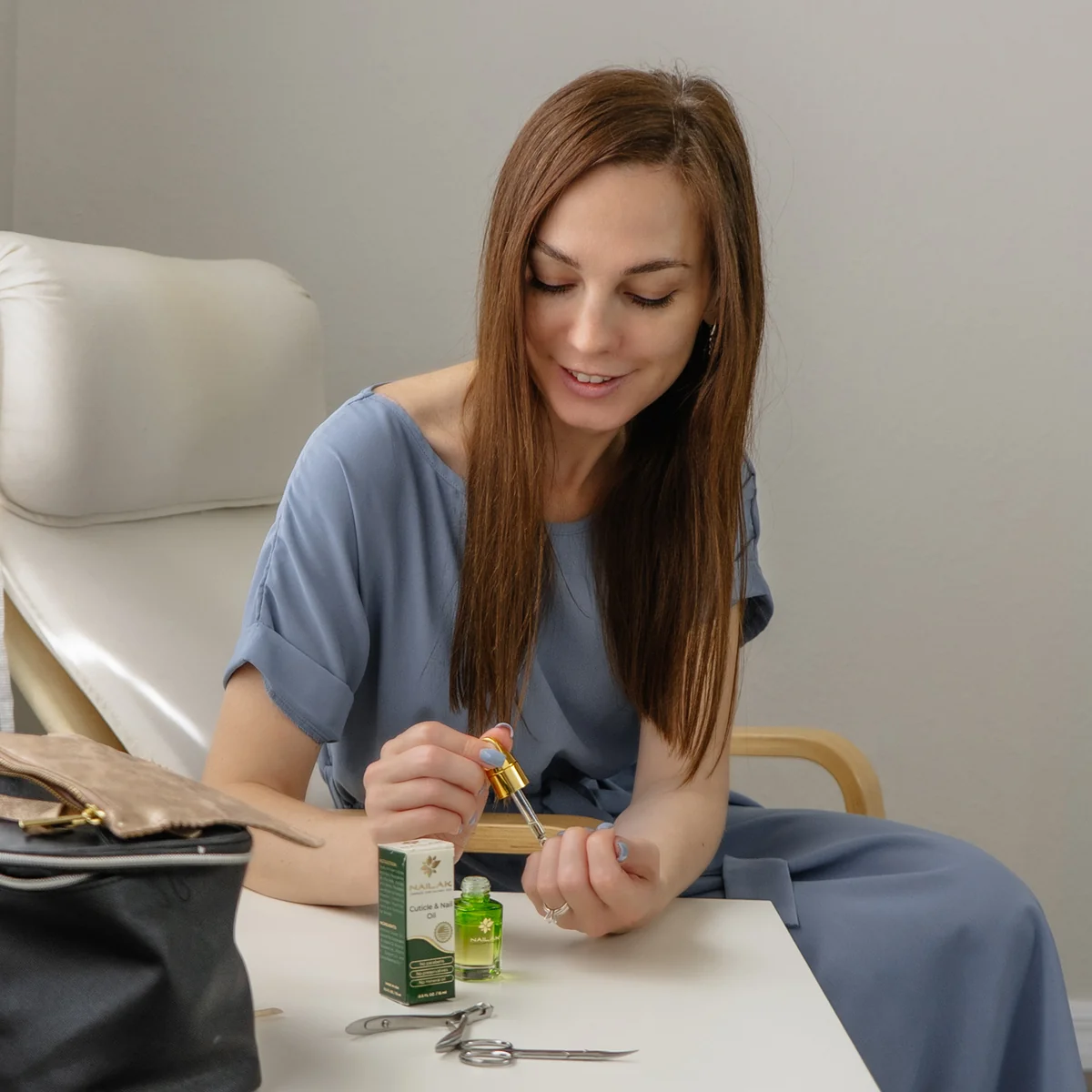
Smart Product Picks and Soothing Ingredients
You don’t need a dozen bottles. You need the right textures and a few proven ingredients.
Barrier builders
- Occlusives: petrolatum, lanolin, beeswax, dimethicone. They seal in water and reduce TEWL (transepidermal water loss).
- Emollients: shea butter, squalane, meadowfoam seed oil. They smooth and soften rough edges.
Water attractors
- Humectants: glycerin, hyaluronic acid, and urea (5–10%). They draw moisture into the outer skin layers. Pair with an occlusive on top to prevent evaporation.
Soothers
- Panthenol, allantoin, bisabolol, colloidal oatmeal. These calm irritation and support repair.
Cleansers and removers
- Look for fragrance-free, gentle hand washes.
- For polish, alternate non-acetone remover with acetone when needed. Always follow with oil.
Tools
- A glass nail file to prevent micro-frays.
- A wooden orange stick for gentle push-back after a warm shower.
- Sharp, sanitized nippers for hangnails only.
A quick trend note: Beauty editors who test hair removal products often emphasize prep and aftercare because stripped skin inflames fast—hands included. The lesson applies to cuticles too: cushion with moisture before and after any potentially drying step for fewer flare-ups. It’s a small, protective rhythm that pays off. (source: https://www.marieclaire.com/beauty/skincare/best-hair-removal-products/)
Patch test new products, especially essential oils. And remember: “tingly” often means “irritating,” not “working.”
Salon Rituals and At-Home Grooming That Help
Great manicures protect cuticles instead of punishing them. Whether you DIY or visit a pro, a few boundaries keep pain at bay.
At the salon
- Say “no cutting, just gentle push-back” for cuticles. Cutting living tissue invites infection.
- Ask that tools be properly sterilized. Don’t be shy; your health matters.
- Request acetone exposure be as brief as possible. Follow with oil and balm.
- If your skin is flaring or cracked, skip gels or dip until healed.
At home
- After a shower, gently push back softened cuticles with a wooden stick. Stop if you feel resistance.
- Clip only dead hangnails. Never tug.
- File in one direction; avoid sawing.
- Seal the session with oil and a balm layer.
Communication is care. A simple “My cuticles are cracked and painful—please be extra gentle” sets the tone.
When Pain Signals More: Red Flags and Lifestyle Links
Sometimes a sore cuticle is more than dryness. Pay attention if:
- Redness spreads beyond the cuticle.
- You see pus, feel heat, or have throbbing pain.
- The area is tender with swelling along the nail fold.
- You notice persistent cracks despite consistent care.
These can indicate paronychia (a nail fold infection) or contact dermatitis. If you’re immunocompromised, have diabetes, or a history of skin conditions like eczema or psoriasis, check in with a clinician sooner rather than later.
Lifestyle links to consider
- Allergens and irritants in soaps, fragrances, or gloves can trigger flares. Switch to hypoallergenic options.
- Cold, dry air without a humidifier dehydrates skin. Adjust your environment.
- Chronic picking is often stress-related. Try a fidget ring, textured phone grip, or keep bandages on tempting spots.
- Nutrition and sleep influence skin repair. Even an extra glass of water and thirty minutes more sleep help.
Medical treatments, when needed, might include topical steroids for dermatitis or prescription antibiotics for infection—use only under guidance.
A Softer Kind of Confidence
There’s quiet confidence in hands that feel cared for. Not because they’re perfect, but because they’re comfortable. When you pause to soothe a split cuticle—just a minute of warm water, oil, and balm—you practice a friendly kind of discipline. A boundary. You protect the thin, mighty seal that protects you.
This is the essence of self-care: small, repeatable actions that return you to yourself. The next time your cuticles are cracked and painful, choose softness early. Keep a tiny tube of relief in your pocket. Touch your hands like they belong to someone you love. They do.
Frequently Asked Questions (FAQ)
Q: Why are my cuticles cracked and painful in winter? A: Cold air outside and heated, dry air inside drain moisture from skin fast. Frequent handwashing and sanitizers compound the loss. Add wind exposure and hot water, and the cuticle seal dries and splits. Buffer your routine with gloves, humidifier, cuticle oil twice daily, and a thick balm at night.
Q: Is it okay to cut painful cuticles? A: Don’t cut living cuticle skin. Only trim dead hangnails flush to the surface with sterilized nippers. Cutting living tissue increases infection risk and inflammation, which makes cuticles more painful. Instead, soften, gently push back, and seal with oil and balm.
Q: What’s the best oil for cracked, painful cuticles? A: Jojoba and squalane are excellent because they mimic skin’s natural lipids and absorb quickly. For extra repair, layer them under a balm with petrolatum or lanolin. If you’re sensitive, choose fragrance-free formulas and patch test first.
Q: How long do cracked cuticles take to heal? A: Minor cracks often calm within 48–72 hours with consistent moisture and protection. Deeper splits or irritated areas can take a week or longer. If redness spreads, pain worsens, or you see pus, seek medical advice.
Q: Do gel or dip manicures make cuticles worse? A: They can if removal is aggressive or acetone exposure is prolonged. Repeated dehydration and scraping stress the cuticle seal. Limit back-to-back gel appointments, rehydrate immediately after removal, and take polish breaks when your cuticles feel tender.
Estimated word count: ~2,030 words