
Hangnail Oil Treatment: Soothe, Seal, Heal
The hangnail caught on the sleeve of your softest sweater, a tiny snag that felt bigger than the day itself. You’d so carefully chosen this moment—a quiet morning, sunlight curling onto the kitchen counter, coffee pressed and poured, a to-do list you’d promised yourself would feel gentle. And then: sting. That sharp, petty ache that seems to pulse with every tap, every zip, every dish rinsed. It’s funny how something as small as a hangnail can throw off your mood.
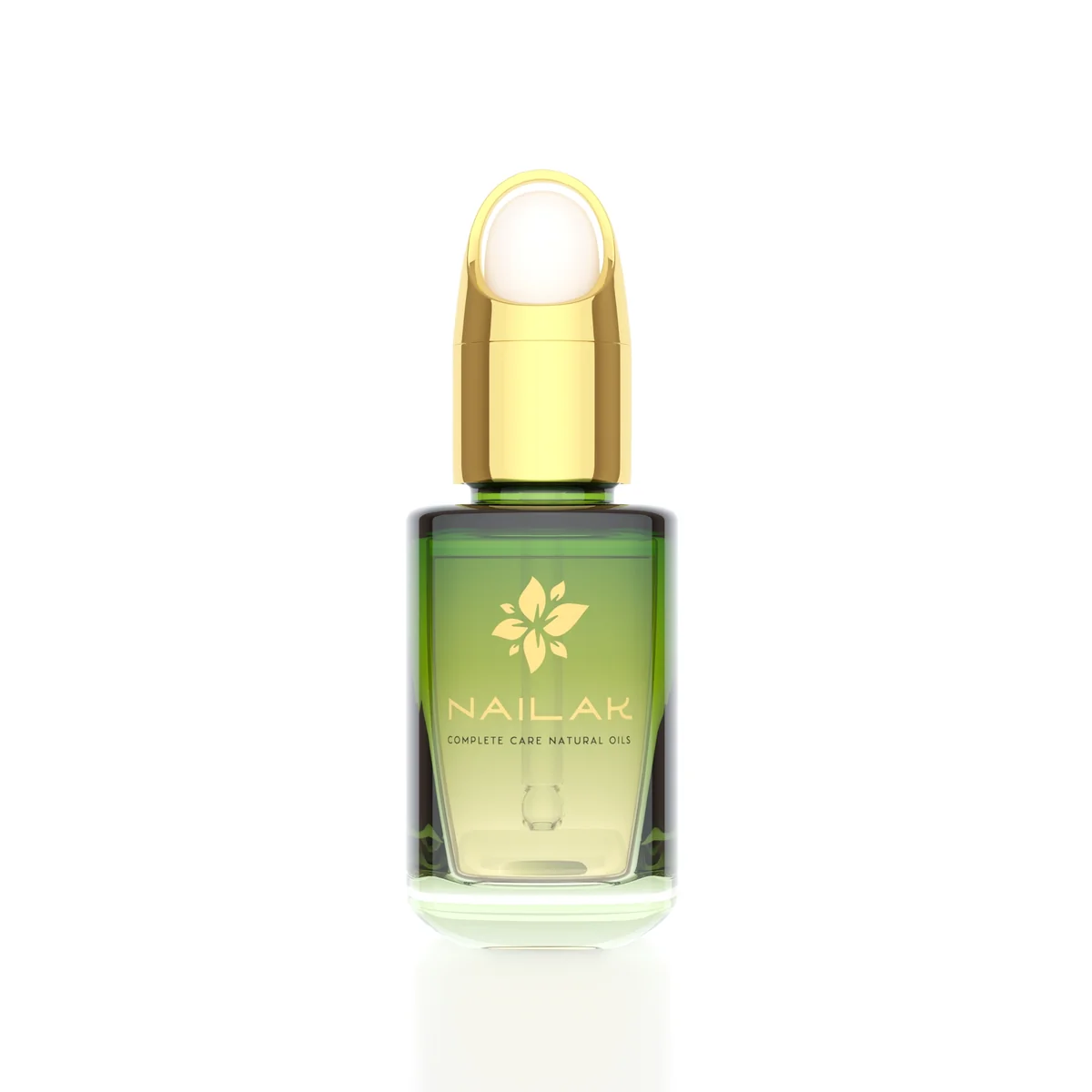
You pause, thumb hovering over the torn edge. The urge to pick rises up like a reflex. Let’s be honest—most of us have given in before. One tug turns a whisper of skin into a torn cuticle that smarted for days. Today, though, you breathe. You reach for the little glass bottle tucked beside your lip balm. The gold of it shines through the frosted glass like calm in a jar. A hangnail oil treatment seems almost ceremonial: one drop, then two, your fingertip gliding slowly. You can almost feel the roughness melt. The air smells faintly of sweet almond and something green, like new leaves after rain.
Your phone pings; the day hums forward. But this tiny ritual is an anchor. It’s the difference between walking into your day with a sting that nags—or a soft, sealed barrier that says, I’ve got you. Minutes later, you’re rinsing fruit, buttoning a blouse, tying your hair, and that prickly edge is already quieter. There’s a kind of confidence in caring for the smallest details. On the surface, it’s just cuticle care. In practice, it’s a reminder that micro-choices—like tending to a hangnail the right way—shape how you move through everything else.
Whether winter air has turned your hands to parchment or a new gym routine has made your skin extra prone to snags, you’re not alone. Our hands work nonstop. They meet hand soap, sanitizer, sun, cold wind, water that’s too hot, and towels that are too rough. And cuticles, that delicate rim where nail meets skin, take the brunt. That’s where hangnail oil treatment comes in: a soft buffer, a sealant, and a healer, all in one small glide.
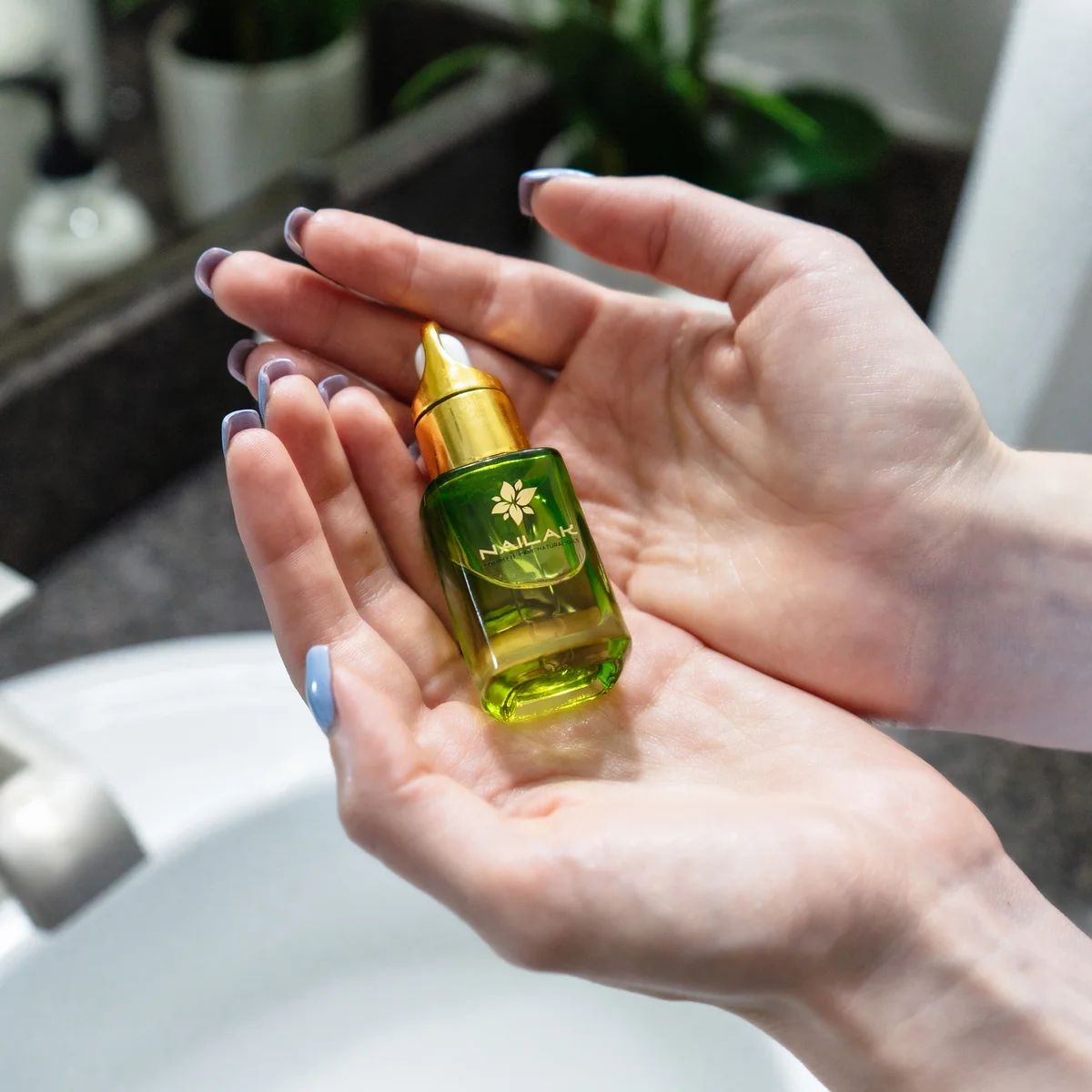
Quick Summary: A targeted hangnail oil treatment hydrates, seals, and supports healing around torn cuticles so you ease pain fast, prevent new snags, and keep nails smoother long-term.
What causes hangnails (and why oil helps)
Hangnails happen when the skin near your nail plate dries out, lifts, and tears. It’s not the nail itself—it’s a tiny shred of skin. A few everyday culprits:
- Frequent handwashing and sanitizers with high alcohol
- Dry air from winter, AC, or heaters
- Hot water and harsh detergents
- Picking or cutting cuticles too aggressively
- Nutritional gaps and dehydration
- Friction from workouts, gardening, or crafting
When skin dries, the stratum corneum (your outermost layer) loses lipids and water. Think of it like brick and mortar where the mortar has crumbled. Hangnails form where stress is highest: along the sidewalls and cuticle. Once that edge lifts, it catches on fabric and creates micro-tears.
Oil helps because it does three things at once:
- Occlusion: It seals in water, reducing transepidermal water loss. Your skin feels softer, longer.
- Emollience: It fills microscopic gaps between skin cells, smoothing texture.
- Delivery: It transports soothing actives like vitamin E or bisabolol to calm inflammation.
An effective hangnail oil treatment mimics skin’s natural lipids. Jojoba, for instance, behaves like sebum and stabilizes suppleness. Squalane improves slip without heaviness. A blend of lighter and richer oils often works best—quick absorbency up front, deeper cushion as it settles.
Here’s the secret: applying oil on slightly damp skin supercharges the effect. Water hydrates. Oil locks it in.
Choosing the best hangnail oil treatment
You don’t need a complicated formula. You need the right one. Look for:
- Skin-identical lipids for compatibility
- A balanced texture that absorbs well
- Soothing antioxidants to reduce irritation
- Packaging that keeps the formula fresh and easy to use
Star base oils
- Jojoba oil: Lightweight, sebum-like, great for daily use.
- Squalane: Non-greasy slip, helps with barrier support.
- Sweet almond oil: Vitamin-rich and comforting.
- Avocado oil: Deeper nourishment, ideal for very dry skin.
- Grapeseed oil: Fast-absorbing, excellent daytime option.
Targeted soothers
- Vitamin E (tocopherol): Antioxidant that protects and softens.
- Bisabolol: A chamomile derivative that calms redness.
- Calendula extract: Gentle support for distressed skin.
- Evening primrose oil: Gamma-linolenic acid for barrier resilience.
Smart textures and tools
- Rollerballs: Mess-free and perfect for on-the-go.
- Brush pens: Precise control along sidewalls and the eponychium.
- Dropper bottles: Great for night routines and massage.
Avoid heavy fragrances and mentholated sensations around torn skin. They can irritate. If you love a scent, choose something very light and skin-safe.
Pro tip: Check the first five ingredients. That’s your formula’s heart. If mineral oil or petroleum is near the top, it’s fine for sealing—but balance it with plant oils for comfort and long-term feel.
A safe, 5-step at-home hangnail oil ritual
You don’t need a salon. You need three minutes and a clean surface.
Cleanse and soften
Wash hands with a gentle, fragrance-free soap. Rinse with lukewarm water. Pat dry, leaving the cuticle area slightly damp.Disinfect if needed
If the hangnail tore and the skin is open, dab a tiny amount of antiseptic. Let it dry thoroughly. Avoid alcohol gels right on the tear—they sting and dry further.Apply hangnail oil treatment
- Place one small drop on the torn edge and along both sidewalls.
- Use your thumb to massage in slow circles for 20–30 seconds.
- Glide the excess over the nail plate to add shine and reduce ridges.
Seal and protect
Top with a thin layer of a richer balm or occlusive if you’re heading outdoors or doing chores. Look for shea butter, lanolin, or a light petrolatum blend. This creates a protective “invisible glove.”Don’t pick—redirect
If an edge still snags, carefully trim only the lifted flap with clean, sharp cuticle nippers. Never yank. Massage one more micro-drop of oil. Breathe. You’re done.
Timing tips:
- Daytime: Choose fast-absorbing oils like squalane and grapeseed.
- Nighttime: Layer richer oils like avocado and a balm to lock in moisture.
Frequency: Twice daily until the area smooths, then once daily for maintenance. Consistency matters more than quantity.
Pro tips for lasting, healthy cuticles
Think prevention with simple, doable habits.
- Micro-mist, then oil: After washing, mist hands with a gentle, water-based spray or swipe with a damp cloth. Apply oil within 60 seconds.
- Pre-wash shield: Rub a drop of oil into each cuticle before cleaning or dishwashing. It buffers against harsh soaps.
- Desk duo: Keep a roller oil and a tiny balm at your workstation. Two-second top-ups beat once-a-week marathons.
- Nail-aware workouts: Wear light gloves for rowing, weights, or gardening to reduce friction.
- Gentle tools: Use a soft cuticle pusher after a shower. Never cut living cuticle—only remove ragged, non-living bits.
- Smart sanitizer: Follow with oil 1–2 minutes after sanitizing. Let the alcohol evaporate first to avoid stinging.
- Hydrate inside: Aim for steady water intake. Skin reflects your baseline hydration.
It also helps to align your hand care with your day’s rhythm. A drop with your morning SPF. A top-up after lunch. A richer layer before bed. Tiny acts, well-placed, keep hangnails from getting a foothold.
In the beauty community, care often extends beyond the mirror. Some nail brands tie launches to charitable efforts that support families through tough medical seasons, reminding us that small purchases can ripple outward. One recent example highlighted donations to St. Jude Children’s Hospital, underscoring how everyday choices can support healing in many forms (source: https://uberchicbeauty.com/blogs/news/were-giving-to-st-jude-childrens-hospital).
Ingredient deep dive: what to look for
Understanding your formula turns good results into great ones.
Occlusives: lock in moisture
- Petrolatum (in light blends): Gold standard for sealing. Even a pea-sized film is effective.
- Lanolin: Superb for very dry, cracked edges; softens stubborn roughness.
- Shea butter: Fatty acids cushion and protect without waxy drag.
Why it matters: Occlusives prevent water from escaping. Without them, hydration evaporates and hangnails return.
Emollients: smooth and soften
- Jojoba oil: Mimics natural oils; excellent for daily comfort.
- Meadowfoam seed oil: Stable, non-greasy, adds a silky slip.
- Avocado oil: Deeper nourishment for night repair.
Why it matters: Emollients fill in the tiny gaps between skin cells, making edges less likely to snag.
Humectants: draw in water
- Glycerin: Classic, effective, pairs well under oil.
- Sodium PCA: Skin-identical, boosts plumpness.
- Aloe extract: Lightweight hydration with a soothing touch.
Why it matters: Moisture is step one. Oil makes it last, but humectants build the hydration base.
Calmers and antioxidants: reduce irritation
- Vitamin E: Helps protect against environmental stress.
- Bisabolol: Reduces visible redness and discomfort.
- Green tea extract: Adds gentle antioxidant support.
Why it matters: Torn skin is inflamed. Calmers help your hangnail feel better, faster.
Ingredients to approach with care
- Strong exfoliating acids (glycolic, high-percentage lactic): Save them for hand creams away from open tears.
- High fragrance loads: Lovely in lotion, risky on raw cuticles.
- Harsh alcohols: Drying around a fresh tear.
Bottom line: Pair hydration + oil + occlusive. Keep actives soothing, not stripping.
When to pause and seek extra care
Most hangnails resolve with consistent oiling and gentle trimming. Press pause and reassess if you notice:
- Increasing redness, swelling, or warmth
- Pus, throbbing pain, or a spreading area of tenderness
- Red streaks or fever
These can signal infection, especially if you’ve picked at the area. Keep it clean, avoid further trauma, and consider a clinician’s guidance. If your hangnails are constant despite diligent care, review your routine:
- Switch to a gentler soap and cooler water.
- Cut back on aggressive cuticle removal.
- Add a richer nighttime occlusive layer.
- Consider external factors: frequent sanitizer use, occupational exposure, or seasonal changes.
Persistent brittleness paired with hangnails may benefit from a biotin supplement or a nail-targeted multivitamin, if appropriate for you. Always check what suits your health plan.
Make it a ritual: small moments, big payoff
There’s power in pausing for the tiniest things. A hangnail oil treatment won’t change the world, but it can change your morning. The soft glide, the minute of massage, the decision not to pick—these are small acts of self-respect. They stack up.
Think of your hands as storytellers. They hold, type, lift, soothe, and wave hello. When you protect the cuticle rim, you’re setting a boundary. You’re saying, This edge matters. Over time, you’ll notice fewer snags, a cleaner nail contour, and polish that wears better. But you might also notice something inside—a steadier pace, a kinder tone with yourself, a little more grace in the in-between moments.
A softer hand. A steadier heart. That’s the quiet magic of care.
Frequently Asked Questions (FAQ)
Q: How often should I apply a hangnail oil treatment?
A: Twice daily is ideal during a flare—morning and night. Once the area smooths, switch to once daily or after each handwash for maintenance.
Q: Which oil is best for hangnails: jojoba, squalane, or almond?
A: Jojoba is the most skin-compatible and a great daily base. Squalane adds lightweight slip for daytime. Sweet almond feels comforting and works well at night. Many find a blend works best.
Q: Can cuticle oil replace hand cream?
A: They do different jobs. Oil seals and softens the cuticle rim. Hand cream hydrates larger areas with water and humectants. Use both: cream first, then oil on the cuticle for a longer-lasting seal.
Q: Is tea tree oil safe for hangnails?
A: Tea tree can be irritating on open skin. If you use it, keep the dilution very low within a balanced formula. Most people get better comfort with soothing, non-sensitizing oils and vitamin E.
Q: How can I prevent hangnails long-term?
A: Keep a steady routine: gentle soap, lukewarm water, daily hangnail oil treatment, and a light occlusive at night. Protect hands during chores, avoid cutting living cuticle, hydrate well, and apply oil within a minute of washing.
Estimated word count: ~1,980 words