
Toenail Fungus Home Remedies That Actually Help
The first time I noticed it, I was painting my toes a soft rose before brunch. Sunlight draped across the bathroom tiles, the kind of slow Sunday glow that makes everything feel easy. I twisted the bottle shut and, out of habit, checked the edges of my big toenail. A new patch of yellow had bloomed near the tip, a crumbly crescent I could catch with the file if I tried.
You know that quick flutter in your stomach when something feels off? I felt it then. It was sandal season. Pilates at noon. A weekend at the lake on the calendar. I wanted to feel airy and unbothered, not calculating which slides showed the least of my nails. So I did what many of us do — I put on another coat of polish and convinced myself it would look fine.
But polish is a bandage for a deeper story. A few days later, while drying my feet after a shower, I saw a second spot on the next toe. Tiny, but there. The skin around the nail felt tight, and even though no one else would have noticed, I did. I felt irritated with myself. Why did I ignore it? Why did I assume it would pass?
Later that night, I pulled out my favorite soft socks and a little box of pedicure tools. I made tea. I Googled, but carefully. I didn’t want miracle claims or fear. I wanted the kind of wisdom a friend would share — calm, specific, honest about the fact that nails grow slowly and fungus is stubborn. I wanted a plan that felt like care, not punishment.
So I started small. I trimmed my nails straight across and filed the free edge thinner, just a little. I let my feet breathe. I used a diluted vinegar soak for a few minutes, patted everything dry, and slipped on clean cotton socks. It wasn’t dramatic. No overnight transformation. Just a quiet ritual that made me feel more in charge of my own body.
Here’s the part that matters: toenail fungus is common, and you’re not “unclean” because you have it. It thrives where warmth and moisture linger, in shoes we love and showers we share. It asks for patience. And yes, for many mild cases, thoughtful toenail fungus home remedies can help slow it, control it, and sometimes clear it — if you stick with them. They’re not about shame. They’re about small, repeatable acts that support your nails as they grow healthier.
Let’s walk through what actually works at home, what’s safe, and when it’s time to call in a professional. Consider this your gentle, evidence-minded guide — equal parts empathy and expertise — for the weeks ahead.
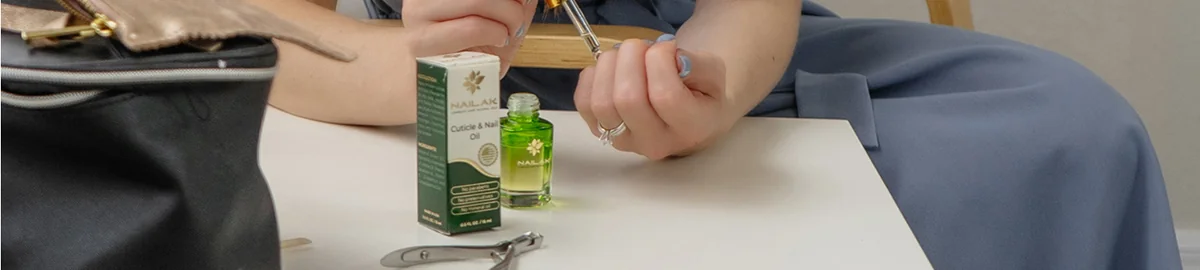
Quick Summary: With steady, safe routines, toenail fungus home remedies can improve mild infections and protect nail health, but severe or painful cases need professional care.
What you’re dealing with
Toenail fungus, or onychomycosis, is an infection of the nail plate and nail bed. Most cases come from dermatophytes, the same group of fungi behind athlete’s foot. They love warm, moist, low-light environments. Think: snug shoes after a sweaty class, a humid locker room, or damp socks that never quite dry.
Common signs:
- Yellow, white, or brown discoloration near the nail edge
- Thickening or crumbling at the tip
- Lines, ridges, or a chalky surface
- Mild odor when trimming
- Sometimes, separation of the nail from the bed
It spreads slowly. Toenails grow at a stubborn pace — often 1–2 millimeters per month. That’s why even the best routine takes time to show results. Think months, not days.
Not all discolored nails are fungal. Trauma, psoriasis, and polish stains can mimic fungus. If you’re unsure, or if several nails are rapidly changing, a clinician can do a simple clipping or lab test to confirm.
Important note: This guide is educational and not a replacement for medical care. If you have diabetes, reduced circulation, or an impaired immune system, talk with a clinician before trying any treatment at home.
When home remedies make sense
Toenail fungus home remedies are most helpful when:
- Only one or two nails are affected
- Less than half the nail plate is involved
- The base of the nail (the matrix) looks clear
- There’s no pain, swelling, or drainage
- You’re not pregnant and don’t have vascular or immune issues
What home care can do:
- Slow or halt spread
- Improve color and texture
- Reduce thickness by softening and careful filing
- Support new, healthier growth
What home care usually can’t do:
- Deliver fast, dramatic clearance
- Treat severe, painful, or multiple-nail infections alone
- Replace prescription treatments when those are clearly needed
Set a realistic horizon. Aim for 3–6 months of steady routine, then reassess. Nails need time to grow out the damaged portion.
Evidence behind popular remedies
Here’s the clear-eyed view on common at-home options — how they work, how to try them, and what to expect. Evidence for nail fungus is often small or mixed; I’ll note that where it matters.
Tea tree oil (melaleuca)
- What it is: An essential oil with antifungal activity in lab studies.
- Evidence: Small clinical trials suggest modest improvement for mild cases. Results vary.
- How to try it: Never apply essential oils neat. Dilute to about 5% in a carrier oil (like jojoba or sweet almond). That’s roughly 1 drop tea tree oil in 1 teaspoon carrier. Apply a thin layer to the nail surface and free edge once daily. Patch test on inner forearm for 24 hours.
- What to expect: Possible gradual reduction in discoloration over months. It may help most when paired with debridement (gentle filing) and dry-foot habits.
- Risks: Skin irritation, allergy. Stop if redness or burning occurs.
Vicks VapoRub–style ointments
- What it is: Ointments with camphor, menthol, eucalyptus, and thymol.
- Evidence: Small case series report partial or complete clearance in some users over 6–16 months. Not a guaranteed cure, but sometimes helpful.
- How to try it: Rub a thin film onto the nail plate and under the free edge nightly. Wipe excess from surrounding skin.
- What to expect: Slow cosmetic improvement. Best as part of a broader routine.
- Risks: Irritation if overused on skin.
Vinegar soaks (acetic acid)
- What it is: Mildly acidic solution that can inhibit fungal growth.
- Evidence: Stronger for athlete’s foot; limited direct nail data. Still, many find it supportive.
- How to try it: Mix 1 part white vinegar with 2 parts warm water. Soak feet 10 minutes, 3–4 times weekly. Pat completely dry, including between toes.
- What to expect: Fresher skin, possible reduction in surface debris. Helps the environment of the foot, which matters for reinfection risk.
- Risks: Irritation if used undiluted or too long. Avoid on broken skin.
Urea creams or gels (20–40%)
- What it is: A keratolytic that softens thick nails so you can file safely.
- Evidence: Good support for reducing nail thickness; often used with antifungal agents.
- How to try it: Apply a tiny amount to the nail plate at night, avoiding surrounding skin. Cover with a bandage if desired. In the morning, gently file softened debris. Limit to 3–5 nights per week at 40%. Wipe excess. If skin gets sore, pause.
- What to expect: Thinner nails that accept other treatments better.
- Risks: Skin maceration if overapplied or smeared onto skin.
OTC antifungal creams and powders (for skin)
- What they are: Clotrimazole, terbinafine, or tolnaftate formulas for athlete’s foot.
- Evidence: Effective for skin, but they don’t penetrate thick nails well. Still critical to treat the surrounding skin to prevent reinfection of the nail.
- How to try it: Apply to clean, dry skin between toes and around nails once or twice daily for 2–4 weeks. Use antifungal powder in shoes.
- What to expect: Less scaling, less itch, and a lower chance the nail is reinfected from nearby skin.
- Risks: Rare irritation.
A note on lacquers: In some countries, antifungal nail lacquers like amorolfine are available over the counter. In others, options like ciclopirox require a prescription. Ask a pharmacist about what’s available where you live.
A gentle, at-home care routine
Consistency is the magic here. Build a calm ritual you can actually keep.
Weekly reset (20–30 minutes)
- Trim and file
- Trim nails straight across.
- Use a file to thin only the thickened free edge. Short, light strokes. No sawing into skin.
- Soak (optional)
- Do a 10-minute diluted vinegar soak (1:2 vinegar to water).
- Pat completely dry — between toes, too.
- Soften and smooth
- Dab a tiny amount of 20–40% urea cream onto the nail plate only.
- Avoid touching adjacent skin. Wipe any excess.
- Sanitize tools
- Clean clippers and files with 70% alcohol. Let them dry.
Nightly nudges (5 minutes)
- Apply your chosen topical:
- Tea tree oil at 5% dilution OR a thin film of a mentholated ointment on the nail plate.
- Let it absorb before socks.
- Wear clean, breathable socks to bed if your feet get cold.
Daily dryness habits
- Rotate shoes so each pair dries for 24 hours.
- Use antifungal powder in shoes if you sweat.
- Choose socks with wicking fibers (merino, bamboo blends, or technical synthetics).
- Air out feet after workouts; don’t stay in wet socks.
Pair it with skin care
Treat athlete’s foot at the same time. Apply clotrimazole or terbinafine cream to peeling, itchy areas morning and night for 2–4 weeks. The skin and nails are neighbors; keeping skin clear supports nail recovery.
In the swirl of wellness and beauty headlines, priorities shift fast. One day it’s glossy pedicure trends; the next it’s minimalist routines. But when it comes to nails, improvement isn’t trendy — it’s steady. Consistent, simple steps beat dramatic promises every time. (source: https://fashionista.com/2026/02/fashion-news-you-need-to-know-february-28)
What to avoid
- Sealing moisture under thick polish for months
- Aggressive filing that causes pain or bleeding
- Sharing nail tools or shoes
- Walking barefoot in public showers or pool decks
- Putting neat essential oils straight on skin
Daily habits that tip the balance
Small choices matter more than you think. Aim for these easy wins.
- Dry faster, everywhere
- Post-shower, towel between toes. A cool setting on a hair dryer helps if needed.
- Choose breathable footwear
- Leather or mesh uppers beat hard synthetics. Ditch overly tight toe boxes.
- Disinfect the ecosystem
- Mist insoles with 70% alcohol or a shoe sanitizer spray. Let them dry overnight in a ventilated spot.
- Streamline showers
- Wear flip-flops in communal areas. Rinse and dry feet right after.
- Prioritize gentle pedicures
- Skip cutting cuticles. Bring your own tools. Ask for light filing only.
- Don’t forget the family plan
- Fungi love households. Don’t share clippers. Wash bath mats often. Treat athlete’s foot in partners, too.
Three high-impact, actionable tips:
- Treat skin and nails together. Clear the skin to prevent reinoculating the nail.
- Thin the nail surface weekly with gentle filing after softening. Topicals penetrate better.
- Keep shoes dry and rotated. Fungus thrives where sweat lingers; dryness is your quiet advantage.
Signs you need professional care
Home care is wise for mild cases. But it has limits. Seek medical advice if you notice:
- More than half the nail is involved
- Thickening at the base of the nail or sudden worsening
- Pain, swelling, pus, or a bad odor
- Several nails changing at once
- No improvement after 3–6 months of steady care
- You have diabetes, poor circulation, are pregnant, or are immunocompromised
What a clinician may offer:
- Confirmation: A clipping or lab test to confirm fungus and identify the organism.
- Prescription topicals: Efinaconazole or tavaborole, designed to penetrate nails.
- Oral antifungals: Terbinafine or itraconazole for several months. These can have side effects and sometimes require lab monitoring, but they’re often the most effective for moderate to severe cases.
- Debridement: Professional thinning of the nail to reduce pressure and improve penetration.
- Laser: Variable evidence; sometimes used as an adjunct for cosmetic improvement.
None of these negate the need for good habits. Even with prescriptions, the playbook remains the same: trim, thin, dry, disinfect, and repeat. That’s how you protect your gains and your confidence.
Patience, confidence, and small wins
Healing is rarely cinematic. It’s a slow fade-out of the thing that bothered you, replaced by steadier mornings and fewer second thoughts about slipping into sandals. You notice the new growth emerging at the base — clearer, smoother, more your own. You file the tip, check the edge, and realize you haven’t thought about it as much this week.
There’s power in these rituals. They’re not about obsessing over flaws. They’re about returning to yourself, moment by moment, with actions that respect your body’s pace. Toenail fungus home remedies ask for patience, yes, but they also offer agency. You can create the conditions for change — dry, breathable, consistent — and let time do the quiet shaping.
So keep the soft socks nearby. Keep the file gentle. Keep your shoes aired out on the mat by the door. And keep noticing the way small care adds up to bigger confidence. That’s beauty, too.
Frequently Asked Questions (FAQ)
Q: Do toenail fungus home remedies really work? A: They can help mild cases by slowing spread, improving appearance, and supporting new growth. Expect gradual results over months, not days. If half the nail is involved or there’s pain, see a clinician.
Q: How should I safely use tea tree oil on nails? A: Dilute it to about 5% in a carrier oil. Apply a thin layer to the nail plate once daily after trimming and drying. Patch test first. Stop if you notice redness or stinging.
Q: Can I wear nail polish while treating a fungal nail? A: It’s better to keep nails bare. If you wear polish for an event, choose a breathable formula, apply a thin coat, and remove it within a few days. Avoid long-term, opaque layers that trap moisture.
Q: What’s the best way to disinfect shoes and tools? A: Rotate shoes daily and let them dry overnight. Mist insoles with 70% alcohol or use an antifungal shoe spray. Clean clippers and files with alcohol after each use and let them air-dry.
Q: How do I prevent reinfection in the shower? A: Rinse and dry feet right after bathing, especially between toes. Keep a separate towel for feet. Launder bath mats regularly, and wear flip-flops in communal showers and pool areas.
Estimated word count: 1965