
Nail Fungus on Hands Treatment: A Calm Guide
Sunday light slipped across the kitchen counter, turning the steam from your mug into soft silver. You reached for the handle and paused, catching a tiny crescent of yellow at the edge of your thumbnail. It had been a long week—emails tapped out between sips of coffee, a rushed grocery run, a quick dishwashing marathon. And now this small, stubborn mark that wouldn’t scrub away. You turned your hand to the window. The nail felt thicker than usual, a little chalky. A thread of worry tugged.
At Monday’s team meeting, you took notes with your pen angled just so, trying to hide the nail. Later, washing your hands at the sink, you noticed the skin around the nail looking irritated, a whisper of scaling at the cuticle. You thought about the gel polish you’d peeled off last month, about the gym’s hand weights and the damp locker room. You thought about the way you’d reached for your phone and typed “nail fungus on hands treatment” with a mix of urgency and hope.
There’s a specific kind of self-consciousness that arrives with an imperfect nail. It’s not a crisis, but it can nibble at your confidence. You begin to wonder if the barista noticed when you passed your card across the counter. You find yourself stroking your thumbnail with the pad of your index finger, as if a gentle touch could smooth it into normal. Some part of you knows this is fixable. You imagine clear, smooth nails again—glossy, unremarkable, quietly healthy. You promise yourself patience.
You take a breath. This is solvable. Not overnight, but with steady care.
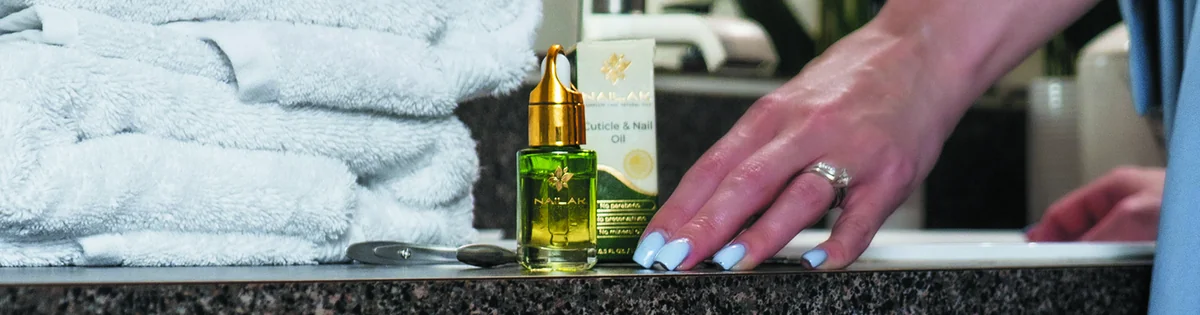
Quick Summary: Nail fungus on hands treatment works best with a mix of targeted antifungals, smart hygiene, and patient, consistent routines tailored to your lifestyle.
What nail fungus on hands looks like
Fingernail fungus often starts quietly. A faint yellow or white spot creeps from the edge or side of the nail. Over time, the nail may thicken, become brittle, or lift slightly from the bed.
Common signs:
- Discoloration: yellow, brown, or white streaks.
- Texture changes: crumbling edges or ridges.
- Separation: a gap developing under the nail.
- Mild odor: a musty note when trimming.
- Tenderness: the surrounding skin may feel irritated.
Not every nail change is fungal. Psoriasis, eczema, trauma from gel or acrylic removal, and even certain bacteria can mimic onychomycosis. Greenish tones, for example, may signal Pseudomonas (“green nail”). If you’re unsure, a clinician can trim a sliver of nail for a quick lab test. Diagnosis matters, because treatment plans differ.
Keep a small “nail diary” for a few weeks. Note color changes, thickness, and any discomfort. Photos help. Progress can feel slow; a record shows the wins you may overlook.
Why it happens (and prevention)
Fungus loves moisture, warmth, and tiny injuries. Hands see a lot of both—dishwashing, sweaty workouts, damp gloves, and frequent handwashing can soften the nail, inviting microscopic organisms in.
Common risk factors:
- Repeated wet work without protective gloves.
- Nail injuries or aggressive cuticle cutting.
- Gel or acrylic removal that thins the nail plate.
- Shared manicure tools that aren’t disinfected.
- Chronic conditions like diabetes or immune suppression.
Prevention is a quiet ritual:
- Wear nitrile gloves for cleaning, gardening, and dishwashing.
- Dry hands thoroughly, including between fingers and under nails.
- Moisturize skin, but keep nail surfaces dry before bed.
- Disinfect personal clippers weekly; don’t share tools.
- Ask salons about sterilization; bring your own files if preferred.
- Give nails breaks between gels. A bare week or two restores resilience.
Let’s be honest: our hands carry us through every task. Protecting them is a loving boundary with the world.
Nail fungus on hands treatment options
Here’s the heart of it. Nail fungus on hands treatment blends medical solutions with supportive habits. Fingernails grow faster than toenails, which helps. But you still need consistency. Expect weeks to months, not days.
Topical solutions
- Ciclopirox 8% lacquer: Brushed on daily, with weekly removal of old layers. Works best on mild-to-moderate cases where the nail isn’t fully involved.
- Efinaconazole 10% solution: Applied daily. It’s designed to penetrate the nail plate.
- Tavaborole 5% solution: Daily application; another option that travels well through the nail.
Tips for success:
- Clean and dry the nail. A gentle alcohol wipe helps.
- Paint the entire nail, including the underside if it’s slightly lifted.
- Use a fine file once weekly to thin very thick areas—lightly, never aggressively.
- Keep going even after the nail looks better. The new growth needs protection.
Oral medications
For more widespread or stubborn infections, your provider may suggest pills:
- Terbinafine: Often first-line; typically 6 weeks for fingernails.
- Itraconazole or fluconazole: Alternatives depending on your health history.
Oral antifungals work from the inside out and are often faster. Your clinician may order liver tests before or during treatment. Share your medications and supplements to avoid interactions.
Office procedures
- Debridement: A professional trim that reduces thickness, helping topicals reach deeper.
- Laser therapy: A heat-based approach some clinics offer. Evidence is mixed; consider it supportive, not standalone.
- Culturing or microscopy: Confirms the diagnosis, especially if prior treatments failed.
Natural remedies (with caveats)
Some oils—like tea tree—have antifungal activity in lab settings. In real life, results vary. Vinegar soaks can alter pH and may help early or mild cases. These can soothe and support, but they’re not proven cures. Think of them as companions to medical therapy, not replacements.
Gentle ideas:
- 1:1 diluted white vinegar soak for 5–10 minutes, a few times weekly, then dry thoroughly.
- A single drop of tea tree oil blended with a carrier oil on the side of the nail. Patch-test first; skip if you have sensitive skin.
Hygiene allies
Supportive habits make medicine work better:
- Keep nails short and smooth to reduce trauma and trap moisture less.
- Swap cotton gloves inside rubber gloves for sweaty tasks.
- Change gym towels often. Wash reusable gloves regularly.
- After handwashing, press a clean tissue lightly under nail tips to wick moisture.
Remember: no plan is one-size-fits-all. Choose what you can keep doing calmly and consistently.
A quick cultural note: Rumors move fast, facts move steadily. Headlines about royal decisions may swirl with speculation, reminding us to stick to evidence when it matters—especially with something like nail health where consistency wins over hype. Choose well-studied treatments and patient routines over quick fixes. (source: https://www.cosmopolitan.com/entertainment/celebs/a70586092/palace-courtiers-claim-king-charles-abdicate-prince-william-12-months/)
A soothing at-home routine
Think of this as a caring ritual—firm but gentle, five to ten minutes a day.
Daily
- Wash hands with a mild cleanser; rinse well.
- Dry completely, especially under nail tips.
- Apply your topical antifungal as directed.
- Seal surrounding skin with a lightweight hand cream, avoiding the nail surface itself.
- Slip on breathable cotton gloves at bedtime if skin is very dry.
Weekly
- Gently smooth thick areas with a fine file, once, on the same day each week.
- Disinfect clippers and files: soak metal tools in 70% isopropyl alcohol for 10 minutes, then air dry.
Monthly
- Photograph your nails in the same light for comparison.
- If you’re not seeing any new clear growth after 6–8 weeks, mark it down and consider a medical check-in.
Small upgrades that help:
- Keep a tiny hand towel by the sink for blot-drying under nails.
- Store your treatment by your toothbrush so you won’t forget.
- Switch to fragrance-free creams if your skin gets irritated.
Let’s be honest: the hardest part is sticking with it after week three. Set a reminder. Pair the task with a soothing cue—a favorite podcast, a cup of herbal tea, or a 5-minute stretch. Make it kind. Make it yours.
When to see a professional
Book an appointment if:
- Multiple fingernails are involved, or pain is present.
- The nail lifts significantly or there’s pus, swelling, or warmth.
- You have diabetes, circulatory issues, or an immune condition.
- You’re unsure it’s fungus, or topicals haven’t helped after 8–12 weeks.
A clinician can confirm the diagnosis, thin the nail safely, and discuss oral medications. It’s not “giving up.” It’s strategic. You’re meeting the issue at the right level with the right tools.
Manicures during treatment
You don’t have to abandon beauty. You do have to get smarter.
- Skip acrylics and hard gels for now. They can trap moisture and irritate.
- If you use polish, choose breathable, and take polish-free weeks for monitoring.
- Bring your own file and buffer to the salon; ask about autoclave sterilization.
- Avoid cutting cuticles. Ask for gentle pushing only, with softened skin.
At home, try a “nail facial”:
- Warm water soak for two minutes, then dry.
- A dot of urea 10% cream on thick areas to soften edges.
- Buff lightly to a satiny, not glossy, finish.
- Apply your antifungal.
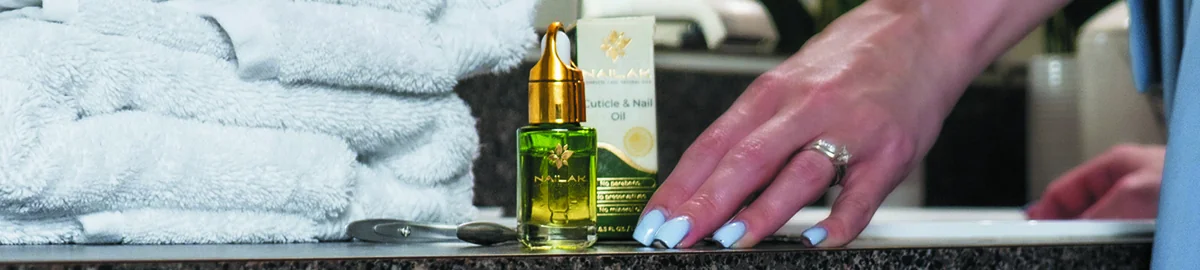
- Finish with a drop of cuticle oil around, not on, the nail plate.
Beauty can be both safe and soft. A clean shape and hydrated skin are chic all on their own.
Confidence, patience, and tiny rituals
Healing a nail is like watching a plant grow. Progress happens from the base, quietly, a millimeter at a time. You won’t notice it daily. But one morning you’ll lift your mug and see a slim line of clear pink at the cuticle, advancing like sunrise. The story will have already started to change.
Confidence doesn’t demand perfect nails. It asks for presence. You care for your hands the way you care for your heartbeat—reliably, without drama, with trust in the process. Nail fungus on hands treatment isn’t glamorous, but it is deeply human: routine, patience, and the faith that small efforts add up.
Light a candle while you paint on your medication. Breathe in the citrus of your hand cream. Feel the softness of a fresh towel between your fingers. These details stitch the days together. And little by little, the mirror will reflect your effort back to you—clearer, smoother, steadier.
Frequently Asked Questions (FAQ)
Q: How long does nail fungus on hands treatment take? A: For fingernails, expect 6–12 weeks of oral treatment if prescribed, or 4–6 months with topicals. New nail growth starts at the cuticle and takes months to reach the tip. Consistency matters more than intensity. Keep going for several weeks after the nail looks better to protect the new growth.
Q: Are home remedies like tea tree oil or vinegar enough? A: They can support early or mild cases, but they’re rarely complete solutions on their own. Tea tree has lab evidence, and diluted vinegar soaks can help with pH, but results vary. Pair them with proven topical antifungals, and stop if irritation appears. If things don’t improve after 6–8 weeks, see a clinician.
Q: Can I wear nail polish while treating a fungal infection? A: You can, but choose breathable formulas and plan polish-free windows to check progress. Avoid gels and acrylics that seal moisture and hide changes. Always let the topical antifungal dry first. If discoloration worsens or irritation appears, skip polish until the nail stabilizes.
Q: What’s the best way to keep it from coming back? A: Keep nails short and clean, dry hands thoroughly, and wear gloves for wet tasks. Disinfect clippers weekly and avoid sharing tools. Give your nails breaks between gels, and be gentle with cuticles. Replace worn dish gloves and gym towels often. These quiet habits create an unfriendly environment for fungus.
Estimated word count: ~2,080 words.