
How to Prevent Nail Fungus From Returning
Saturday light streamed across the bathroom tiles as I lined up my morning things: a clean towel, a favorite minty foot cream, a quick spritz of shoe spray I used to forget. There was a time I didn’t think about my toes at all—until a stubborn nail fungus taught me how quickly a small, hidden issue can nibble at your confidence. You learn the hard way how careful drying matters, that sandals in communal showers aren’t optional, and that a single pair of sweaty socks can undo weeks of progress.
Maybe you’ve been there too. You finally clear it. Your nails look almost normal again. And then, a few months later, one corner clouds up, and your stomach drops. It’s back.
That worry is real. But it doesn’t have to be the ending. Prevention isn’t complicated. It’s consistent, almost boring. The little moments become anchors: slipping into moisture-wicking socks before a long day; rotating shoes so they fully dry; taking a beat to clean your nail tools instead of shoving them back in a drawer. On warm evenings, a gentle file keeps edges smooth so nothing snags and lifts. You can almost feel the smoothness returning to your routine, a subtle, quiet control.
There’s also the joy of reimagining self-care. Not as punishment or fear, but as everyday kindness. A habit stack: feet washed, toes dried between carefully, a whisper of antifungal powder in the shoes you love. The small rituals add up. They protect you when life gets busy and sweatier. They hold the door closed when spores try to get back in.
Imagine packing for a weekend trip. You toss in sleek sandals, a bright polish, and—new this year—lightweight shower slides and a travel-size spray. You add breathable socks for mornings you’ll wander the farmer’s market. When you return, your nails still look clear, smooth, and strong. That’s the outcome we’re building toward: calm, confident steps, with no more surprises hiding at the edge of a nail.
Let’s be honest: nail fungus is stubborn. But with a prevention mindset, you outsmart it before it settles in again. Here’s how to make your routine a protective shield—graceful, easy, and sustainable.
Quick Summary: This guide shows how to prevent nail fungus returning with smart hygiene, footwear choices, salon safety, and simple maintenance therapy.
Why Nail Fungus Comes Back
Recurrence is common because fungus is sneaky. It lingers in the places your feet love most: warm, damp shoes, locker rooms, and shared floors. It also hides in skin folds and between toes as athlete’s foot, then spreads back to nails.
Nails themselves can be vulnerable. Tight shoes, thickened or damaged nails, and minor trauma from running or long walks create openings. Aging, reduced circulation, diabetes, and a suppressed immune system also make nails more susceptible.
Add daily life—workouts, long days in boots, skipped sock changes—and the environment tips in fungus’s favor. That’s why prevention lives in the details. We target moisture, reduce microtrauma, and treat the skin as carefully as the nail.
How to Prevent Nail Fungus Returning Daily
Consistency beats intensity. Build a quick, reliable routine and stick with it.
Morning
- Wash feet with gentle soap.
- Dry thoroughly, especially between toes.
- Apply a thin layer of antifungal powder or spray to feet and inside shoes.
- Choose moisture-wicking socks and breathable shoes.
Midday reset
- If your feet run sweaty, change socks once.
- Keep a small pack of wipes to dry between toes before new socks.
Evening
- Rinse or wipe feet after workouts.
- Dry fully. Elevate your feet for a few minutes if they swell.
- For nails that previously had fungus, use a maintenance topical once or twice weekly as directed by your clinician.
- Apply a light moisturizer to skin, not under or around the nail edges.
Actionable habits that help
- Keep nails short and smooth. Trim straight across, then round slightly with a file.
- Use shower slides in gyms, pools, dorm showers, and hotel bathrooms.
- Rotate footwear. Give each pair 24 hours to fully dry.
- Treat athlete’s foot at the first itch to avoid reinfection.
- Carry spare socks in your work or gym bag.
What to avoid
- Wearing the same damp shoes two days in a row.
- Cutting or pushing cuticles aggressively.
- Sharing nail tools, socks, or shoes.
- Sealing damp nails under polish without a proper dry time.
Smarter Footwear and Sock Strategy
Your feet live most of the day inside a microclimate. Make it healthy.
Choose breathable materials
- Shoes: leather, mesh, or knit that lets air flow.
- Avoid plastic-like uppers that trap heat and sweat.
Pick the right socks
- Moisture-wicking fibers: merino wool blends, bamboo, or performance synthetics.
- Change them after workouts or long walks.
- For heavy sweaters, consider foot-specific antiperspirants.
Rotate and rest shoes
- Give shoes a full day to dry.
- Remove insoles to air out when possible.
- Use cedar shoe trees to absorb moisture and maintain shape.
Disinfecting footwear safely
- Use antifungal shoe sprays or powders regularly, especially during and after treatment.
- Let shoes dry in a well-ventilated spot. Sunlight helps, but don’t rely on it alone.
- Wash washable sneakers and insoles on a gentle cycle; fully dry before wearing.
- Skip risky DIYs like bleach inside shoes. They can damage materials and irritate skin.
For sandals and open shoes
- Wipe footbeds with a mild soap solution or alcohol-based wipe.
- Allow complete drying between wears.
A Prevention-Focused Nail Care Routine
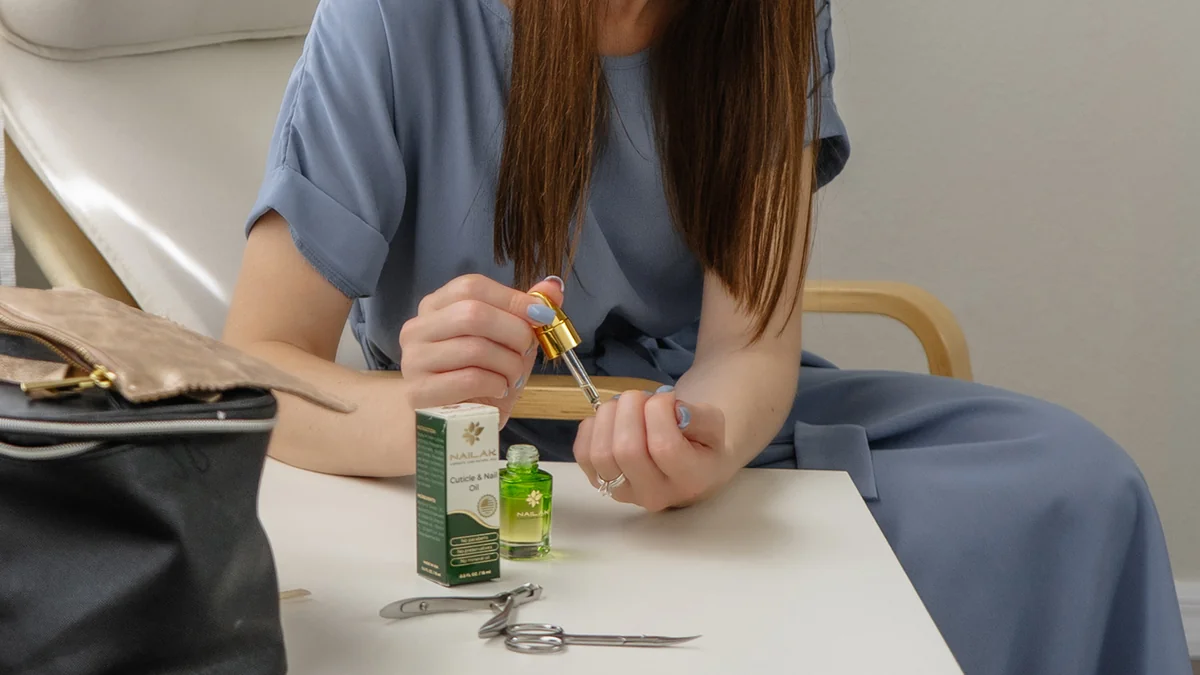
Nail care is your frontline defense. Small tweaks matter.
Keep nails short and thin enough
- Shorter nails trap less moisture and experience less trauma.
- If nails are thick, ask a podiatrist about safe debridement or a urea cream regimen to gently reduce thickness.
Trim with care
- Cut straight across. Slightly soften corners with a file to avoid ingrowns.
- Sterilize clippers and files after each use.
- Replace disposables regularly.
Protect the cuticle
- Never cut cuticles. They’re your natural barrier.
- If pushing back, use a gentle cuticle remover and a soft tool after a shower.
Polish and enhancements
- Give nails polish-free breaks. Let them breathe between color changes.
- If you love gel or acrylics, extend breaks after treatment and monitor closely. Enhancements can hide early signs.
- If you had nail fungus, consider discarding polish and base coats used during the infection. Spores can linger on brushes.
Home tool hygiene checklist
- Wash metal tools with soap and water.
- Dry completely, then wipe with 70% isopropyl alcohol.
- Store in a clean, dry pouch.
- Don’t share tools.
Hands count, too
- If you do frequent “wet work,” wear gloves. Fingernail fungus can recur with constant moisture exposure.
Topicals and Treatments: Staying Ahead
Cleared your nails? Protect the win with maintenance therapy.
Maintenance matters
- Once or twice weekly, apply an antifungal lacquer or topical as your clinician recommends.
- At the first sign of athlete’s foot—itching, peeling—treat the skin for two to four weeks. The skin can reseed the nails.
OTC skin helpers
- For skin, antifungal creams with terbinafine, clotrimazole, or tolnaftate can help prevent reinfection.
- Use powders or sprays in shoes if you sweat.
Thoughts on “natural” options
- Tea tree oil shows mixed evidence. If you try it, dilute and patch test. Stop if irritated.
- Vinegar soaks have limited data. If you use them, dilute well (about 1 part vinegar to 10 parts water) and dry completely afterward.
- Avoid undiluted essential oils or harsh chemicals that can burn skin.
A quick beauty trend note: targeted care is thriving. Neck masks and light-therapy tools remind us that specialized, consistent treatments work best in overlooked areas. Your nails respond the same way—precise, routine attention beats random fixes. (source: https://www.harpersbazaar.com/beauty/skin-care/g63164172/best-neck-masks-skincare/)
When prescriptions are needed
- If nails re-thicken, discolor, or lift, see a podiatrist or dermatologist. They may confirm the diagnosis, thin the nail, or consider oral or topical prescriptions. Follow directions closely and finish the regimen.
Salon and Travel Habits That Keep Fungus Away
Wellness travels with you. Keep standards high beyond home.
Choosing a safe salon
- Look for sealed, sterilized packs or an autoclave on-site.
- Pedicure tubs should have disposable liners or medical-grade sanitation between clients.
- Ask about their disinfection protocol. A good salon is proud to show you.
- Decline callus razors and aggressive cuticle cutting.
Bring your own
- Personal clippers, files, and buffers are a smart, hygienic choice.
- Consider your own polish if you’re cautious about shared bottles.
On the go
- Pack shower slides for hotels, pools, and spas.
- Wear socks in airplane cabins to avoid barefoot contact on carpets.
- Dry feet well after beach time. Sand can abrade skin, so be gentle.
- For yoga or studio classes, use grippy socks or clean mats.
Vacation polish strategy
- If you apply gel before a trip, plan a post-trip break.
- After removal, monitor nail color and thickness for a few weeks.
Stronger Steps, Steadier Confidence
Prevention can feel like upkeep, but it’s also a soft form of power. Each habit says, “I’m looking after myself,” even on days you’re rushing from errands to dinner. You’ll notice it in small joys—a slip-on sandal that doesn’t pinch, a yoga class where you don’t glance down with worry, a pedicure that feels like a treat instead of a risk.
The truth is simple. Clear nails rarely happen by accident. They’re built by little choices repeated with care. When you tend to the skin, the shoe, the sock, the tool, you protect your progress. Confidence grows quietly there, in the details you’ve claimed. Step by step, your routine becomes a promise to yourself: steady, elegant, and yours.
Frequently Asked Questions (FAQ)
Q: How often should I use a maintenance antifungal after my nails clear? A: Many clinicians suggest once or twice weekly long-term, especially if you’ve had recurrences. Apply to clean, dry nails in the evening. Pair it with shoe disinfection and athlete’s foot treatment if needed. Always follow your provider’s guidance and adjust based on your activity and sweat levels.
Q: Can nail polish or gel make fungus return? A: They don’t cause fungus, but they can trap moisture and hide early changes. If you wear gel or acrylics, take regular breaks and monitor closely. Ensure nails are fully dry before polish. If you’ve had fungus, consider discarding old polishes and keep tools clean to reduce risk.
Q: What socks work best to prevent nail fungus returning? A: Choose moisture-wicking blends like merino wool, bamboo, or performance synthetics. Change socks after workouts or long walks. If your feet sweat heavily, consider a foot antiperspirant and a midday sock swap. Avoid cotton-only socks that stay damp.
Q: Are tea tree oil or vinegar good at preventing recurrence? A: Evidence is mixed. Both can be supportive if used safely: dilute tea tree oil and patch test; use a well-diluted vinegar soak and dry completely. Don’t rely on them alone for active fungus. Maintenance antifungals, dryness, and clean footwear are more reliable.
Estimated word count: ~2000 words.