
Your Best Nail Routine Under Gel Nails
The morning light sneaks through your curtains as your coffee warms your hands. You catch a glimpse of your glossy gel manicure wrapped around the mug—still perfect, two weeks in, still the quiet thrill of color that makes emails less dreary and school drop-offs a bit more put-together. Then you notice it. A hangnail. The kind that snags on sweaters and ruins your mood. You smooth it down and think, I do everything “right”—I book with a skilled tech, I tip, I care. So why do the little details around my gels feel a bit neglected?
Later, at the kitchen sink, suds climb past your wrists. The gels survive—of course they do—but your skin softens and dries in the same breath. You towel off, then swipe a thumb over your cuticles. They feel tight, almost papery. You remember the last removal. It was fine, but your nails seemed thinner for days afterward. You promised yourself you’d take better care “under” your gel nails next time. Not just at the salon, but in the quiet, everyday ways that make a difference.
On the commute, a podcast hums while you dig for hand cream at a red light. You massage it in and feel the skin loosen up, the way a good stretch unwinds the body. You think about the week ahead: a meeting, groceries, maybe dinner with a friend if you can swing it. You want things simple. Efficient. You want your manicure to last, but not at the cost of your natural nails. The truth is, gel can be a beautiful, protective coat. It can also mask small problems, like dehydration or damage, until they’re big problems.
You can almost feel the smoothness you want—nails that are strong beneath the shine, skin that’s supple at the edges, no peeling, no tenderness. A nail routine under gel nails should be like skin care beneath good makeup: a quiet, consistent ritual that keeps everything resilient. It doesn’t need to be fussy. It just has to be right.
Let’s be honest: life isn’t a spa day. You need habits that fit the messy, lovely rhythm of mornings that run late and nights that end with you asleep on the sofa. But you also deserve small luxuries—an oil that smells faintly of citrus, a glass nail file that hums softly as it smooths a tiny snag, gloves that make cleaning less brutal on your hands. With a few evidence-based tweaks, your gels can look better, last longer, and leave your natural nails healthier when they do come off. That’s the promise of a solid nail routine under gel nails: effortless beauty, because you did the quiet work beneath it.
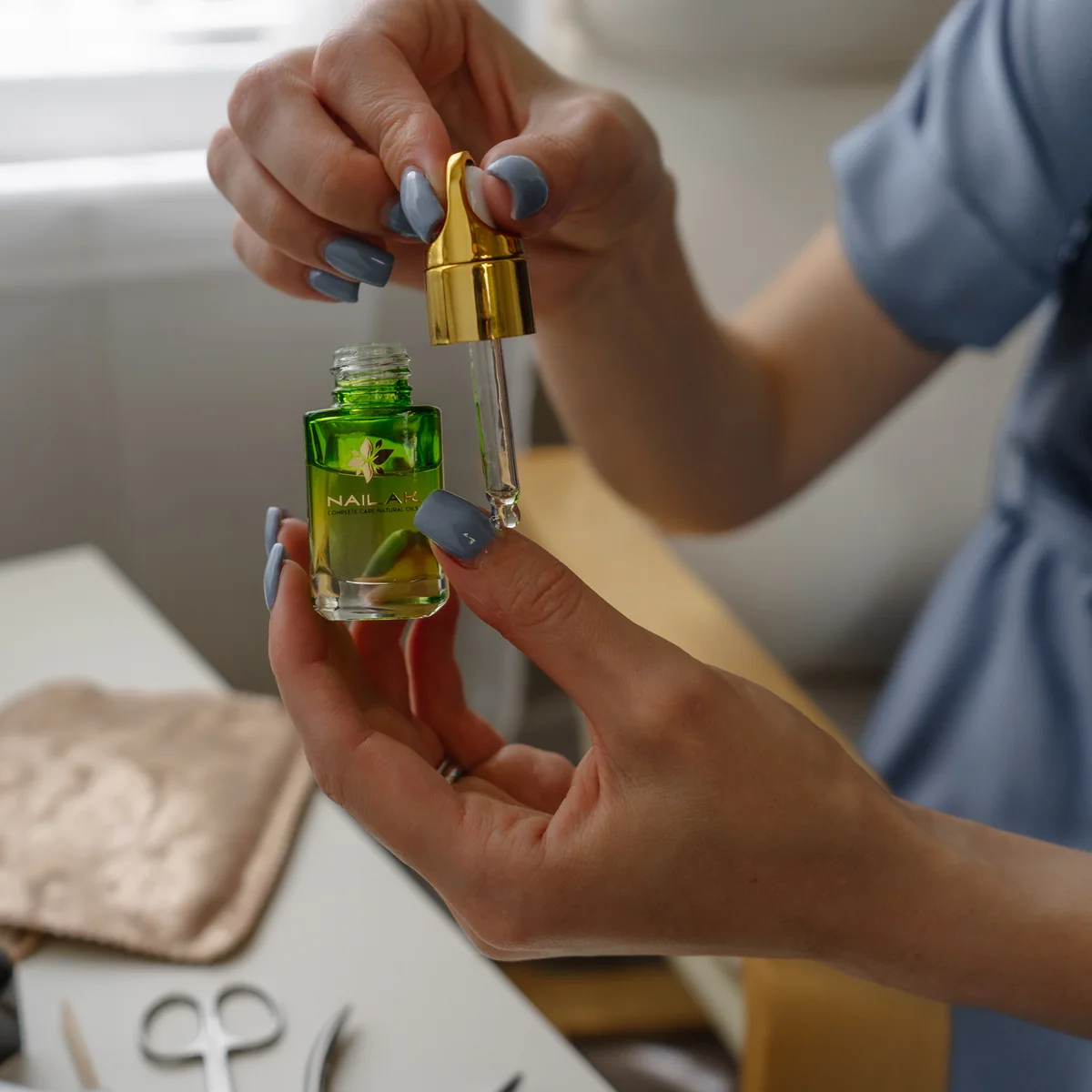
Quick Summary: A smart nail routine under gel nails hydrates the nail folds, protects from wear and water, uses the right ingredients, and builds simple daily habits so your natural nails stay strong beneath the shine.
What “under gel nails” really means
You can’t moisturize the nail plate under a cured gel overlay. But you can nourish the structures that feed it.
Think of your nail as layered keratin anchored by a living matrix under the proximal nail fold. That fold, along with the sidewalls and the skin under the free edge (the hyponychium), are your entry points. Hydration and nutrients reach the nail as it grows out from that matrix. Massage, barrier repair, and targeted ingredients around the nail matter more than you think.
Here’s the secret: while gel shields the plate from daily trauma, it also hides early signs of stress. Dry cuticles, tight skin, tenderness, and background peeling often start at the edges. Keep those areas soft and resilient, and you often prevent lifting, hangnails, and breakage.
Your guiding goals:
- Maintain hydration around the nail folds.
- Protect from water, detergent, and impact.
- Avoid picking and over-filing.
- Remove gels gently, on schedule.
That’s the essence of a nail routine under gel nails—work the borders and the roots, and your manicure (and natural nails) will respond.
Build a daily nail routine
A daily routine should slide into your life. Two minutes, twice a day. That’s enough.
Morning: protect and prime
- Wash, then moisturize. After cleansing or sanitizer, apply a glycerin‑rich hand cream. Look for ceramides, shea butter, and urea up to 10% to soften rough spots without greasiness.
- Cuticle oil, but not on the gel edges before a salon visit. Most days, massage one drop into each proximal fold and sidewall. Jojoba and squalane are ideal—lightweight and skin‑identical. They soften skin without leaving a film that attracts lint.
- Sunscreen on hands. UVA ages hands and can dull topcoats over time. Choose a fast‑absorbing SPF 30+. If you’re getting gels that day, apply sunscreen at least 20 minutes before your appointment, or wear UV‑protective manicure gloves during the lamp cure.
Evening: restore and seal
- Wash with a gentle cleanser. Hot water strips oils. Lukewarm is better.
- Oil massage, again. Slow, small circles over the proximal fold for 30 seconds per hand. This micro‑massage supports circulation, which in turn supports growth at the matrix.
- Occlusive “glove moment” twice a week. Smooth a richer hand cream or a dab of ointment over cuticles and dry knuckles. Slip on thin cotton gloves for 15–20 minutes (or overnight if you can). You’ll wake with petal‑soft skin that’s less likely to crack or snag your gels.
Micro-habits that add up
- Keep a travel-sized cream in your bag. Every hand wash equals one quick application.
- Use the pads of your fingers to open cans or peel labels. Avoid prying with nails.
- At the first sign of a hangnail, clip it cleanly with sanitized nippers. Never rip.
Consistency beats intensity. Small, repeatable steps make your nail routine under gel nails effortless.
Weekly maintenance that protects your gels
Once a week, do a focused check-in. Ten minutes max.
- Smooth snags with a glass file. Work only on the free edge, under the gel, using gentle one‑direction strokes. If you see lifting or cracks in the gel, resist the urge to “fix” it at home. Book a repair. Picking risks peeling your natural layers.
- Clean under the free edge with a soft nail brush. Avoid pointed tools that can separate the hyponychium from the nail. That bond helps keep bacteria out and your nails comfortable.
- Exfoliate hands, not the cuticle. A mild lactic acid hand cream (5–10%) can smooth rough patches. Keep acids and oils off the gel edges within 24 hours of a fill to avoid adhesion issues.
- Deep moisturize. Repeat your occlusive glove ritual. Focus on sidewalls and the base of each nail.
Protective gear matters too:
- Wear gloves for dishes and cleaning. Water plus detergent is a dehydrating duo.
- For gym and gardening, consider snug, breathable gloves to reduce impacts and grime.
These quiet rituals extend wear and keep your natural nails calm beneath the gloss.
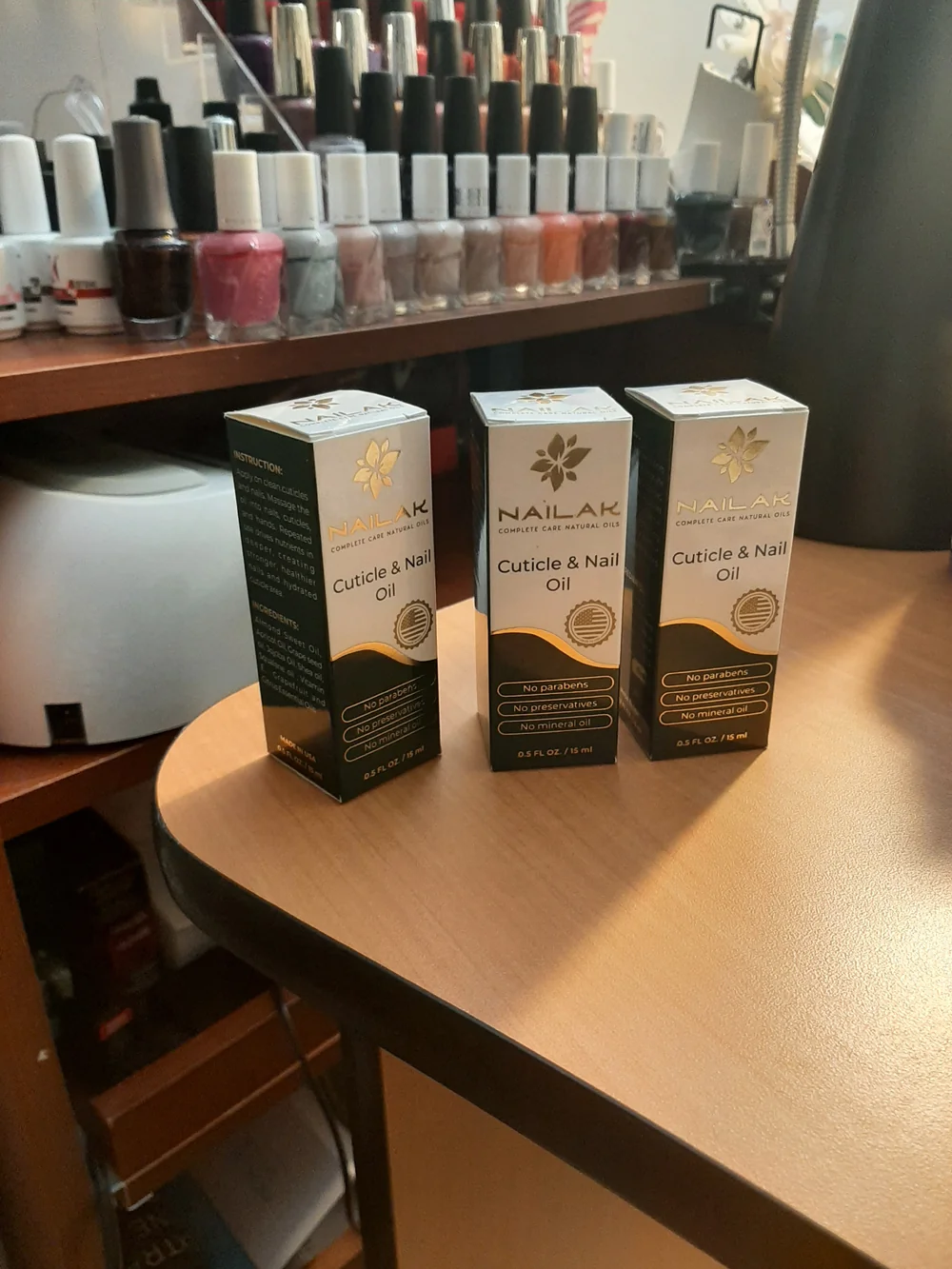
Ingredients that actually strengthen nails
A great nail routine under gel nails is ingredient‑focused. Here’s what works—and why.
- Jojoba oil: Its small molecules mimic skin’s natural sebum and slip into tight spaces around the nail fold. This keeps the skin flexible, reducing micro‑tears that can lead to hangnails and lifting.
- Squalane: Lightweight and fast‑absorbing, it adds cushion without shine. Ideal for daytime when you touch screens or type.
- Glycerin: A humectant hero. It pulls water into the upper skin layers and keeps hands bouncy. Look for it high on an ingredient list.
- Urea (5–10%): Both a humectant and a gentle keratolytic. It softens rough skin around the nail without over‑thinning. Higher strengths are for very thickened areas; stick to 5–10% daily.
- Ceramides: They help rebuild the skin barrier. If sanitizers are a constant, ceramides bring back comfort.
- Shea butter: An occlusive cushion that seals in hydration at night. Use a pea‑size amount and massage well.
- Lactic acid (5–10%): Softens, smooths, and brightens rough knuckles and sidewalls. Keep it off the gel edges within a day of your appointment to prevent lifting.
- Biotin (supplement): Small studies suggest 2.5 mg daily can improve brittle nail thickness over 3–6 months. It’s not a miracle, and it won’t fix over‑filing, but it may help if your nails peel. Talk to your healthcare provider first, especially if you’re pregnant or on medication.
- Protein and minerals from food: Nails are keratin. Steady protein, iron, zinc, and omega‑3s support growth and resilience from the inside out.
What to skip right around gel application:
- Heavy oils on the nail plate before a fill. Oils can interfere with adhesion.
- Harsh cuticle removers pre‑appointment. Over‑softening can make the eponychium ragged and sensitive.
Smart ingredients are subtle. They protect your foundation while your gels do their glossy job on top.
Travel-friendly tools for on-the-go care
Your nail routine under gel nails doesn’t pause when you’re away. Pack light, multitask smarter.
- Mini cuticle oil pen (jojoba or squalane based).
- Travel hand cream with glycerin and ceramides.
- Slim glass file in a hard case.
- Fingerless UV gloves for salon visits.
Beauty trends also favor products that earn their space. Editors have been calling out multitasking staples that do more with less—like a balm that conditions cuticles and lips, or a cream that hydrates hands and elbows. That mindset simplifies on-the-go rituals and makes consistency easier to keep. (source: https://www.womenshealthmag.com/beauty/a70606968/seven-multitasking-travel-beauty-products/)
Set a tiny travel ritual:
- Oil after every flight or long drive.
- Cream after every restroom stop.
- File immediately if you feel a snag.
You’ll arrive with hands that still feel cared for.
Smart habits between fills and removals
Gels shine when maintenance is mindful. Your schedule matters.
- Timing: Fills or fresh sets every 2–3 weeks are ideal. Longer wear increases leverage on the nail plate as growth shifts the apex, which can cause lifting or breaks.
- Pre‑fill prep: The night before, moisturize hands and cuticle area well. The day of your appointment, skip oils for at least 6–8 hours so adhesion stays crisp.
- During your service: Ask your tech to avoid over‑filing the natural plate. A light buff is enough. If your nails feel warm or tender during e‑file work, say so.
- Removal: Professionals should gently break the topcoat seal, then soak with acetone on cotton, wrapped in foil. A thin layer of petroleum jelly around skin can reduce dryness. Warmth speeds removal; prying ruins plates. If you’re DIY‑removing, be patient. Work in intervals. Re‑oil between rounds.
- After removal: Book a “recovery day.” Oil every few hours, cream after washes, and wear gloves for chores. If your nails feel thin, consider a short break before the next set. A couple of weeks of oil and gentle care can reset strength.
Red flags that deserve a pause:
- Persistent sensitivity or heat with light pressure.
- Peeling layers, especially near the free edge.
- Chronic lifting in the same spot.
- White spots that don’t grow out.
Healthy nails under gels feel smooth and quiet. If they’re talking—listen.
When to rethink your gel schedule
A nail routine under gel nails adapts as your life shifts.
- If your work is wet or hands‑on, tighten your fill schedule to 2 weeks and double down on gloves.
- If you’re training for a race or lifting heavy, consider shorter shapes that reduce leverage. Rounded squoval or short almond are resilient.
- If hormonal changes, illness, or stress alter your nails—more peeling, slower growth—simplify your products and increase frequency of oil and cream. Gentle wins.
- If you can’t stop picking, try a translucent builder base and a sheer shade. Seeing your nail can curb the urge.
And if you’re craving a reset, plan a gel “vacation” for 2–4 weeks. Keep your routine; switch to a breathable strengthener and daily oil. You’ll see what your base needs—and return to gels with a fresh foundation.
A small ritual, a larger confidence
The right nail routine under gel nails isn’t about perfection. It’s about rhythm. Small circles of oil at night. A glove tugged on before the sink fills. A quick file when you feel a snag. These micro‑moments build a quiet confidence—the kind you catch when you wrap your fingers around a coffee cup and notice not just the shine, but the softness of the skin that holds it. When you care for what’s beneath, your polish becomes more than a finish. It becomes a reflection of the care you’re taking with yourself.
Frequently Asked Questions (FAQ)
Q: How often should I use cuticle oil with gel nails? A: Twice daily is ideal—morning and night. Add a mid‑day swipe after handwashing if your skin feels tight. Focus on the proximal fold and sidewalls, not the gel surface.
Q: Can I file my gel manicure at home if an edge lifts? A: You can gently smooth a snag on the free edge with a glass file. If you see lifting or cracks, avoid filing the gel. Book a repair. Filing lifted gel can peel layers off your natural nail.
Q: Do biotin supplements really help nails under gels? A: Biotin (around 2.5 mg daily) has limited evidence for reducing brittleness over 3–6 months. It won’t fix over‑filing or poor removal. Talk to your healthcare provider first, especially if you have medical conditions or take other supplements.
Q: Are urea or lactic acid creams safe around gels? A: Yes—on the skin, not on gel edges. Urea 5–10% and lactic acid 5–10% smooth roughness and boost hydration. Avoid applying them within 24 hours before a fill so adhesion stays strong.
Q: How can I prevent lifting with a new set? A: Arrive with clean, oil‑free nails; skip oils the day of your appointment. Ask for minimal plate filing and thorough prep at the sidewalls. Afterward, wear gloves for chores, keep edges smooth with a glass file, and moisturize the surrounding skin daily.
Estimated word count: 2,020 words