
Nail Damage from Dipping Powder: Heal and Prevent
Saturday morning light filtered through the kitchen window, turning the steam from your teacup into a ribbon of fog. You settle into a chair, sleeves pushed back, a little ritual before errands. Your nail color still glows from last week’s dip manicure. It catches the light in that glossy, mirror-smooth way that makes you feel pulled together, even in leggings and messy hair. Then you notice it—the tiny lift near your cuticle and the rough patch along one side. You run a thumb over the edge. It snags. Your gut dips too.
You think about how easy that powder manicure seemed: no drying time, no smudges, just instant polish perfection. But a quiet worry whispers every time you remove it. Your natural nails look thinner. They peel. Sometimes they feel tender when you press them. Between coffee sips, you pull out a file, wondering if this is just you or if everyone playing with dipping powder pays for the shine.
That’s the thing about beauty rituals. The best ones tuck a sense of confidence into your pocket. But when the ritual starts to leave marks—rigid ridges, peeling tips, a dull lack of luster—it’s time to listen. Not with judgment or panic. With presence. With gentleness. With the steady patience that your body understands best.
You trace your cuticle line and remember salons with humming lights. The moment you dip your fingertips into that airy pot of color, it feels almost playful. Sprinkle, tap, seal, repeat. The result is sturdy and smooth, a shell that survives keys, laptops, and dish soap. Then there’s removal day. Acetone wraps. A scrape here, a scrape there. The salon clock ticks. Someone jokes about “just a little more pushing.” Maybe you switch to an at-home kit and end up pressing too hard yourself. The damage creeps in slowly, like a fray at the hem of a favorite sweater.
Let’s be honest: nail damage from dipping powder doesn’t arrive overnight. It’s a pattern disguised as convenience—a little too much buffing, a little too much scraping, a little too little moisture. And like most things, awareness is the first repair. You don’t have to give up color. You don’t have to swear off salons forever. You just need a plan that respects your nails the way you respect your skin and hair.
Imagine this: a month-long reset where your nails soften back to themselves. Each day, a drop of oil. Gentle filing only in one direction. A light, flexible topcoat instead of a thick shield. You learn to love the natural blush of your nail bed again. You see the half-moons brighten and smooth. There’s no rush. No timer. Just slow recovery. The same patience you give your heart after a long week? Your nails deserve that grace too.
And when you do return to color, you’ll do it smarter. With better removal habits. With kinder tools. With a sense of control and care. Your manicure will feel like a choice, not a cover. Your hands will feel like you again.
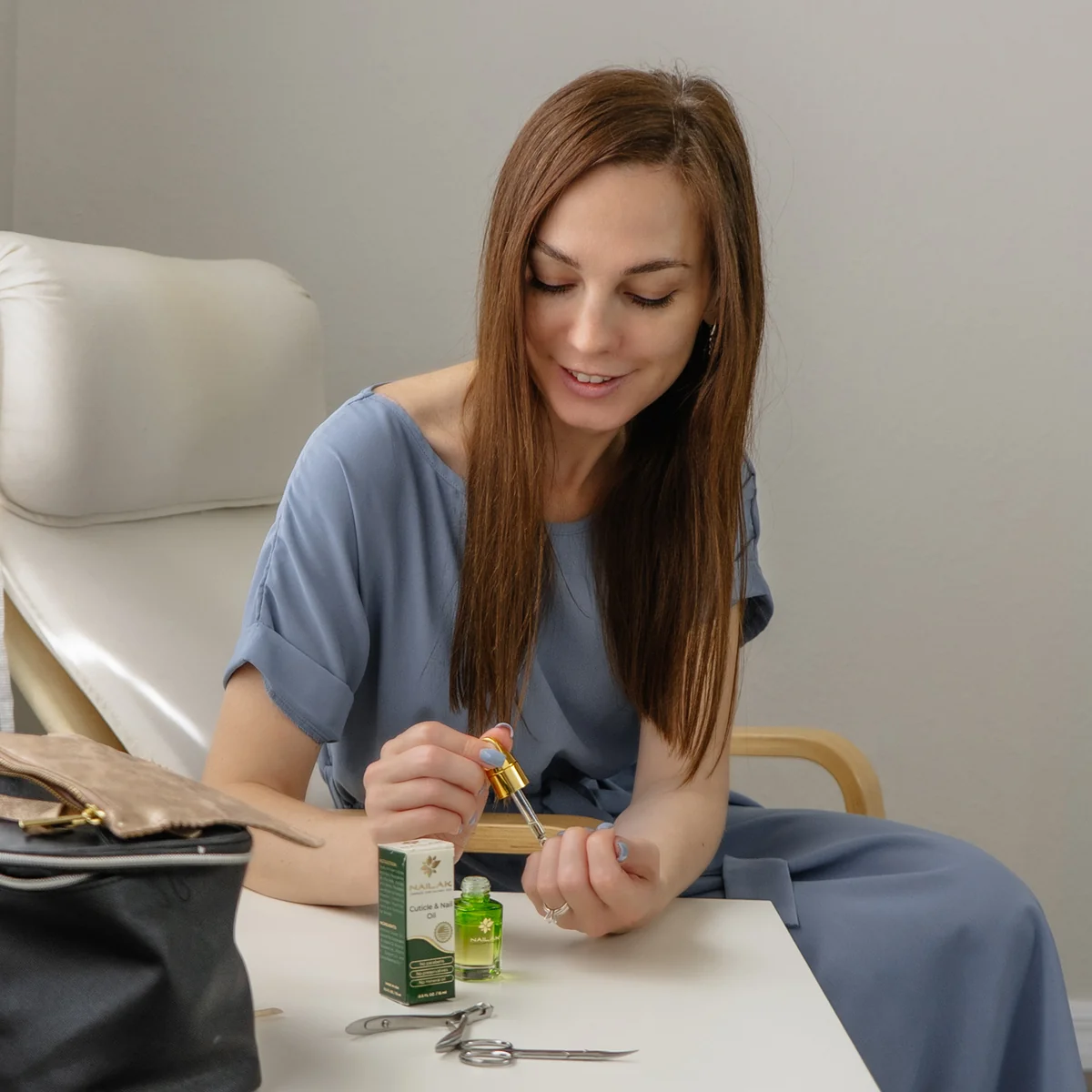
Quick Summary: Understand nail damage from dipping powder, how to heal it, and how to protect your nails without giving up beautiful color.
What dip powder does to nails
Dip powder creates a durable, plastic-like layer. It’s built from fine acrylic powders and resin. The combo hardens quickly and resists chips. That’s the upside.
The strain comes before and after. Here’s how damage can happen:
- Excessive surface buffing thins the nail plate.
- Rough or forced removal scrapes away top nail layers.
- Repeated acetone exposure dehydrates nail and skin.
- Trapped moisture under lifting product invites irritation.
- Over-filing cuticles or sidewalls inflames the nail fold.
Dip systems aren’t the enemy. Technique is. Frequent sets with rushed removal add up. Your nail plate is made of keratin layers. Think of them like roof shingles. If you sand and pry, shingles lift. If you soak patiently and lift gently, they stay intact.
The science-in-brief
- Nail plates have three main layers. The top is the hardest.
- Repeated abrasion makes nails bendy and peel.
- Dryness increases micro-fractures and brittleness.
- Healthy nails flex slightly without cracking.
Protecting the top layer matters most. When it’s thinned, you feel tenderness and see frayed edges.
Signs of damage to watch for
Catching nail damage from dipping powder early prevents bigger setbacks. Look for:
- Peeling or flaking at the free edge.
- White patches after removal.
- Tenderness when pressing on the nail.
- Ridges that feel new or more pronounced.
- Thin, bendy nails that won’t hold shape.
- Hangnails and ragged cuticles.
A single manicure rarely causes dramatic harm. It’s repetition. If two or three back-to-back dip sets leave your nails worse each time, that’s your cue.
Red flags that need a pause
- Persistent lifting or pockets under product.
- Redness, swelling, or throbbing around the nail.
- Greenish spots suggesting trapped moisture.
- Pain during buffing or removal.
When in doubt, take a break and treat. Nails respond well to rest.
Healing plan: the 14–30 day reset
Give yourself two to four weeks. Focus on moisture, minimal friction, and smart protection. You can almost feel the smoothness returning.
Week 1: Calm and quench
- Oil your nails and cuticles 2–3 times daily.
- Use a light, breathable strengthening base coat.
- File only as needed, in one direction, with a fine grit.
- Wear gloves for dishes and cleaning.
Ingredients to love:
- Jojoba, sweet almond, or squalane oils.
- Vitamin E.
- Panthenol and glycerin.
- Biotin in diet or supplements if advised by your provider.
Week 2: Gentle structure
- Keep oiling daily.
- Add a flexible ridge-filling base once or twice a week.
- Lightly buff only to smooth peeling edges—not the entire nail.
- Short, rounded shapes resist snags and reduce breaks.
Weeks 3–4: Steady strengthen
- Maintain oils and hydrating hand cream.
- Use a repair base every 4–5 days, removing with non-acetone on off days.
- Keep nails short until they feel less bendy.
- Add a soft nail mask overnight once a week.
Four habits that speed recovery:
- Hydrate often—inside and out.
- Avoid picking or peeling product.
- Limit acetone. When you must, follow with oil and cream.
- Let nails rest between color appointments.
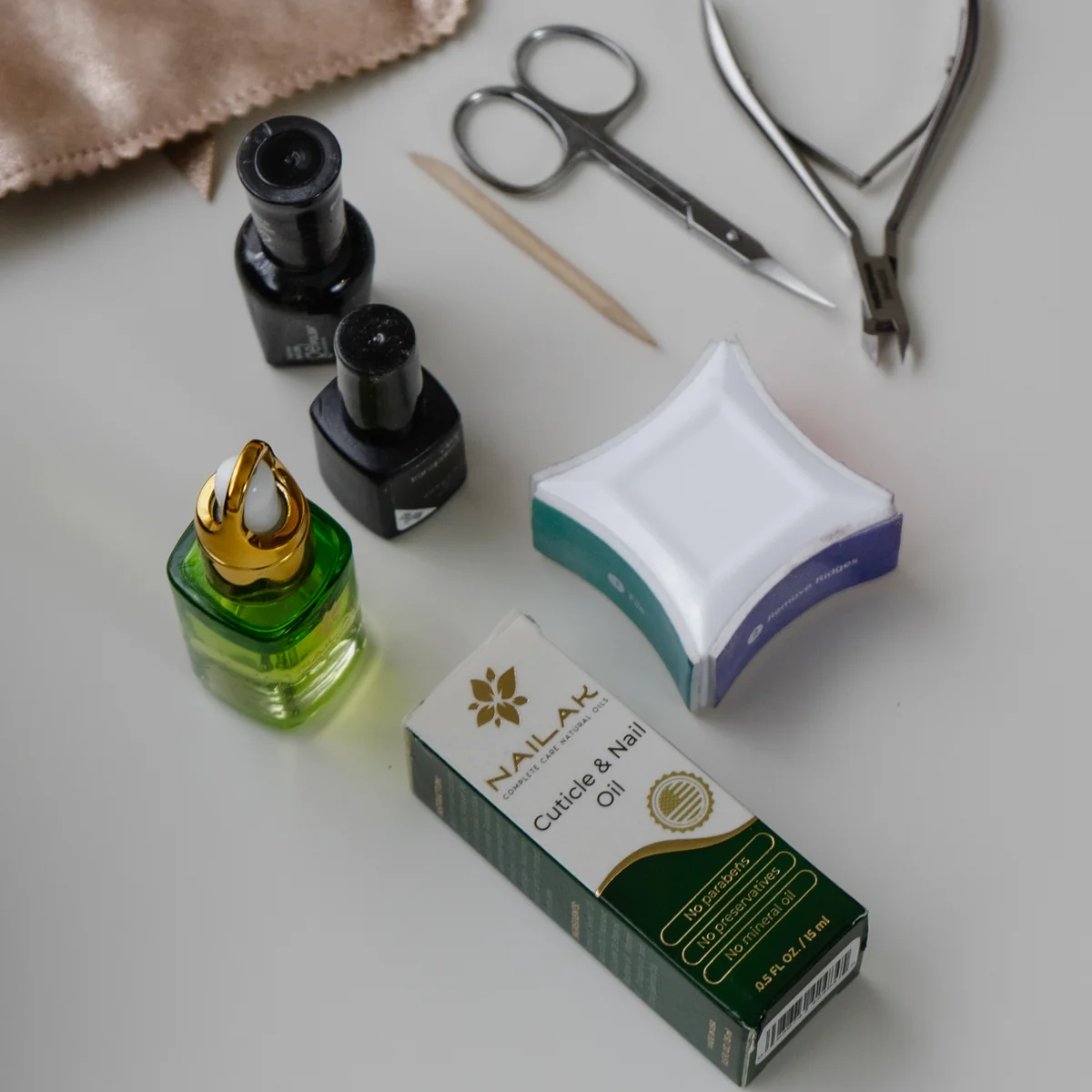
Smart salon choices
A good nail pro protects your nail plate first. Before your next set, have a conversation. Your hands and their work both benefit.
Questions to ask:
- How do you remove dip without scraping?
- What grit do you use for surface prep?
- How long do you soak during removal?
- Can we keep my nails short and minimal for now?
Green flags:
- Tech soaks until product slides off with a gentle orange stick.
- Light touch on the e-file with proper bits and minimal pressure.
- Clear communication about your nail history.
- Recommendations for at-home oil and rest periods.
Red flags:
- Aggressive pushing, prying, or drilling.
- Tell-tale heat from friction on the plate.
- No soak time; immediate scraping.
- You’re rushed or discouraged from asking questions.
The removal ritual to request
- File off topcoat only.
- Wrap nails with acetone-soaked cotton and foil for 10–12 minutes.
- Gently nudge softened product; never force.
- Re-wrap stubborn spots rather than scraping.
- Finish with oil, not just lotion.
This method takes a bit longer, but it saves your nail layers.
At-home care that works
Consistency beats intensity. A few minutes each day transforms the look and feel of fragile nails.
Daily essentials:
- Oil: massage into nails and cuticles morning and night.
- Cream: layer hand cream after oil to seal moisture.
- Gentle cleansing: skip harsh soap; use pH-balanced washes.
Weekly rhythm:
- Remove old base with non-acetone remover.
- Reapply a flexible strengthening base.
- Lightly smooth only what catches.
- Overnight oiling once or twice each week.
Three actionable tips:
- Keep a mini oil pen by your sink and in your bag.
- File after a shower when nails are less brittle.
- Add a protein-rich snack daily—eggs, Greek yogurt, or legumes.
In beauty, repair often mirrors skin care logic. We cycle actives, then we soothe. A recent round-up of retinol serums for radiant skin reminded me how renewal comes from steady, thoughtful routines rather than quick fixes. The same principle applies to nails: gentle exfoliation where needed, plus focused nourishment, wins every time (source: https://wendyrowe.com/beauty/retinol-serums).
Ingredients worth knowing
- Jojoba oil: closest to natural sebum; absorbs quickly.
- Squalane: weightless hydration without greasiness.
- Urea (low percentage): softens rough skin around nails.
- Panthenol: binds water and soothes.
- Keratin peptides: support nail plate resilience.
Avoid:
- Harsh alcohols that strip skin around the nail.
- Strong fragrances if you’re sensitive.
- Metal tools scraping the nail surface.
Safer color alternatives
You don’t have to quit color to protect your nails. Try lighter, more flexible options while healing from nail damage from dipping powder.
Good options:
- Sheer, breathable polishes with a repair base.
- Builder-in-a-bottle gels in very thin layers, removed with care.
- Short-wear manis you change weekly with gentle remover.
- Bare nails with a glossy, nourishing topcoat.
Hacks that help the look:
- Choose soft neutrals and rosy sheers to blur imperfections.
- Keep nails short and rounded to avoid peeling at corners.
- Apply polish to the free edge to “cap” and prevent splits.
If you return to dip powder
- Space appointments 4–6 weeks apart.
- Demand soak-off, not scraping.
- Ask for minimal buffing and a thin application.
- Oil nightly, even while wearing dip.
A calm routine makes a bold color feel effortless again.
Lifestyle shifts your nails feel
Nails reflect your day-to-day choices. Small shifts create visible strength.
Consider:
- Hydration: aim for steady water intake through the day.
- Nutrition: protein, iron, zinc, and biotin support keratin.
- Sleep: recovery happens at night, including nail growth.
- Stress care: meditation or a short walk calms nervous picking.
- Glove love: protect from detergents and cold air.
Five-minute ritual:
- Wash hands with a gentle cleanser.
- Pat dry; press in cuticle oil.
- Massage hand cream from knuckles to wrists.
- Smooth any snags with a glass file.
- Breathe deep. Let the day slow down.
It’s not just about pretty nails. It’s about how you treat yourself when no one’s looking.
Confidence, ritual, and the soft reset
There’s power in the moment you notice a tiny lift on your index finger and choose—not to pick. You pause instead. You reach for oil. You decide to wear a sheer blush this week and let your natural nails breathe. Small decisions like these stack up into resilience.
Nail damage from dipping powder can feel discouraging. But your nails are storytellers. They tell of busy weeks, tapping keys, winter air, and hands that care for others. When you offer them patience, they surprise you with how quickly they rebound. The new growth gleams. The edges stop fraying. Your grip on the steering wheel feels strong again, unbothered by tenderness.
Beauty is momentum. A ritual that serves you should leave you softer, not spent. So let this be your gentle reset. A season of moisture, mindful removal, and kinder color. When you step back into the salon chair, you’ll carry that quiet authority that comes from listening to your body. Your nails, like your confidence, will be steady, glossy, and entirely yours.
Frequently Asked Questions (FAQ)
Q: Does dipping powder permanently damage nails?
A: No, damage is usually temporary and technique-related. Over-buffing and rough removal thin the nail. With a break, hydration, and gentle care, healthy growth returns within weeks.
Q: How long does it take to heal nail damage from dipping powder?
A: Most people see improvement in 14–30 days. Full strength tracks with growth, typically 2–3 months for a complete nail to replace itself.
Q: What are the best ingredients to repair nails after dip?
A: Jojoba oil, squalane, vitamin E, panthenol, and keratin peptides help. Use a flexible strengthening base, not a rigid hardener, so nails can flex without cracking.
Q: Can I keep getting dip manicures if I take breaks?
A: Yes—if you prioritize proper soak-off, minimal buffing, and nightly oiling. Space sets 4–6 weeks apart and opt for thin applications to reduce strain.
Q: How do I remove dipping powder without damage at home?
A: File off the topcoat, then wrap with acetone-soaked cotton and foil for 10–12 minutes. Gently nudge softened product, re-wrap stubborn spots, and finish with oil and hand cream. Never pry.
Estimated word count: 1965