
How to Prep Nails Before Gel Manicure
The kitchen smelled faintly of orange peel and clean cotton. Morning light cut across the table where you were balancing a coffee mug and a tiny pile of nail tools. You’d promised yourself a “quick gel” before the day got loud—just a bit of shine, a soft blush pink, something that made your hands look pulled-together during back-to-back meetings. The playlist was mellow. The world felt manageable.
Then the snags began. A hangnail you’d ignored tugged at your sleeve. Your index nail had a soft peel near the free edge. And despite careful painting, the gel on your ring finger puckered at the cuticle, lifting like a tiny crescent moon. You tried smoothing. You tried curing longer. You tried pretending it would be fine.
By lunch, it wasn’t fine. The glossy layer had bubbled, collecting lint like a magnet. You caught yourself tapping your thumb against your phone case, already counting the hours until you’d be peeling the gel off in a frustrated blur.
Let’s be honest—most gel mishaps don’t start with a shaky hand. They start with rushed prep.
When life is full, it’s easy to skip the unglamorous part: cleansing, shaping, and caring for the nail plate. But here’s the quiet truth you can feel in your fingertips: preparation is the foundation of lasting shine. It’s the difference between baby-smooth edges and snaggy corners, between color that hugs your nail for two weeks and a manicure that chips after two days.
Imagine another morning. The same table. The same cup. Except this time, you slow down. You feel the cool swipe of alcohol cleanse away hand cream. You shape toward the center, not see-sawing. You respect your cuticles—no ripping, no rushing—just a soft push after a warm soak. You dust away every speck of filing. When you finally apply base coat, the product glides and grips. The cure is clean. The shine looks like glass.
This is the power of prep. It doesn’t require a salon suitcase of tools or a pocket of extra hours. It asks for intention, a few right steps, and a small ritual that doubles as self-care. Whether you’re a gel devotee or a curious beginner, learning how to prep nails before gel manicure means fewer chips, healthier nails, and a longer-lasting finish you’ll be proud to show off on Zoom and at brunch.
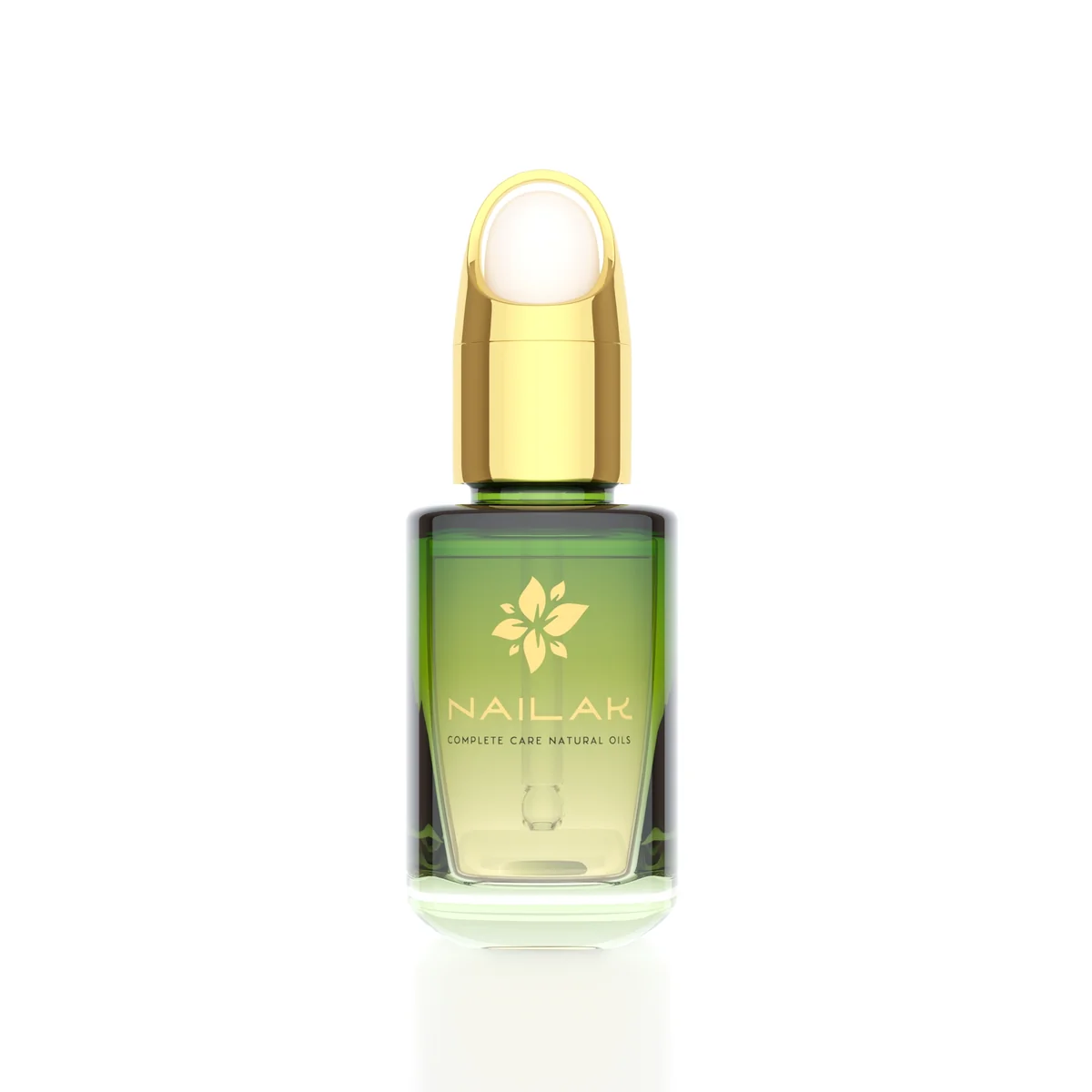
In this guide, you’ll learn the exact steps, tools, and habits that make gel manicures last longer—without sacrificing nail health.
Why prep matters for gel longevity
Gel loves a clean, dry, slightly roughened surface. The base coat bonds best when the nail plate is free of oil, residue, and invisible dust. Skipping prep encourages lifting, bubbles, and peeling, especially near the cuticle and sidewalls.
Think of three forces that fight your manicure:
- Oils: Natural sebum, lotion, and sunscreen pool at the cuticle and linger under the free edge.
- Water: Softens the nail plate and expands it; as nails dry, they contract, causing micro-separation.
- Texture: A glossy or dusty surface interrupts base coat adhesion.
Proper prep answers all three. We remove oil with a dedicated cleanser or isopropyl alcohol. We let nails return to their natural shape after washing dishes or showering before we start. And we create a fine, even texture with a soft file or buffer.
There’s also a health angle. Gentle cuticle care reduces the risk of inflamed skin and hangnails that tempt picking. Clean tools minimize bacterial transfer. And precise shaping can prevent tears that start at the corners.
Most important: prep sets your pace. When you respect the steps, you slow down just enough to avoid the habits that cause damage—like over-buffing or cutting too much skin. Prepping isn’t about perfection. It’s about creating the best possible surface, so the gel can do its job.
Gather your tools
You don’t need a salon drawer. A simple, curated kit is enough.
Essentials:
- Non-acetone cleanser or 70–90% isopropyl alcohol
- Lint-free wipes
- Nail clippers (preferably with a straight edge)
- 180/240-grit nail file
- Fine buffer (220–280 grit, optional)
- Cuticle remover (gentle gel or liquid)
- Cuticle pusher (wooden or stainless steel)
- Soft nail brush or clean makeup brush
- Dehydrator (optional) and acid-free primer (optional)
- Base coat, color gel, and top coat
- UV/LED lamp appropriate for your products
- Cuticle oil
Nice-to-haves:
- Nail dehydrating pads (pre-soaked)
- Mini fan to disperse dust before cleansing
- Silicone manicure mat to keep your space tidy
Before you begin, wash your hands with unscented soap and dry thoroughly. Avoid hand creams right now. If you’ve just showered, wait at least 30 minutes so nails re-harden. Set your tools within reach. Turn on a show or playlist you don’t have to watch. This is a hands-forward ritual.
Step-by-step: How to prep nails before gel manicure
This is your blueprint. Work one hand at a time and don’t rush the transitions.
Step 1: Cleanse and assess
- Wipe each nail with a lint-free pad soaked in alcohol.
- Look closely. Do you have peeling layers? Deep sidewalls? Sensitive skin?
- If your nails are peeling, trim slightly shorter to reduce leverage and potential splits.
- If you wear enhancements, confirm there’s no lifting or separation at the edges.
A clean slate avoids dragging oils into later steps.
Step 2: Shape with care
- Clip only if you need substantial length off. Then file to refine.
- Use a 180/240-grit file. Move in one direction toward the center. Avoid sawing.
- Choose a forgiving shape: soft square, squoval, or short oval often lasts longer.
- Gently seal the free edge with a final, light pass to reduce micro-frays.
You can almost feel the smoothness when your sweater cuff doesn’t catch.
Step 3: Cuticle care, gently
Your cuticle is a thin layer of non-living skin that rides your nail plate. Gel can’t bond to it. But there’s a difference between gentle removal and overzealous trimming.
- Apply a small bead of cuticle remover to each nail. Wait 30–60 seconds.
- Push back with a pusher at a soft angle. Think “nudge,” not “scrape.”
- Lift only the wispy film on the plate. Don’t dig into living tissue.
- If needed, use a precise nipper to trim hangnails only. Stop at pink, healthy skin.
Rinse your hands or wipe with a damp cloth to deactivate remover. Dry completely.
Step 4: Dehydrate, then dust off
Any dust or residue will weaken your base coat.
- Use a soft brush to whisk away debris. Pay attention to sidewalls and the free edge.
- Lightly buff the nail plate with a fine buffer (220–280 grit) if your nails are glossy. Aim for a matte, even surface. Do not over-buff.
- Wipe again with alcohol or nail cleanser. If your nails are naturally oily, add a dehydrator.
- Check the free edge. Dust can hide underneath—wipe there too.
The goal is a crisp, squeaky-clean surface that dries fast.
Step 5: Prime for bonding
This step is optional but helpful for problem nails.
- Apply an acid-free primer sparingly where lifting tends to start: near the cuticle and sidewalls.
- Let it air dry; it should look nearly invisible, not wet or puddled.
Now you’re ready for base coat.
Application tips that make base behave:
- Float, don’t press. Let the brush glide lightly.
- Cap the free edge with the thinnest touch.
- Keep a hairline gap around the cuticle. Gel shrinks slightly as it cures; a clean margin prevents flooding.
- Cure exactly as directed for your lamp and product.
Here’s the secret: perfect prep plus thin, controlled layers equals a durable, glassy finish.

Skin and nail health under the gel
A long-lasting manicure is wonderful, but not at the expense of your nail health. Build small habits that protect the skin barrier and support growth.
- Oil nightly. After top coat has fully cured, massage cuticle oil into the nail folds and under the free edge. Nourishment reduces brittleness and helps the gel grow out gracefully.
- Respect removal. Never peel. Soak with acetone using clips or wraps, or use a gel-friendly e-file if you’re trained. Peeling lifts the top nail layers and makes future gel less stable.
- Cycle smartly. If your nails feel thin, take a one-week “nail rehab” with a strengthening treatment and extra oiling.
A clean beauty routine can be leadership in your own life. Even beyond nails, many women founders say they build longevity by returning to fundamentals—clarity, consistency, and care—rather than chasing quick wins. That mindset mirrors nail prep: slow, steady rituals that create lasting results (source: https://www.newbeauty.com/female-founders-advice/).
What if your nails are weak?
Try a shorter length and a rounder shape to reduce leverage. Use a builder base or rubber base for subtle structure; keep layers thin. Between sets, feed your nails: biotin-rich foods, adequate protein, and hydration. And yes, more oil.
Sensitive skin around the nails?
Patch-test new removers and primers. Choose unscented products. If redness or stinging appears, stop and reassess. Sometimes all you need is a lighter touch.
Troubleshooting: chips, lifting, and peeling
Even with careful prep, life happens. Here’s how to decode the clues and adjust your process.
Lifting at the cuticle:
- Likely cause: residue or cuticle left on the plate, flooding, or under-curing.
- Fix: Spend more time on cuticle removal. Leave a micro-gap at the cuticle. Confirm lamp compatibility and cure times.
Chips at the free edge:
- Likely cause: rough edge, over-filed corners, or unsealed tip.
- Fix: Seal the edge with each coat. Choose a softer shape that reduces corner wear. Avoid tapping nails on hard surfaces.
Bubbles or puckering:
- Likely cause: oils, dust, or thick application.
- Fix: Thorough alcohol cleanse and dust removal. Use thinner coats. Cap but don’t glob the edge.
Peeling layers of the natural nail:
- Likely cause: prior damage from peeling gel or over-buffing.
- Fix: Trim back slightly. Use a mild buffer. Oil consistently. Consider a flexible base and gentler removal next time.
Heat spikes during curing:
- Likely cause: thick layers or a very strong lamp.
- Fix: Apply thinner layers. Flash cure for a few seconds, remove hand to cool, then finish curing.
Three to five actionable tips to implement today:
- Prep in a dry window. Wait 30 minutes post-shower so nails aren’t waterlogged.
- Keep wipes lint-free. Fibers under gel equal micro-bubbles later.
- Match products to your lamp. A mismatched lamp can under-cure even perfect prep.
- Keep coats whisper-thin. Two thin layers beat one thick layer every time.
- Schedule removal. Put it on your calendar so you’re never tempted to peel.
Mindful hygiene and smart salon etiquette
If you’re heading to a salon for gel, your prep knowledge still matters. It helps you advocate for your nails and enjoy a hygienic, relaxing experience.
- Arrive with clean, bare nails. Skip heavy hand cream that day.
- Watch for sanitation. Tools should look clean. Files should be fresh or yours.
- Speak up. If a tech cuts living tissue or you feel uncomfortable heat, say so.
- Ask about product compatibility. Your tech’s lamp should match their gel system.
- Plan your aftercare. Bring cuticle oil in your bag and apply that night.
For at-home gel, create a clean zone. Disinfect reusable tools with appropriate sprays or solutions. Wash brushes occasionally with brush cleaner, not acetone, to preserve bristles. Replace files when they feel dull or fuzzy; a tired file can tear edges.
Small hygiene habits do more than protect your manicure—they protect your peace of mind.
A quiet ritual of confidence
There’s a calm that arrives when your hands look the way you want them to. Not perfect. Just polished, cared for, ready to hold the day. Learning how to prep nails before gel manicure is really about building a steady ritual that protects your time and your energy. Ten extra minutes spent cleansing, shaping, and caring becomes two extra weeks of gloss that doesn’t snag on sweaters or lift at the first dishwashing session.
On busy days, that small certainty matters. Your nails become a reminder that consistency builds beauty, and beauty, in turn, can anchor you. Each smooth stroke, each careful wipe, is a vote for the woman you’re becoming—focused, gentle with herself, and intentionally radiant in the smallest details.
Frequently Asked Questions (FAQ)
Q: How do I prep nails before gel manicure if they’re very oily?
A: Start with a thorough alcohol cleanse, followed by a dedicated dehydrator. Lightly buff to a matte finish with a fine buffer, remove all dust, and use an acid-free primer sparingly near the cuticle and sidewalls. Keep layers thin and avoid lotions before application.
Q: Is it necessary to buff the nail plate every time?
A: Light buffing helps if your nails are naturally glossy or if you experience lifting. Use a very fine buffer and aim for a gentle, even matte—not thinning the nail. If your nails are already textured or fragile, skip buffing and rely on thorough cleansing, dehydrator, and primer.
Q: What’s the healthiest way to remove gel?
A: Never peel. Gently file the top coat to break the seal, then soak with acetone on cotton under clips or wraps for 10–15 minutes, checking as you go. Nudge softened product with a wooden stick. Re-soak stubborn spots rather than scraping. Finish with oil.
Q: Can I apply gel right after a shower?
A: It’s better to wait about 30 minutes. Water softens the nail plate, which expands; as it contracts, gel can lift. Let nails return to their natural state, then cleanse with alcohol and continue your prep.
Q: How often should I oil my cuticles with gel on?
A: Daily, ideally at night. Massage into the nail folds and under the free edge. Consistent oiling reduces brittleness, helps gels grow out smoothly, and keeps surrounding skin supple.
Estimated word count: 1,968 words