
Nail Care for Swimmers: Strong, Chlorine-Proof Tips
The deck is quiet except for the soft slap of water against tile. Your cap gleams neon in the early light, and that familiar, clean scent of chlorine hangs in the air—sharp yet strangely comforting. You pace your breathing at the wall, pull buoy tucked under your arm, toes curling over the edge. The first dive is always a jolt: cool, clarifying, a full-body reset that no to-do list can deliver. Laps become lines of thought. Your day clicks into rhythm.
By the time you climb out, your mind is clear, but your hands tell a different story. Fingers pruned. Cuticles whitish and tight. A tiny snag on your ring nail catches the towel and makes you wince. You smooth it with your thumb, already promising yourself you’ll take care of it later—after the shower, after the emails, after everything. Then you fish your keys from your bag and spot the little pen of cuticle oil you always forget to use.
Let’s be honest: you take exquisite care with your stroke mechanics. Your splits. Your hydration. Yet your nails—the slim, hardworking edge of every catch, the part that touches zippers, goggles, and deck doors all day—are the first to get sacrificed. You notice the signs if you look for them. Nail plates that feel papery. Edges that shred into layers. A faint yellowing under last week’s polish. A hangnail that turns sore.
You don’t need a full salon setup to fix it. You need a swimmer’s plan.
Nail care for swimmers isn’t about babying your hands. It’s about resilience. It’s waterproofing your routine the way you waterproof your gear. It’s small, repeatable habits that stand up to chlorine, salt, sunlight, and long showers. It’s also the tender, five-minute ritual that reminds you your body is not only strong but cared for.
You can almost feel the smoothness after you file properly. The way a good balm sinks in. The tiny glint of a clean, glossy clear coat that makes everything look finished—like making your bed, only for your hands. That feeling, once you design it into your swim days, becomes part of the reason you love showing up.
This is your guide: expert, simple, real. Nail care for swimmers that fits in your pool bag and holds up season after season.
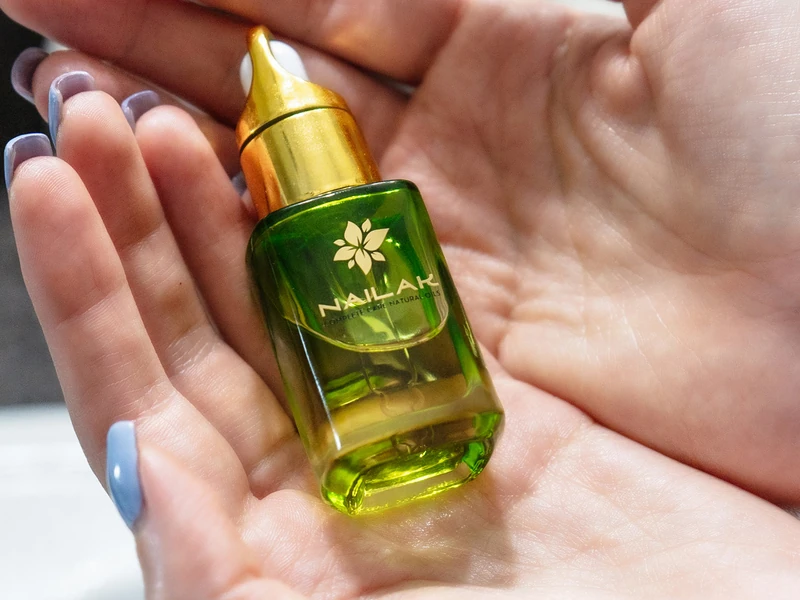
Quick Summary: A swimmer-proof nail routine blends pre-swim protection, quick post-swim recovery, smart shaping, and steady hydration inside and out.
Why swimmers need a different nail routine
Swimming is unique. Your nails cycle through wet and dry states repeatedly. Chlorine, bromine, salt, and sun compound the stress.
- Repeated water exposure swells the nail, then it shrinks as it dries.
- That constant expansion and contraction causes splitting and peeling.
- Chlorine is a powerful oxidizer that strips natural oils from the nail and skin.
- Deck life—grips, gear, and towels—adds friction.
The result? Nails that fray, stain, or break more easily than your land workouts demand.
What chlorine and salt do
- Chlorine: Oxidizes and dehydrates. It roughens the nail’s surface and can yellow light polishes.
- Saltwater: Pulls moisture out osmotically, then leaves a gritty residue. Less chemical stress than pools, but still drying.
- UV exposure: On pool decks, UV accelerates color fade and can make polishes brittle.
This trio makes resilience—not perfection—the goal.
Fingernails vs toenails
- Fingernails: More water contact and towel friction. Cuticles dry out fast. If you wear gels or acrylics, lifted edges can trap water.
- Toenails: Prone to trauma from fins or tight shoes. Warm, damp change rooms increase fungal risk. Keep toenails trimmed and dry well between toes.
Nail care for swimmers respects both. The routine differs slightly, but the principles match: protect, rinse, restore.
Pre-swim protection rituals
Think of pre-swim as prep for a long day outdoors. You don’t skip sunscreen; don’t skip nail armor either.
Before you hit the water
- Seal with oil or balm
- Massage a thin layer of cuticle oil or balm into nails and cuticles.
- Look for jojoba, squalane, or sweet almond oil; they’re light and sink in well.
- Bonus: A waxy balm (with beeswax or lanolin) adds a water-resistant seal.
- Apply a clear, protective base
- If you wear polish, choose a quality base coat that prevents staining.
- If you go bare, a breathable clear coat still acts as a barrier.
- Avoid hardeners with formaldehyde or formalin; they can make brittle nails more brittle.
- Short, smooth shape
- Keep tips short to reduce snagging on caps, suits, and towels.
- File in one direction with 240–320 grit. No sawing.
- Don’t skip sunscreen—but wipe residue
- Sunscreen can soften or cloud certain polishes.
- After applying to hands, wipe nails with a clean tissue to remove excess.
- Pack a tiny nail kit
- Cuticle oil pen, mini 240-grit file, and a small balm.
- Tuck it in a resealable bag in your swim tote.
If you wear gels or acrylics
- Choose soak-off gels that flex; steer clear of thick, rigid overlays if you’re in water daily.
- Book maintenance every 2–3 weeks to avoid lifting edges that trap moisture.
- Ask for gentle prep. Over-buffing thins nails and increases peeling later.
- After gel removal, take at least one week to rehydrate with oils and creams before reapplying.
Post-swim recovery for nails
This is where nail care for swimmers really wins: quick, simple, consistent.
The 10-minute reset
Right after your swim:
- Rinse with fresh water
- Rinse hands and feet thoroughly for at least 30–60 seconds.
- Use a gentle, fragrance-free cleanser to remove chlorine or salt.
- Optional quick neutralizer
- If your pool has hard water or you notice stubborn residue, do a brief dilute vinegar rinse (1 teaspoon white vinegar in 1 cup water) for 30 seconds, then rinse again. This helps with mineral deposits and odor.
- Pat, don’t rub
- Pat nails dry with a soft towel. Rubbing frays edges and irritates cuticles.
- Oil, then cream
- Massage a drop of cuticle oil into each nail and the surrounding skin.
- Seal with a hand cream rich in glycerin, urea (5–10%), or ceramides.
- Smooth any roughness
- If an edge feels sharp, a few gentle strokes with a fine file prevent later tears.
This takes less time than drying your hair—and saves you from splits later.
Weekly deep care
Clarifying soak (10 minutes, once a week)
- Bowl of lukewarm water with a teaspoon of gentle cleanser.
- Soak, pat dry, then oil and cream. Avoid long soaks daily; keep this weekly.
Overnight occlusion
- Slather on a thicker balm or cream, then slip on cotton gloves.
- Wake to softer cuticles and stronger-feeling nails.
Smart trimming
- Trim toenails straight across to prevent ingrowns, especially if you use fins.
- For fingernails, keep a softly rounded shape to minimize catches.
Polish reset
- Give your nails 24–48 polish-free hours each cycle.
- During the break, oil three times a day.
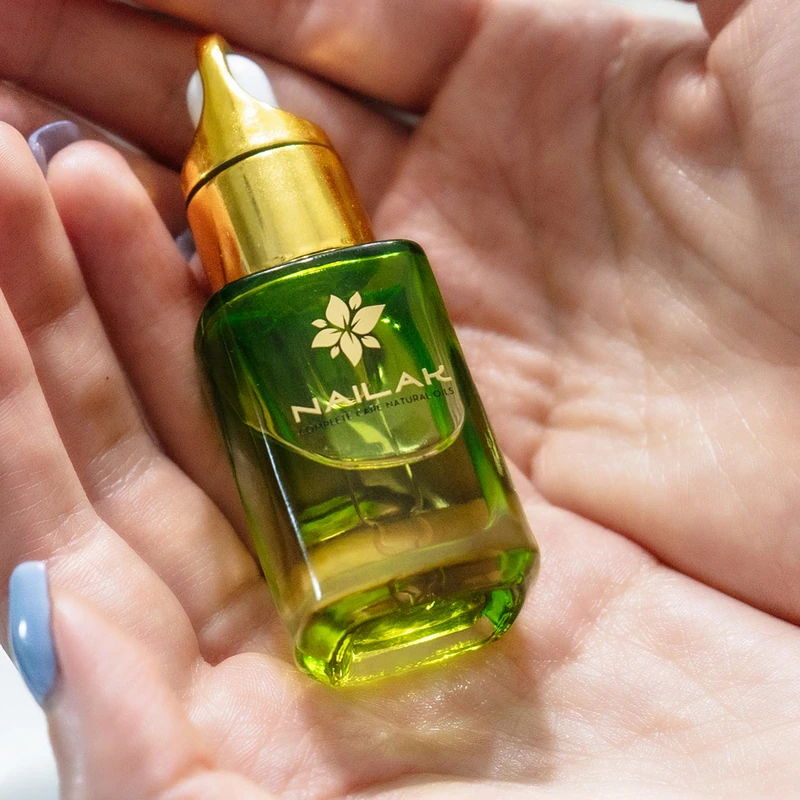
Stronger nails through nutrition and habits
Surface care matters, but resilience is also built from within.
Nutrients that matter
- Protein: Nails are keratin. Aim for a source at every meal.
- Iron and B12: Deficiency can show up as ridges and slow growth. If you suspect deficiency, talk to your clinician.
- Biotin: Helpful if you’re deficient, but megadoses aren’t necessary for most. Focus on food sources like eggs, legumes, nuts.
- Omega-3s: Support skin and cuticle barrier health.
- Zinc: Supports repair. Include beans, seeds, and seafood.
Consider a balanced, food-first approach. If supplements appeal, ask your healthcare provider about appropriate doses.
Hydration, inside and out
- Hydrate steadily through the day, not just at the pool.
- Add electrolytes if you’re training hard or in the heat.
- Use a humidifier at night in dry climates to reduce overnight dehydration.
Tiny habits also matter:
- Wear flip-flops in locker rooms and showers.
- Disinfect files and clippers weekly.
- Don’t pick at peeling layers; file them smooth and oil.
- Change socks after pool sessions if you linger in deck shoes.
In a world of endless Zooms and packed schedules, micro-rituals help you feel grounded. Even a one-minute nail oil moment after a stressful meeting can reset your mood before workout time. A recent lighthearted post captured the feeling of too many video calls and the stress that creeps in, reminding us that small acts of self-care buffer demanding days (source: https://makeupandbeautyblog.com/just-for-fun/sundays-with-tabs-the-cat-makeup-and-beauty-blog-mascot-vol-878/).
Swimmer-friendly manicures and tools
The right tools and finishes make nail care for swimmers easier day to day.
Shape and file
- Choose 240–320 grit for everyday shaping; coarser grits can shred.
- File dry nails only. Wet filing can cause peeling.
- Shape into a short oval or squoval to reduce snags.
- Buff lightly if desired, but keep it gentle. Over-buffing thins nails.
Polish and enhancements
- Base coat: A stain-blocking base prevents yellowing from chlorine and pigments.
- Color: Mid-tone shades mask subtle discoloration; very pale shades may show yellowing.
- Top coat: Reapply every 2–3 days to maintain a seal.
- Gel polish: Long-wearing, but be meticulous with cuticle oil. Insist on soak-off removal; no scraping.
- Acrylics/hard gels: Not ideal for daily swimmers due to lifting risk. If you love them, keep them thin and well-maintained.
Tip: If polish chips quickly, try a dehydrating prep step on the nail plate (alcohol swipe), but follow with rich aftercare post-swim to rehydrate.
Your poolside kit
- Cuticle oil pen or mini balm.
- Fine-grit glass or crystal file.
- Travel hand cream with glycerin and urea.
- Resealable pouch to keep it dry and clean.
Optional for open-water or cold swims:
- Thin neoprene gloves can protect skin in frigid conditions. Remove promptly and dry hands thoroughly.
Troubleshooting common pool nail issues
Nails tell stories. Here’s how to decode and fix them.
Yellowing or stains
- Cause: Pigmented polishes, chlorine, and UV.
- Fix:
- Sweep nails with a non-acetone remover, then oil.
- Do a brief lemon or vinegar swipe once a week, followed by cream.
- Use a stain-blocking base under color.
- Prevention: Reapply top coat every few days. Wear UPF gloves on deck if sun is intense.
Peeling and splits (onychoschizia)
- Cause: Wet-dry cycles, harsh removers, over-buffing.
- Fix:
- Keep nails short; file in one direction.
- Switch to non-acetone remover for regular polish changes.
- Oil twice daily; add a ceramide-rich hand cream.
- Prevention: Barriers pre-swim. Avoid metal tools that pry at layers.
Green nails or fungus
- Green nail discoloration often points to a bacterial issue (commonly Pseudomonas) under lifted enhancements.
- Fungal infections are more common in toenails, particularly with shared wet areas.
- What to do:
- Remove polish/enhancements to inspect the nail.
- Keep the area dry and avoid occlusive coverings.
- See a healthcare provider for diagnosis and treatment. Don’t self-treat worsening infections.
Brittle, breaking edges
- Cause: Dehydration from chlorine and sun.
- Fix:
- Add overnight occlusion with balm and cotton gloves 2–3 nights a week.
- Try a nail strengthener without formaldehyde or toluene sulfonamide resin.
- Increase protein and omega-3 intake.
Toenail trauma from fins
- Cause: Repetitive pressure and micro-collisions.
- Fix:
- Trim toenails straight and short. Smooth corners gently.
- Ensure fins fit; use neoprene fin socks if needed.
- Rest if you see bruising; dark discoloration under the nail warrants monitoring or medical advice.
Pro tip: Separate your swim tools and home tools. A small, disinfected kit in your swim bag prevents cross-contamination.
A ritual that returns you to yourself
Strength in the pool starts with rhythm. So does strength in your nails.
Think of this as choreography you can rely on: oil before you swim, rinse and restore after, shape and seal midweek. It’s a light routine, not a burden. Five minutes that gives you ten back because you aren’t babysitting snags or hiding yellowing polish before a meeting.
The real gift is the feeling. When your hands look cared for, you move through the world with quiet ease. You grip lane ropes, type emails, and zip jackets without catching on a rough edge. You notice that the tiny bottle of oil in your bag turned into a daily promise: I train hard, and I care gently.
That balance is the point. Nail care for swimmers is not vanity. It’s maintenance for the parts of you that carry wonder into the water and warmth back out. It’s confidence, pared down and portable, like the way a perfect streamline feels—simple, strong, and all yours.
Estimated word count: ~1960
Frequently Asked Questions (FAQ)
Q: What’s the best daily routine for nail care for swimmers? A: Keep it simple: oil cuticles before swim, rinse well after, pat dry, apply oil again, and seal with a glycerin- or urea-rich hand cream. File only when dry, and keep nails short and smooth.
Q: Can I wear gel polish if I swim every day? A: Yes, but choose soak-off gels, avoid over-buffing, and be diligent with cuticle oil twice daily. Schedule regular removals and give nails a one-week hydration break between gel cycles.
Q: Which ingredients should I look for in a hand cream? A: Glycerin and urea attract water; ceramides and shea butter help seal it in. For very dry skin, a balm with beeswax or lanolin creates a more water-resistant barrier.
Q: How often should I change my polish to prevent yellowing? A: Every 7–10 days is a good rhythm. Use a stain-blocking base coat and give nails 24–48 polish-free hours each cycle with extra oiling.
Q: What’s the safest way to fix a peeling nail edge? A: File gently in one direction with a fine-grit file until smooth. Do not peel layers. Follow with cuticle oil and a protective clear coat to reinforce the edge.