
Nail Care for Nurses: Strong, Clean, Calm Hands
The clock above the nurses’ station hums in the quiet that happens just before the first alarms of day shift. A single fluorescent light flickers at the end of the corridor, casting a pale ribbon across your scrubs and the clipboard under your arm. You peel off your fifth pair of gloves in as many minutes, and sanitizer bites the raw edge of a frayed cuticle you meant to fix days ago. It’s small, but it stings. You flex your hands and notice how the skin across your knuckles feels stretched, almost papery. Your nails look clean, short, and safe—just how the job demands. But they’re also rough, dull at the tips, and the skin around them is tight from all the scrubbing.
Two rooms down, your patient is finally sleeping. You pause just long enough to breathe and glance at your hands again. They carry the weight of everything you do—lifting, checking, soothing, charting—often in the space of a single minute. Nurses’ hands touch hope and worry, and keep rhythm in the middle of chaos. It’s no wonder nail care for nurses gets bumped to the bottom of the to-do list.
Still, there’s something powerful about hands that feel cared for. Not polished and perfect—this is not that season. But comfortable, smooth, and strong. Hands that don’t snag in gloves or split at the slightest scrape. Hands that let you hold a frightened palm without the distraction of a hangnail. Maybe that’s why, on mornings like this, a quiet ritual—a thin layer of oil massaged into the cuticles, a quick pass of a buffer to take down a ridge—feels like more than grooming. It’s a reminder. You deserve gentleness, too.
Let’s be honest: the guidelines are strict for good reason. Your patients come first. Short nails, no chips, often no polish at all. Gel and acrylics are usually off the table. Handwashing is constant, and alcohol-based sanitizer is practically an accessory. That doesn’t mean your nails must suffer. With a few shift-smart habits, infection-safe tools, and product picks that withstand the scrub-sanitize-glove cycle, your nails can be neat, resilient, and blissfully snag-free.
You can almost feel the difference already—no sting after sanitizer, no tiny torn edges that catch under nitrile. Just clean, low-maintenance nails that reflect the expert you are. Let’s build a routine that works as hard as you do, and still feels like care.
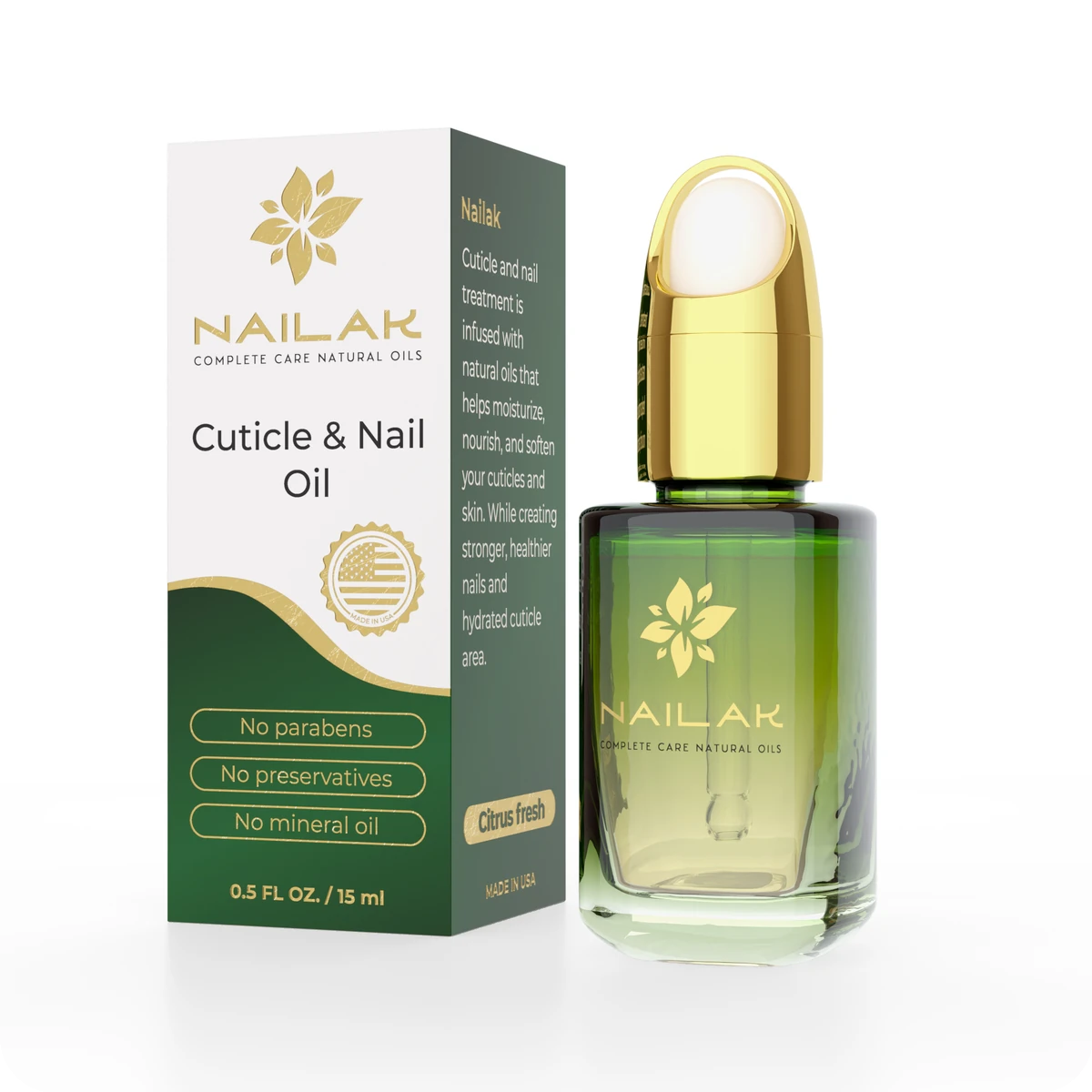
Quick Summary: Nail care for nurses is about safe length, gentle cuticle care, deep hydration that survives constant washing, and simple, policy-friendly rituals that keep hands strong and comfortable through every shift.
Why nurse nails need special care
Nursing changes how you use your hands. It also changes what your nails face every day.
- Frequent handwashing strips natural oils from nails and skin.
- Alcohol-based sanitizer dehydrates the nail plate and cuticle.
- Glove friction creates micro-tears and lifts hangnails.
- Constant typing, lifting, and tapping blunt the free edge.
- Policy constraints limit polish and artificial enhancements.
The combination leads to dryness, brittleness, and rough edges. Those rough edges aren’t just cosmetic. They can tear gloves, snag fabric, and invite more splits. It’s a cycle: more washing, more drying, more damage.
Here’s the good news: your nails can thrive in this environment with a targeted approach. The key is prevention. Keep the nail short and smooth. Feed moisture back, fast and often. Protect the barrier around the nail. And choose tools that support infection control.
The nurse nail rulebook
Every facility has its own policy. Most share these standards:
- Nails trimmed short with rounded or squoval edges.
- No acrylics or hard gels; no nail art.
- No chipped polish; many units restrict polish altogether.
- No cutting cuticles; hangnails removed carefully with clean tools.
- No long nails under gloves, ever.
Check your unit’s policy and local infection-control guidelines. If in doubt, keep it simple and clear.
Infection-safe length and shape
Short and smooth wins every time.
- Length: Keep nails no longer than the fingertip. If you can see the free edge when palms face you, it’s time for a trim.
- Shape: Choose squoval (square with rounded corners) or a soft round. These shapes reduce snagging and distribute pressure.
- Edge: After clipping, use a fine-grit file (240+ grit) in one direction. Gentle strokes reduce micro-fractures.
- Surface: Buff lightly to smooth ridges, not to shine. Over-buffing thins the nail.
Professional tip: Set a repeating reminder—every 5–7 days—to file edges and check for snags. Small, regular maintenance prevents bigger breaks.
Safe hangnail removal
- Soften first: Apply a drop of cuticle oil or petroleum jelly. Let sit a minute.
- Sterilize trimmers: Clean with alcohol and allow to dry.
- Trim just the snag: Don’t cut live tissue. Follow the hangnail’s edge closely.
- Seal: Dab a protective ointment after trimming.
Think of this as snag control. Minimal, precise, and safe.
Hydration that survives handwashing
Here’s the secret: water alone doesn’t hydrate; it hydrates and then evaporates, taking your skin’s moisture with it. Your routine must add humectants (to draw water) and occlusives (to trap it).
The Hand Cream Strategy:
- Step 1: Humectants, like glycerin and hyaluronic acid, pull in moisture.
- Step 2: Barrier lipids, like shea butter, squalane, or ceramides, seal it.
- Step 3: Lightweight oils (jojoba, sunflower) mimic skin’s natural sebum.
How to apply on shift:
- After every wash: While hands are slightly damp, apply a pea-sized amount of barrier cream. Rub across nails, cuticles, and knuckles.
- Before gloves: Use a fast-absorbing, non-greasy formula. Avoid overly slippery textures.
- During charting: Press a cuticle oil pen along nail folds. It absorbs quickly and won’t mark paper.
Ingredients to love:
- Glycerin: Powerful, non-sticky hydration.
- Urea (2–5%): Softens rough patches and boosts moisture.
- Shea butter: Long-lasting occlusive comfort.
- Squalane: Lightweight, non-comedogenic oil that sinks right in.
- Niacinamide: Supports the barrier and calms redness.
Ingredients to skip at work:
- Heavy fragrance that may irritate patients.
- Menthol or eucalyptus on compromised skin.
- Sticky gels that leave residue inside gloves.
Overnight repair routine
Nights are when nails restore.
- Wash with a gentle, fragrance-free cleanser.
- Apply a humectant-rich hand serum or thin lotion.
- Seal with a thicker cream or ointment over cuticles and knuckles.
- Slip on thin cotton gloves for 30–60 minutes. Heat helps deeper absorption.
Do this two to three nights a week and watch your cuticles soften and splits decrease.
Smart cuticle care under PPE
Cuticles are your nails’ natural seal. Cutting them regularly opens a path for irritation. Opt for care, not removal.
- Soften, don’t sever: Use a cuticle softener or just warm water.
- Push, don’t cut: With a silicone pusher, gently nudge the cuticle back.
- Trim only hangnails: Never remove the entire cuticle line.
- Oil as armor: A thin film of oil or balm before bed protects the seal.
On-shift micro-rituals:
- Keep a rollerball oil or balm in your pocket.
- Swipe once per hand during long charting sessions.
- Rub the nail folds—the skin at the sides of the nails.
- Breathe. Yes, that counts as care.
Let’s be honest, this is about two minutes a day total. The payoff is fewer snags and less stinging after sanitizer.
Shift-proof, polish-free shine
Many nurses can’t wear polish. If clear is permitted on your unit, ensure it’s breathable and never chipped. If not, you can still get a healthy glow.
- Glass or crystal file: These smooth the free edge to a satiny finish.
- 3-way buffer: Use the lightest grit to blur ridges. Stop before the high-shine step if policy is strict.
- Oil + tissue buff: Massage a drop of oil, then buff gently with a soft tissue. It’s a subtle sheen, not a gloss.
- If clear coat is allowed: Pick fast-drying, water-permeable formulas and remove at the first sign of chipping.
In beauty, “skin-first” is trending—products that act like skincare with cosmetic benefits. Even in makeup, innovations pair protection and hydration with performance, turning basics into multi-taskers. That spirit is perfect for nurses who need streamlined, effective routines in busy lives. (source: https://janeiredale.com/blogs/makeup-blog/introducing-skintuition-spf-30-radiance-boosting-liquid-foundation-a-clean-beauty-weightless-coverage-foundation-with-skincare-benefits)
Snag-prevention toolkit
Build a tiny kit you won’t mind carrying:
- 240+ grit mini file or glass file
- Cuticle oil pen or rollerball
- Alcohol wipes for tools
- Travel-size barrier cream
- Tissue or soft cloth for quick buffs
Use it between tasks. Sixty seconds can save a glove from tearing later.
Quick fixes at work, deeper care at home
Different settings call for different strategies.
At work:
- Wash with lukewarm water, not hot.
- Pat, don’t rub, to dry thoroughly—especially between fingers.
- Moisturize when hands are still slightly damp.
- Handle snags early with a sterile trim.
At home:
- Weekly tidy: File, smooth, and oil. Ten minutes is plenty.
- Sunday soak: Two minutes in warm water with a drop of gentle cleanser. Dry well, then oil.
- Mask your hands: Apply a thick layer of cream and wrap in a warm towel for five minutes.
A realistic rhythm:
- Daily: Moisturize 5–8 times, oil cuticles 1–3 times.
- Weekly: Shape and buff once.
- Monthly: Assess tools, replace worn files, refresh your kit.
Actionable tips you can start today
- Keep nails shorter than the fingertip with soft, rounded corners.
- After every wash, apply a glycerin-rich cream while still slightly damp.
- Use a cuticle oil pen during charting to prevent hangnails.
- Carry a fine-grit mini file to stop snags before they tear.
- Do a 10-minute Sunday reset: file, oil, and a thicker night cream.
Ingredients that love busy nurse hands
Your time is tight. Let ingredients do the heavy lifting.
- Glycerin: The workhorse humectant; non-greasy, glove-friendly.
- Panthenol (Pro-Vitamin B5): Soothes and supports the barrier.
- Ceramides: Help repair dryness from frequent washing.
- Allantoin: Calms irritation and softens rough skin.
- Urea (2–5%): Gently exfoliates while deeply hydrating.
- Squalane: Light oil that absorbs fast and resists oxidation.
If your unit allows a clear coat:
- Look for “water-permeable” or “breathable” formulas.
- Avoid strong solvents if your nails are sensitive.
- Remove polish weekly to inspect nails and prevent buildup.
Tools worth having
- Glass nail file: Gentle and long-lasting.
- Silicone cuticle pusher: Softens approach without scratching.
- Precision nippers: Only for hangnails; keep them sanitized.
- Cotton gloves: For overnight repair sessions.
- Pump-top hand cream: Easy one-hand use at your station or nightstand.
When nails need extra support
Sometimes nails signal they need more help.
- Peeling layers: Reduce buffing, switch to a strengthening oil with phospholipids, and protect with a breathable clear coat if allowed.
- Persistent splits: File more frequently with minimal pressure; seal edges with oil nightly.
- Extremely dry cuticles: Try an overnight occlusive like petroleum jelly over oil.
- Redness or pain: Pause any actives, simplify to fragrance-free basics, and check in with your healthcare provider if symptoms persist.
Nutrition and habits also matter:
- Hydration: Aim for consistent water intake across your shift.
- Balanced meals: Protein, iron, zinc, biotin-rich foods support nail growth.
- Gloves off break: When safe, let hands breathe for a few minutes.
A note on enhancements and gels
Many facilities restrict artificial nails and long-wear gels due to infection-control standards. If your unit allows structured overlays or gels:
- Keep them short and smooth.
- Avoid thick edges that can lift or trap moisture.
- Prioritize removal methods that minimize filing and acetone exposure.
When in doubt, go natural and neat.
Confidence, care, and quiet rituals
There’s a particular calm that comes from hands that feel ready. Not runway-ready—nurse-ready. Clean, short, smooth. Cuticles soft enough that sanitizer doesn’t sting. Nails even enough that gloves slide on like silk. It’s a quiet confidence, the kind you carry into a room before words do.
Nail care for nurses isn’t another chore—it’s a practical kindness. The minute you spend massaging oil into a ragged edge, the tiny kit you keep in your pocket, the bedtime layer of cream that softens tomorrow’s shifts before they start—these are acts of respect for the body that carries your work. And when your hands feel cared for, you meet the day differently. You lift, check, soothe, chart, and hold with an ease that comes from strength and softness working together.
Let your nail routine be a boundary and a balm. A reminder that you can do demanding things and still deserve gentleness. Your hands already know the rhythm of giving. It’s okay to teach them the rhythm of receiving, too.
Frequently Asked Questions (FAQ)
Q: What is the best nail length for nurses? A: Keep nails at or just below the fingertip with a soft round or squoval edge. This minimizes snags, reduces glove tears, and aligns with most infection-control policies.
Q: Are gel or acrylic nails safe for nurses? A: Many facilities restrict gels and acrylics due to infection-control concerns. If your unit allows them, choose short, smooth enhancements and ensure meticulous hygiene. When unsure, go natural and neat.
Q: How can I prevent hangnails during long shifts? A: Hydrate the nail folds frequently with a cuticle oil pen, avoid cutting the entire cuticle, and trim only true hangnails with sanitized nippers. A glycerin-rich hand cream after every wash helps prevent the dryness that leads to hangnails.
Q: What ingredients should nurses look for in hand creams? A: Look for glycerin, ceramides, shea butter, squalane, panthenol, and urea (2–5%). These hydrate deeply and support a strong skin barrier without leaving a slippery film.
Q: How often should I moisturize at work? A: Aim for after every wash or sanitizer use, using a fast-absorbing, glycerin-rich cream. Add a swipe of cuticle oil 1–3 times per shift during charting or breaks for extra protection.
Estimated word count: 1990