
Nail Care for Winter Dryness: Soft, Strong, Shiny
The first cold snap always sneaks up on you. One week you’re tapping away with glossy, resilient nails; the next, your cuticle snags a wool cuff and a tiny split appears at the corner of your thumbnail. You press the edge down, hoping it behaves through your morning commute. Outside, your breath turns to cloud, and your hands hide deeper in your sleeves. Inside, the radiators hum. Your skin sips warmth and loses moisture at the same time.
By lunchtime, you can see it: a pale, chalky look along the free edge. A ridge you hadn’t noticed stands out under office light. Pumping hand sanitizer before a meeting, you wince. It stings the tiny cracks on your index finger. You rub in a dab of hand cream, but it disappears in a blink.
Back home, the kettle sings. You wrap your hands around the mug, letting the steam kiss your knuckles. You reach for a tiny bottle of cuticle oil and watch a glossy drop hug the base of your nail. You massage it in slowly, like you’ve promised yourself you would, and suddenly the day feels lighter. It’s in these quiet, five-minute rituals that winter starts to feel kinder. Because while cold weather brings dry air and hard water, it also invites gentler habits. Nail care for winter dryness isn’t just about products; it’s about attention. It’s remembering your hands deserve the same softness you offer everyone else.
If you’ve ever peeled off a gel because it lifted or torn a cuticle because it caught, you know the spiral. brittle nails, more snagging, more breakage. The good news? You can stop the cycle. A few science-backed tweaks do wonders. From the right oils to smarter removal, you can coax back strength, shine, and that satisfying glassy-smooth feel.
So pour another cup. Pull your hand cream a little closer. Let’s make winter the season your nails actually thrive.
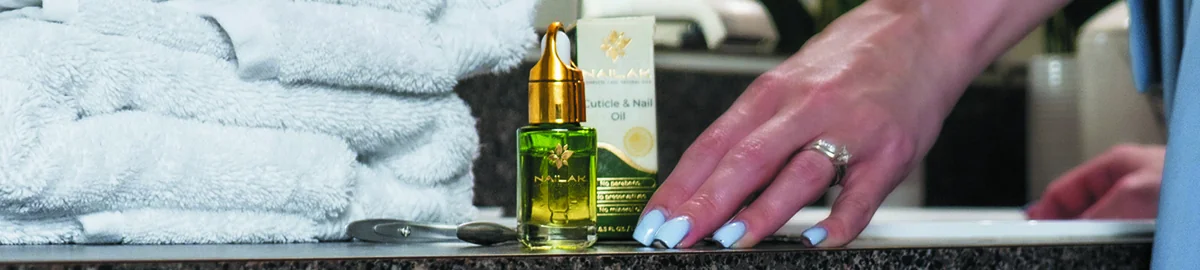
Quick Summary: Nail care for winter dryness comes down to replenishing moisture, protecting your nail plate and cuticles, and building small, smart rituals that fit real life.
Why winter steals moisture from nails
Winter is a moisture thief. The culprit is a double hit: low outdoor humidity and indoor heating. Together, they speed up transepidermal water loss—yes, from your hands and from your nails.
Nails aren’t living tissue at the surface, but they still hold water. In a healthy state, the nail plate contains around 10–30% water. When the air is dry, that water evaporates faster. Nails become harder, more brittle, and more prone to splitting or peeling.
Add frequent washing and sanitizers, and you strip lipids from the nail’s surface and the surrounding skin. Those lipids help trap water. Once they’re gone, hydration can’t hang around.
Typical winter stressors:
- Low humidity: less water in the air, more water leaving your nails.
- Indoor heat: accelerates evaporation.
- Hot water: softens keratin temporarily, then over-dries as it cools.
- Detergents and alcohol: dissolve oils that protect your nail barrier.
- Gloves forgotten at the sink: long dish sessions swell and dehydrate nails.
The result is familiar: chalky-looking tips, peeling layers (onycholysis can risk if trauma persists), fraying cuticles, and polish that chips faster because the foundation is stressed.
The science of nail hydration
Great nail care for winter dryness starts with ingredients that work. The nail plate is tightly packed keratin with less lipid than skin, so what you apply needs to grab water, smooth the surface, and lock moisture in.
Here’s the trifecta.
Humectants: pull water in
Humectants attract and hold water. In nails and cuticles, look for:
- Glycerin: classic, effective even at low concentrations.
- Propanediol: humectant that also helps other ingredients penetrate.
- Urea (5–20%): humectant and gentle keratolytic; softens thickened cuticles and smooths rough edges.
- Lactic acid (AHA, low percentages): hydrates and lightly refines; avoid on open splits.
These ingredients help rehydrate dried keratin so it becomes more flexible and less breakable.
Emollients: smooth the surface
Emollients fill tiny gaps and soften. They make nails feel sleek and reduce snagging.
- Jojoba oil: biomimetic wax ester; penetrates well, great for cuticles.
- Squalane: light, non-greasy, supports suppleness.
- Shea butter: cushiony and soothing for the surrounding skin.
Occlusives: seal it all in
Occlusives form a barrier film to keep that moisture from leaving.
- Petrolatum: the gold standard for locking in hydration.
- Lanolin: excellent occlusive/emollient; patch test if sensitive.
- Beeswax: adds a breathable seal, especially in balms.
Pro tip: Layer like skincare. Humectant first (a serum or lotion), emollient next, occlusive last—especially at night.
A note on nail strengtheners
Many “strengtheners” rely on formaldehyde or formalin derivatives. These can temporarily harden nails but increase brittleness with repeated use. Instead, choose flexible base coats with nylon fibers, nitrocellulose, or plasticizers designed to add bend without snap. They support the nail while it rehydrates.
Daily nail care for winter dryness
Let’s build a simple routine that fits real life. No spa appointment needed.
Morning (one minute)
- Massage a drop of cuticle oil around each nail after handwashing. Choose a blend with jojoba, squalane, and a bit of vitamin E.
- Follow with a glycerin-rich hand cream. If you’ll be outside, a protective balm over knuckles and nail edges helps.
After each wash (20 seconds)
- Blot hands instead of rubbing.
- While skin is still damp, apply a pea-size of hand cream, focusing on nail folds.
- Keep a mini tube at every sink.
Night (three minutes)
- Apply a humectant hand serum or urea 10% lotion over hands and nail plates.
- Seal with a heavier cream or a thin layer of petrolatum on nail edges.
- Slip on cotton gloves for 20 minutes if you can. Heat helps ingredients sink in.
Weekly reset (10 minutes)
- Soak fingertips in a warm oil bath: mix 1 tablespoon jojoba with 1 teaspoon olive oil and one drop of lavender. Five minutes only.
- Push back cuticles gently with a soft towel—never cut aggressively.
- Smooth snags with a 240–320 grit file. File in one direction to prevent peeling.
- Apply a flexible base coat, then polish if you like.
Tiny habits that matter
- Put gloves by the sink and in your coat pocket. Wear them for dishes and cold walks.
- Switch to a hydrating hand soap. Look for glycerin, aloe, or oat.
- Choose a sanitizer with glycerin or propylene glycol. It’s less stripping.
- Drink water. Nails benefit from your internal hydration, too.
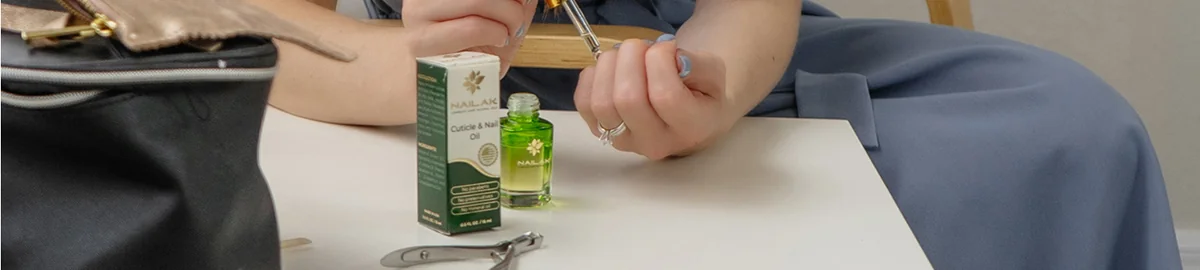
Smart polish and removal choices
Polish can protect nails—if you use it wisely. Removal is where many of us lose ground.
Choose the right base and top
- Base: Pick a flexible, strengthening base coat without formaldehyde. Nylon or silk-fiber formulas add reinforcement.
- Top: A cushiony, quick-dry topcoat reduces chips, so you file less often.
Color breaks and timing
- Wear polish for 5–7 days, then rest bare with oil for 24 hours before repainting.
- Avoid picking. If an edge lifts, file it smooth and reseal with topcoat.
The remover reality
- Pure acetone is efficient but dehydrating. If you use it, work fast:
- Oil the surrounding skin first.
- Use saturated pads, not prolonged soaks.
- Wash hands, then rehydrate immediately: humectant lotion + oil + occlusive.
- Non-acetone removers can be gentler but may require more rubbing. Pick options with added oils or glycerin.
Here’s a counterintuitive tie-in: waterproof eye formulas often demand stubborn removers that can travel from cotton pad to fingertips. One recent review found a waterproof mascara smudged yet remained hard to remove—proof that “waterproof” can mean more effort for your hands. If you use such products, clamp cotton to lashes without touching your nails, and wash hands after makeup removal. (source: https://matejasbeautyblog.blogspot.com/2026/03/rimmel-london-scandaleyes-wow-wings.html)
Gel and soak-off strategies
- Limit acetone soaking time with the foil-and-cotton method and warmed mitts to speed lift.
- Never pry. Lifting layers traumatizes the nail plate and worsens winter brittleness.
- Ask your tech for a gentle e-file approach or manual removal on low pressure.
- Between gel sets, take a one-week oil-rich break.
Nutrition and supplements for nail strength
Topicals help, but nails grow from within. Support the matrix and you support the future nail.
Build with protein
Keratin is protein. Ensure enough in your meals:
- Eggs, Greek yogurt, tofu, lentils, chicken, fish.
- Aim for protein at every meal to support steady growth.
Micronutrients that matter
- Biotin: Evidence shows 2.5 mg daily may improve brittle nails in some people over several months. It’s not a cure-all, and benefits best appear with deficiency. Always discuss supplements with a healthcare provider, especially if you have thyroid concerns or take medications.
- Iron: Low ferritin can correlate with brittle nails and ridging. If you suspect low iron, get levels checked before supplementing.
- Zinc: Supports keratinization; deficiency can show up as white spots or slow growth.
- Omega-3s: Help with skin barrier function; can reduce inflammation around nail folds.
Hydration and minerals
- Water supports blood flow to the matrix.
- Silica and collagen peptides have limited but intriguing data for nail strength and breakage reduction. If you try them, give it 8–12 weeks.
Eat the rainbow
- Vitamin C aids collagen synthesis.
- Antioxidants from berries, leafy greens, and colorful veg support healthy tissue.
Salon strategies that protect nails
Your technician can be a powerful ally. A few pro-level tweaks make winter manicures kinder.
Before the appointment
- Arrive with oiled cuticles. Soft tissue handles tools better.
- Bring your own cuticle oil if you prefer certain ingredients or scents.
During the service
- Ask for a waterless manicure. Less soaking means less swelling and post-soak dehydration.
- Request gentle cuticle work. Pushing back and tidying is safer than deep cutting.
- Opt for a rubberized base or builder-in-a-bottle for extra flexibility under gel.
- Choose thin, even layers. Thick coats trap solvents longer and can dry out nails.
Removal matters most
- Schedule enough time for proper soak-off. Rushed removal leads to peeling layers.
- If you see aggressive scraping, speak up. Slight resistance is normal, force is not.
Between appointments
- Oil, oil, oil—twice daily.
- Use a fine-grit glass file for snags. Keep one in your bag.
- Wear gloves outside. Wind dehydrates as much as cold.
A cozy ritual to heal winter hands
Sometimes the best routine is the one you look forward to. Make it sensory so it sticks.
- Warm a towel in the dryer.
- Massage a glycerin hand serum into clean, slightly damp hands and nails.
- Smooth on a rich cream. Press, don’t rub, over your nail plates.
- Seal nail edges with a whisper of petrolatum.
- Wrap hands in the warm towel for five minutes. Breathe.
You can almost feel the smoothness return. The edges stop catching. Your polish glides on better the next day. When care feels this good, consistency takes care of itself.
Confidence in cared-for hands
Let’s be honest: winter asks a lot of us. We rush, we carry, we type, we hold little hands and grocery bags, sometimes both at once. In the middle of all that, nail care for winter dryness becomes a quiet vote for yourself. It’s a decision to keep the edges soft when the world gets sharp.
Strong, hydrated nails don’t just look polished. They make everyday tasks smoother. They remind you that a few minutes of mindful care can shift the mood of a whole day. Give your hands that grace. Layer the oil. Wear the gloves. Choose the kinder remover. Then enjoy the simple confidence of reaching out with hands that feel like home.
Estimated word count: ~1940
Frequently Asked Questions (FAQ)
Q: How often should I apply cuticle oil for winter dryness? A: Twice daily is ideal in winter—morning and night. Add a quick swipe after each handwash if your cuticles fray or your nail edges feel rough.
Q: Which ingredients work best for nail care for winter dryness? A: Look for humectants like glycerin and urea (5–20%), emollients such as jojoba and squalane, and occlusives like petrolatum or lanolin. A flexible base coat with nylon fibers can add support without making nails brittle.
Q: Is acetone always bad for dry, brittle nails? A: Not always. Acetone is efficient, so you can minimize exposure time. Protect surrounding skin with oil, work quickly with saturated pads, and rehydrate immediately. Avoid prolonged soaks and never scrape forcefully.
Q: Does biotin really help brittle nails in winter? A: Biotin at 2.5 mg daily has shown benefits for some people with brittle nails, typically after 2–3 months. It’s most helpful when deficiency exists. Check with your healthcare provider before starting any supplement.
Q: How can I wash dishes without ruining my winter manicure? A: Wear lined rubber gloves, keep water warm not hot, and limit submersion time. Afterward, blot hands dry, apply a glycerin-rich lotion, and seal nail edges with oil. Reapply topcoat midweek to extend wear.