
Nail Care After Pregnancy: Restore Strength & Shine
The kettle hissed in the quiet of a new afternoon, and the baby—finally—slept with that soft, breathy rhythm that makes time feel suspended. You ease into a chair with a lukewarm cup of tea, glance at your hands, and pause. Your nails, once smooth and glossy without much thought, now look different. Peeling at the edges. Ridges more defined. A couple of tender hangnails catch on the swaddle every time you adjust it. Nothing dramatic, nothing alarming—just a steady whisper that your body has crossed a threshold and is still recalibrating.
It’s strange how quickly small details become magnified in the fourth trimester. The sensation of dishwater softening your fingertips. The scent of hand sanitizer on a breezy walk. The tiny bit of satisfaction from pressing cuticle oil into parched skin while the baby naps on your chest. If pregnancy is a long crescendo, postpartum is the hush afterward—the place where all the instruments check in, one by one.
You’re not alone in noticing changes. The same hormones that gave you thick hair and fast-growing nails may now leave everything feeling a little deflated. Estrogen dips. Sleep thins. Meals happen in scattered intervals. A long shower feels ambitious. Manicures become a memory from a previous chapter, like high heels and spontaneous movie nights.
But here’s the beautiful truth: nails are storytellers and responders. They reflect what you’re going through, and with a few gentle nudges, they respond quickly. Nail care after pregnancy isn’t just about aesthetics—it’s a soft ritual of reclaiming your hands as tools of comfort, creativity, and strength. As you hold bottles, buckle car seats, and learn your baby’s language, your nails can regain their rhythm too.
Picture this: a small tray by the nursing chair—a glass bottle of jojoba oil, a fine-grit file, a nourishing hand cream with a clean, calming scent. Thirty seconds here and there. Protective gloves for quick chores. A bowl of almonds and sliced fruit within reach to keep energy steady. These gestures don’t demand extra time; they fold into the life you already have. They add up.
There’s no rush to “bounce back.” The goal is softer, wiser. Health first. Comfort first. A quiet return to shine. And when your nails catch the light again, it’s not a return to old you—it’s a gentle evolution toward who you’re becoming now.
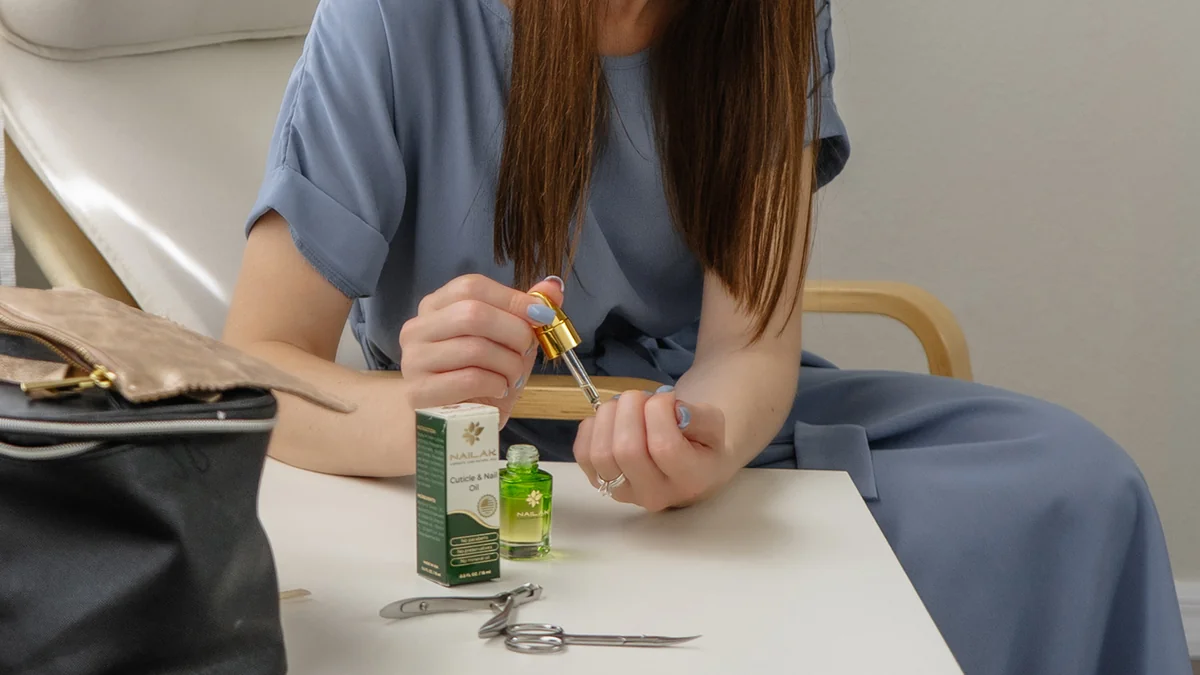
Quick Summary: This guide to nail care after pregnancy blends science, rituals, and easy habits to restore strength, smoothness, and confidence in the fourth trimester.
Why nails change after pregnancy
Your nails are keratin structures that grow from the nail matrix beneath the cuticle. They don’t breathe, and they’re not alive on the surface, but they respond to the internal environment that feeds the matrix. After pregnancy, that environment shifts.
- Hormones reset. Estrogen drops can slow cell turnover and reduce the lush growth you might have felt during pregnancy.
- Hydration changes. Postpartum sweats, breastfeeding demands, and irregular meals affect moisture balance.
- Nutrient redistribution. Iron, zinc, protein, and omega-3s are diverted during pregnancy and postpartum recovery.
- Thyroid fluctuations. Some people experience temporary thyroid shifts that influence hair and nail quality.
- Lifestyle wear. Frequent handwashing and sanitizers can erode the natural lipid barrier around nails and cuticles.
What you might notice:
- Peeling or splitting (onycholysis isn’t typical, but layers can separate at tips).
- Ridges that look new or more pronounced.
- Soft, bendy nails that catch and tear.
- Dry, tender cuticles and recurring hangnails.
The good news: nails grow. Most people see noticeable improvement within one to three nail cycles—roughly 3–6 months—when they adopt nurturing habits.
What to expect month by month
- Months 1–2: You may see more peeling and dryness. Focus on protection and moisture.
- Months 3–4: With consistent care, new growth near the cuticle starts looking smoother.
- Months 5–6: Tips feel sturdier. Breakage reduces. Your natural shape becomes easier to maintain.
Daily rituals for stronger postpartum nails
In nail care after pregnancy, small, repeatable actions matter more than big changes. Try these five anchors.
- Seal in moisture, morning and night.
- Massage a few drops of jojoba or squalane oil into each nail and cuticle.
- Follow with a ceramide-rich or shea-based hand cream.
- Think of oil as your “serum,” cream as your “moisturizer,” and thin cotton gloves as your “sleeping mask” when you can.
- File with intention.
- Choose a fine-grit glass or 180–240 grit emery board.
- File in one direction, from side to center. No sawing.
- Keep a short, rounded-square shape to prevent catches while caring for baby.
- Wear gloves for wet work.
- Water is the hidden enemy— prolonged soaking softens keratin and encourages splits.
- For dishes or bath time, slip on lined, well-fitting gloves. Even brief tasks add up.
- Create a 30-second nail check.
- After washing hands, pat dry and apply a tiny drop of oil.
- Gently push back cuticles with a soft cloth—no cutting needed.
- Scan for snags and smooth them immediately to prevent bigger tears.
- Choose a breathable routine.
- Give nails a weekly “rest day” without polish.
- If you wear polish, pick flexible, breathable formulas and a strengthening base coat with nylon fibers or calcium pantothenate.
- Remove with non-acetone remover and rehydrate immediately.
When to see a pro
If you notice dramatic thinning, nail lifting from the bed, painful inflammation, or sudden color changes, book an appointment with a dermatologist. These signs can point to fungal issues, psoriasis, or postpartum thyroid concerns that deserve personalized care.
Smart nutrition for nail recovery
Nail strength starts at the matrix, where nutrients fuel new growth. Postpartum nutrition is about rebuilding your stores, supporting milk supply if you’re breastfeeding, and stabilizing energy.
- Protein: Aim for consistent servings. Think Greek yogurt, eggs, tofu, lentils, turkey slices, or cottage cheese. Keratin needs amino acids.
- Iron: Low iron can show up as brittle nails and fatigue. Include lean red meat, beans, spinach, or fortified cereals. Pair with vitamin C for absorption.
- Zinc: Supports tissue repair. Try pumpkin seeds, chickpeas, and seafood.
- Omega-3s: These help skin and nail flexibility. Smoked salmon, sardines, chia, flax, or an approved supplement.
- B vitamins (including biotin): Biotin supports keratin production. Food sources include eggs, nuts, and whole grains.
A gentle note on biotin supplements:
- High-dose biotin can interfere with certain lab tests, including thyroid and cardiac markers.
- If you’re breastfeeding or managing postpartum testing, ask your provider before starting a dedicated biotin supplement. Balanced, food-first choices are usually enough.
Snack ideas for tired days
- Apple slices with almond butter and chia.
- Whole-grain toast with ricotta, honey, and strawberries.
- Hummus spooned over cucumber coins and pumpkin seeds.
- Yogurt parfait with walnuts and blueberries.
- Avocado on crackers with a squeeze of lemon.
Hydration that actually happens
- Keep a large bottle at nursing or pumping stations.
- Add a pinch of electrolyte mix if advised, especially after night sweats.
- Flavor with cucumber, mint, or lemon for a sensory nudge.
Gentle products and ingredients to try
Nail care after pregnancy works best with minimal, multitasking formulas. Think supportive, not aggressive.
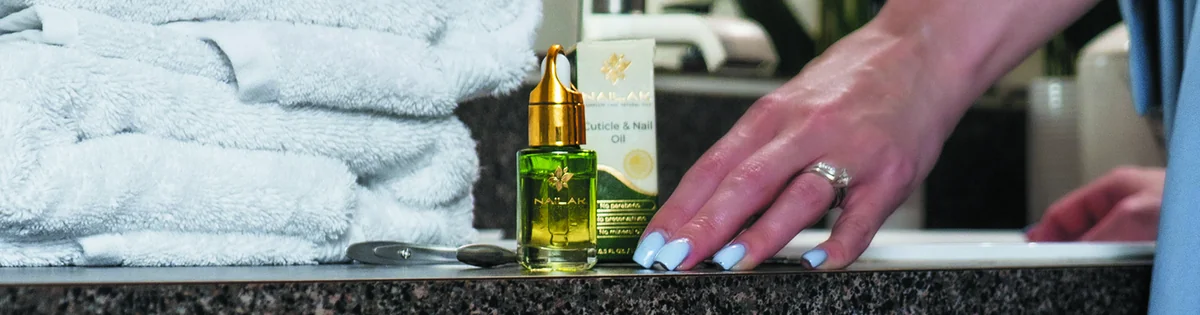
- Oils: Jojoba mimics natural sebum and penetrates well. Sweet almond and squalane are light and fast-absorbing. A drop of vitamin E can boost conditioning.
- Creams: Look for glycerin, urea (up to 10% to soften roughness), shea, and ceramides. These ingredients pull water in and lock it down.
- Bases and top coats: Fiber-infused strengtheners add a micro-mesh that helps prevent splitting. Choose those without formaldehyde resin if your nails are sensitive.
- Removers: Non-acetone, low-odor removers are gentler. Always rehydrate with oil and cream after removal.
For inspiration beyond nails, it’s helpful to notice how skin care has embraced targeted actives, from peptides to antioxidants. A recent review of a peptide-rich eye cream touched on ingredient science and results-oriented formulations—proof that thoughtful actives can be both precise and gentle. The same mindset applies to choosing nail care: targeted, consistent, and kind. (source: https://beautyblogwales.com/2022/11/17/perricone-md-cold-plasma-plus-advanced-eye-cream-review/)
Patch test postpartum
Bodies can be reactive after pregnancy. Try any new product for several days on one nail or a small patch of skin before full use. Watch for stinging, redness, or persistent peeling.
If you love polish
- Rotate. Go two weeks polished, one week bare with daily oil.
- Use a ridge-filling base to smooth postpartum ridges without buffing too much.
- Cap the free edge with top coat to seal layers and reduce peeling.
Salon visits, simplified
A salon trip can feel like a mini-vacation, but postpartum hands need extra care. Advocate for your needs.
- Short and soft. Ask for a shorter, rounded-square shape that resists snagging on baby clothes.
- Water-less manicures. Soaking swells nails, making them more prone to peeling later. Request minimal soaking or a dry manicure with warm towels.
- Sanitation matters. Choose salons with clear tool sterilization practices. Bring your own file and buffer if you prefer.
- Go light on the e-file. If your nails are thin, request manual refining. Aggressive e-filing can accelerate peeling.
- Gentle removal. For gels, opt for a proper soak-off with foil, low acetone, and oil barrier around the skin, not scraping.
- Nourish at the end. Ask your tech to finish with cuticle oil and a rich hand massage to seal the service.
If you bring baby:
- Book the first appointment of the day for a quieter space.
- Sit near the door for easy exits.
- Keep hand sanitizer nearby but rehydrate with oil and cream afterward.
Time-saving routines for new moms
Let’s be honest—time is a luxury. Nail care after pregnancy thrives on micro-moments that stitch into your day.
The 30-second ritual:
- Keep a pocket-sized cuticle oil by the glider, stroller, and sink.
- After each handwash, pat dry and apply one swipe across all cuticles.
- Press in with thumbs, then seal with a dime-sized hand cream.
The two-minute weekly reset:
- Smooth snags with a glass file.
- Apply ridge-filling base on bare nails.
- Finish with a quick-dry top coat if you want a clean, glossy look without color.
The chore-proof plan:
- Stash nitrile or lined dish gloves under the sink.
- Slip them on for dishes, cleaning, or bath toys.
- After gloves come off, oil and cream. Habit resets the barrier you just protected.
The emergency kit:
- Mini file, oil pen, and bandage stickers.
- Toss it in the diaper bag to fix snags before they escalate into tears.
Mindful mantras for your hands
- “Short is chic.” Short nails read deliberate, modern, and baby-safe.
- “Shine equals health.” Glossy bare nails glow with consistent care.
- “Pause is power.” Thirty seconds of oil can prevent a week of peeling.
When nails need a little extra
Some seasons call for reinforcement. If your nails stay soft, layer support.
- Silk wraps: Paper-thin silk patches over a split can help you grow past the weak point without tearing.
- Builder base gels: Flexible, soak-off builder layers can protect delicate nails, but keep them thin and allow regular breaks. Professional application and gentle removal are key.
- Overnight gloves: Coat hands in thick cream, add oil to nails, and slip on cotton gloves. Wake to softer, more resilient edges.
Buffing, carefully
If ridges bug you, use a very fine buffer and keep it minimal. Over-buffing thins nails and worsens peeling. Better: disguise with a ridge-filling base.
Red flags worth noting
- Sudden spoon-shaped nails or deep grooves.
- Persistent yellowing or crumbling.
- Painful, inflamed cuticles. If any of these appear, consult a dermatologist or your primary provider.
Confidence, identity, and small rituals
There’s a quiet grace in tending to nails during the fourth trimester. It’s not about perfection. It’s the way your hands tell a new story each day—how they cradle, fasten, stir, and soothe. When you pause to massage oil into a stubborn hangnail or file a snag before it spreads, you send a message inward: I am worth the moment.
Nail care after pregnancy isn’t about recreating a former version of you. It’s about weaving care into the life you have now, one gentle habit at a time. The rhythm of small rituals builds confidence the way a lullaby builds calm—steadily, softly, without strain. Your nails will catch the light again. So will you.
Frequently Asked Questions (FAQ)
Q: Why are my nails brittle after pregnancy? A: Estrogen drops, frequent handwashing, nutrient shifts, and sleep loss can dehydrate nails and thin the protective lipid layer. Pair daily oil and cream with a short, rounded shape and gloves for wet work to reduce peeling and breakage.
Q: Is biotin safe while breastfeeding? A: Food-based biotin from eggs, nuts, and whole grains is a gentle choice. Before using high-dose biotin supplements, check with your provider, as biotin can interfere with some lab tests and may not be necessary if your diet is balanced.
Q: How can I stop peeling and splitting? A: Keep nails short, file in one direction, and seal the free edge with a strengthening base and top coat. Apply cuticle oil after every handwash and wear gloves for chores. Give nails a weekly polish break and rehydrate with oil and cream.
Q: Are gel manicures okay postpartum? A: Yes, with care. Choose thin, flexible gel layers, avoid aggressive e-filing, and insist on gentle soak-off removal. Rehydrate immediately after removal and schedule breaks to monitor your natural nail health.
Q: How long until my nails feel normal again? A: Most people see improvement in 6–12 weeks with consistent care, as new growth emerges from the matrix. Full strength can take 3–6 months, depending on your nail growth rate, nutrition, and daily habits.
Estimated word count: 1975