
Nails Breaking After Pregnancy: Causes and Fixes
The house is quiet in that rare, in-between way. The baby finally sleeps, and the kettle sings half-heartedly before you flick it off. Your mug still smells like bergamot from yesterday’s tea; you never got to drink it hot. You rest your hands around the warm ceramic for comfort more than caffeine, and that’s when you notice it: another nail has split. A thin white crack creeping from the edge, snagging on the knit of your sweater like a tiny reminder that your body is still catching up with your life.
Six months ago, your nails were little wonders. Glossy. Strong. The kind that made tapping on your laptop sound purposeful. Now, you open the dishwasher and one peels back. You buckle the car seat and another feels tender. It’s such a small thing, but the tiny sting of a break has a way of pulling you out of yourself. Of reminding you everything has changed.
You rub a thumb over your index finger and can almost feel the dryness. The edges aren’t sharp, but they’re not smooth either—like a paper edge that’s been folded too many times. You think about all the handwashing. The bottle sterilizing. The quick clean-ups with sanitizer in the diaper bag. You think about the snacks eaten standing at the counter, the sips of water you meant to take but didn’t, the vitamins you promised you’d remember but forget in the swirl of nap windows and laundry cycles.
Maybe no one else sees it, but you notice. The tiny ridges. The way the polish chipped after a day. The quiet disappointment of catching your nail on the zipper of the stroller bag. It’s not vanity; it’s something gentler. A wish to see a piece of yourself that feels cared for.
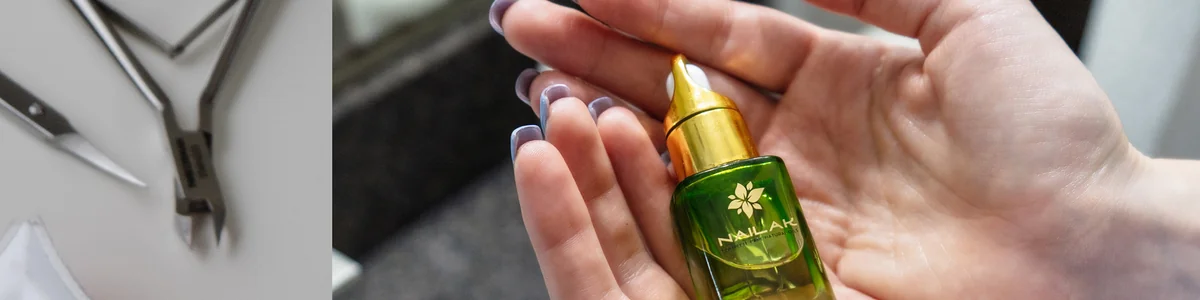
You roll a thin layer of balm over your cuticles because it’s what you have within reach. The oil softens immediately, and you can almost feel the smoothness returning. There’s a small breath of relief. It’s not a makeover. It’s a moment. A slow, caring pause in a season where so much is fast and loud.
Let’s be honest, nails breaking after pregnancy can feel trivial compared to everything else—but it’s often the little things that restore a sense of normal. The sound of your ring tapping lightly on a cup as you stir. The way a neatly filed edge doesn’t catch on baby socks. The soft gleam that says, “I did one kind thing for myself today.” That’s what we’re after. Not perfection. Not pressure. Just practical, science-backed ways to reclaim strong, quietly confident nails while you’re rebuilding your routines—and yourself.

Quick Summary: Nails breaking after pregnancy often result from hormonal shifts, nutrient demands, and daily wear; with gentle care, smart nutrition, and the right products, you can restore strength and smoothness safely.
Why nails break after pregnancy
Pregnancy turns your body into a growth-boosting miracle. High estrogen can make hair and nails feel stronger and faster-growing. After birth, those hormones drop quickly. Your nail growth rate can slow, and the new nail emerging may be drier, softer, or more prone to splitting.
Several factors team up here:
- Hormone shifts: Postpartum estrogen and progesterone fluctuations change nail plate hydration. Drier plates chip and peel.
- Nutrient redistribution: Healing, milk production, and interrupted meals can mean fewer building blocks for keratin.
- Frequent handwashing and sanitizers: Water and alcohol strip natural oils, dehydrating nails and cuticles.
- Sleep loss and stress: Elevated cortisol can affect tissue repair and hydration balance.
- Thyroid changes: Postpartum thyroiditis can show up as brittle nails, along with fatigue, hair loss, or mood changes.
- Everyday mechanics: Lifting car seats, unfastening snaps, and opening boxes create constant microtrauma that weaker nails can’t shrug off.
If you notice layers peeling from the edges, that’s onychoschizia—common, fixable, and usually a sign of dehydration and mechanical stress. Vertical ridges can increase too. They’re often normal with age and life stages but can look more pronounced when nails are dry or growing more slowly.
Here’s a helpful timeline: nails grow, on average, 2–3 millimeters a month. That means changes you make today may take 8–12 weeks to reach the tips. Slow isn’t failure. It’s simply biology at work.
What healthy postpartum nails need
Strong nails aren’t just “hard.” They’re flexible, balanced, and protected. Picture a well-built roof: tough shingles, a waterproof barrier, and regular maintenance. Your nails need similar layers of support.
They thrive with:
- Protein and micronutrients: Keratin is protein. Your body needs amino acids, plus iron, zinc, biotin (in food or safe doses), and vitamins A, C, D, and B12 to build it.
- Moisture and lipids: Water inside the nail and lipids on the surface prevent brittleness.
- Gentle mechanics: Smooth edges, rounded shapes, and protection during chores stop microtears.
- Cuticle respect: Intact cuticles seal the new nail from bacteria and dehydration.
- Consistency and time: Little habits, repeated daily, create lasting strength.
Signs you’re on track:
- Edges file smoothly without shredding.
- Fewer snags on clothing or diapers.
- Cuticles look soft, not frayed.
- Polish lasts longer, even if you skip gel.
- Nails feel less “papery” and more resilient.
A useful note: healthy nails can bend slightly without breaking. If yours snap when you tap a countertop, think hydration, oils, and protection first. Hard isn’t always better; balanced is the goal.
Daily care that fits a new-mom schedule
You don’t need a 10-step routine to fix nails breaking after pregnancy. You need tiny, repeatable moments that work in five minutes or less.
Try this micro-routine:
- Morning: After washing hands, apply a pea-size hand cream. Seal cuticles with one drop of jojoba or almond oil per hand.
- Midday: Keep a travel cuticle oil pen in the diaper bag. Use it while feeding or during tummy time.
- Evening: Shorten nails with a fine glass file using one direction strokes. Round the corners to avoid snags. Finish with oil and a barrier hand cream.
- Chores: Wear dish gloves for dishes, bath time, and cleaning. It’s not fussy—it’s protection.
- On-the-go: If a nail splits, smooth with a buffer right away to stop peeling from spreading.
And a weekly boost:
- Remove polish gently with non-acetone remover if you wear color.
- Soak tips in lukewarm water for two minutes, then pat dry.
- Apply a 5–10% urea or lactic acid hand cream to soften roughness.
- Seal with oil over cuticles and sidewalls.
- Finish with a breathable base coat for flexible reinforcement.
If you love polish:
- Use a strengthening base that’s aldehyde-free or very low in reactive hardeners.
- Choose light colors that show chips less.
- Give nails two polish-free days every couple of weeks.
On tougher emotional days, even simple care can feel heavy. It helps to remember that self-care changes shape with your season. Some weeks, “care” is water, rest, and saying no. That gentleness counts—and your nails will benefit as you reduce stress-related dehydration and keep routines realistic (source: https://www.gemmaetc.com/2026/03/how-to-care-for-yourself-during-difficult-mental-health-days.html).
Small but mighty tools to keep at hand:
- Glass nail file
- Cuticle oil pen
- Glycerin-rich hand cream
- Nitrile dish gloves
- Soft buffer
Think of them as insurance policies for your progress.
Nutrition that supports stronger nails
Food-first is powerful, especially after birth. Your body is rebuilding, possibly producing milk, and adjusting to new rhythms. The right nutrients make keratin stronger and keep nail layers hydrated.
Key players:
- Protein: Aim for a source at each meal—eggs, Greek yogurt, tofu, lentils, chicken, or fish. Keratin needs amino acids to form tightly packed, resilient layers.
- Iron and ferritin: Low iron stores can mean brittle nails and fatigue. Include iron-rich foods like lean red meat, legumes, spinach, and fortified cereals. Pair with vitamin C (citrus, peppers) to boost absorption.
- Zinc: Supports keratin formation and healing. Try pumpkin seeds, chickpeas, and seafood.
- Biotin: Found in eggs, nuts, and seeds. Whole-food biotin supports nail growth, but supplements can interfere with certain lab tests. If you consider a supplement, talk to your clinician first, especially if breastfeeding.
- Omega-3s: Help maintain skin and nail moisture. Choose salmon, sardines, walnuts, chia, or flax.
- Vitamin D and B12: Low levels can show up in nails and energy. If you suspect a deficiency, discuss testing with your provider.
- Collagen and vitamin C: Collagen peptides may support nail strength for some people; vitamin C aids collagen synthesis. If you’re breastfeeding or on medications, confirm safety with a clinician.
Hydration matters more than you think. Dehydration leads to drier nails that break. Keep a water bottle where you nurse or pump. Add a splash of citrus or a few berries to make it enticing. Electrolytes can help on hot days or when you’re sweating, but watch added sugars.
If you’re taking a prenatal or postpartum multivitamin, stay consistent. It’s a steady way to cover gaps while real life pushes perfect meals off the table. Nails reflect overall nourishment, so even small dietary wins build over time.
Low-toxic products that actually help
Products aren’t magic, but the right ones act like scaffolding while your biology resets.
Look for:
- Cuticle oils with jojoba, squalane, or sweet almond oil. These mimic natural lipids and penetrate well.
- Hand creams with glycerin, urea (5–10%), lactic acid (5%), and ceramides. They draw water in and keep it there.
- Breathable, flexible base coats labeled as strengthening without high formaldehyde content. Seek nylon-fiber or plant-derived resin technologies for reinforcement.
- Ridge-filling bases to smooth peeling edges so polish doesn’t catch.
- Non-acetone removers with conditioning agents for routine changes.
Use with care:
- Hard “nail hardeners” with formaldehyde. They can make brittle nails feel tougher short-term but more crack-prone with repeated use. If you use them, limit frequency and layer with oil.
- Gel or acrylic systems. They look flawless, but removal can dehydrate and thin the nail. If you love gel, extend time between sets, choose soak-off formulas, and request minimal buffing. Always oil daily.
Avoid:
- Metal cuticle pushers used aggressively. Tearing that seal invites peeling.
- Picking polish or gel. It removes surface layers of nail.
- Repeated sanitizer without following up with cream. Pair your pump with a dab of glycerin-rich moisturizer.
Pro tip: Layer oil, then cream, then a breathable base coat if you want a bare, healthy sheen. The oil replenishes, the cream traps water, and the base coats the roof.
When to see a doctor
Most cases of nails breaking after pregnancy respond to home care. But some signs need medical input.
Contact your provider if you notice:
- Nails lifting from the bed (onycholysis)
- Spoon-shaped nails (koilonychia), which can indicate iron deficiency
- Pitting, crumbling, or red, tender skin around nails
- A new, dark vertical streak on one nail
- Severe splitting that doesn’t improve after 8–12 weeks of care
- Additional symptoms: marked fatigue, palpitations, weight changes, hair loss, or feeling unusually cold or anxious
Possible labs to discuss:
- Ferritin and iron panel
- Thyroid function tests (TSH, free T4)
- Vitamin D and B12 levels
If you’re taking biotin supplements, let your clinician know before labs. Biotin can skew certain test results. Don’t stop any prescribed medication without guidance.
Also, consider a check-in if you feel persistently low, overwhelmed, or detached. Your nails tell part of the story, but your well-being matters most. Support—medical, nutritional, and emotional—works together.
Confidence, one hand at a time
Caring for nails after pregnancy isn’t about achieving a salon-perfect square in a season that’s anything but square. It’s about reclaiming small rhythms. A quiet minute with oil while the baby coos. Gloves that say you’re protecting your progress. The comforting click as you close a cabinet with a nail that didn’t catch.
Confidence doesn’t always arrive with a big gesture. Sometimes it’s a soft, rounded edge that doesn’t snag. It’s a hand that looks hydrated after bath time. It’s the tiny ritual that marks a day as yours too.
Your body has done something extraordinary. It’s still recalibrating. If your nails feel like a fragile footnote, let that be the place you practice gentleness. Choose flexible strength over brittle perfection. Feed yourself well. Sleep when you can. Moisturize often. File with intention. And remember: growth is happening, even when it’s the quiet kind you can only see a few millimeters at a time.
Frequently Asked Questions (FAQ)
Q: How long do nails breaking after pregnancy take to improve?
A: With daily care and better hydration, many people see smoother edges in 4–6 weeks and stronger growth at 8–12 weeks. Full recovery along the entire nail plate may take 3–6 months, depending on growth rate.
Q: Does breastfeeding cause brittle nails, or is it just hormones?
A: Both can play a role. Hormone shifts dry the nail plate, and milk production increases nutrient demands. Consistent protein, iron-rich foods, and daily oils help. If brittleness persists, ask your clinician about checking ferritin and thyroid levels.
Q: Is biotin safe while breastfeeding for nails breaking after pregnancy?
A: Many get enough biotin through food. Supplements can sometimes be appropriate, but they may interfere with lab tests. Discuss with your clinician before starting, and always share any supplements you take at appointments.
Q: Can I get gel manicures while my nails are still fragile?
A: If you love gel, space out appointments, request minimal buffing, and saturate nails with oil daily. Consider alternating with regular polish and building a strengthening base routine to reduce dehydration.
Q: What’s the fastest daily routine to stop splits?
A: Keep nails short and rounded. After each handwash, apply a glycerin-rich cream and a drop of cuticle oil. Wear gloves for wet work. Smooth snags immediately with a glass file to prevent peeling from spreading.
Estimated word count: ~1,970