
Nail Care for Hormonal Changes: A Gentle Guide
The chipped mauve polish on your index finger catches the kitchen light as you lift a mug of ginger tea. It’s early, the kind of soft morning that smells like toast and clean laundry. You settle at the table, feeling the grain of the wood under your palms, and notice how the edge of your nail snags on your sweater cuff. Not a big deal, you think. But it keeps happening. Little tears. Tiny splits. Ridges that weren’t there last spring.
There was a time when your nails were simple. File, paint, go. Then life got interesting. Your cycle gained a rhythm you could set your calendar by—until it didn’t. Maybe you had a baby. Maybe you started new birth control. Maybe you’re crossing into perimenopause, or simply navigating a stretch of high stress. Whatever the cause, your nails have become part of the conversation your body is trying to have with you.
You dab on cuticle oil, the sweet almond scent blooming as it warms under your fingers. You remember the cool, glassy feel of your last gel manicure, the way it made you sit up straighter with your coffee at work. Confidence, bottled in a tiny brush. But lately even gel seems to lift too soon. You glance at your to-do list. In the margin, you write: “Nails = reset.”
Let’s be honest—there’s a quiet relief in deciding to care for something small. It’s concrete. A practice you can repeat on a busy Tuesday night. You picture your hands holding a steering wheel, a child’s backpack, a glass of sparkling water. You want the nails in that image to look healthy. Not perfect. Just… resilient.
You breathe. Your phone buzzes with a message from a friend: “Is it me, or are my nails thinner lately?” Not just you, you type back. And it’s not vanity. Nails are made from keratin, a protein shaped by your body’s internal tides—estrogen and progesterone, thyroid function, even cortisol. When those tides shift, your nails tell the story. Brittle corners. Peeling layers. Slow growth. That story can be rewritten with daily care, smart nutrition, and a little strategy synced to your cycle.
Here’s the secret: nail care for hormonal changes isn’t a complicated regime. It’s a calm rhythm. Thoughtful products. Small protections that add up. A kinder way to treat your hands. You don’t need a complete life overhaul. Just a new script for the next few months—one that returns sheen to your days, one tiny glossy half-moon at a time.
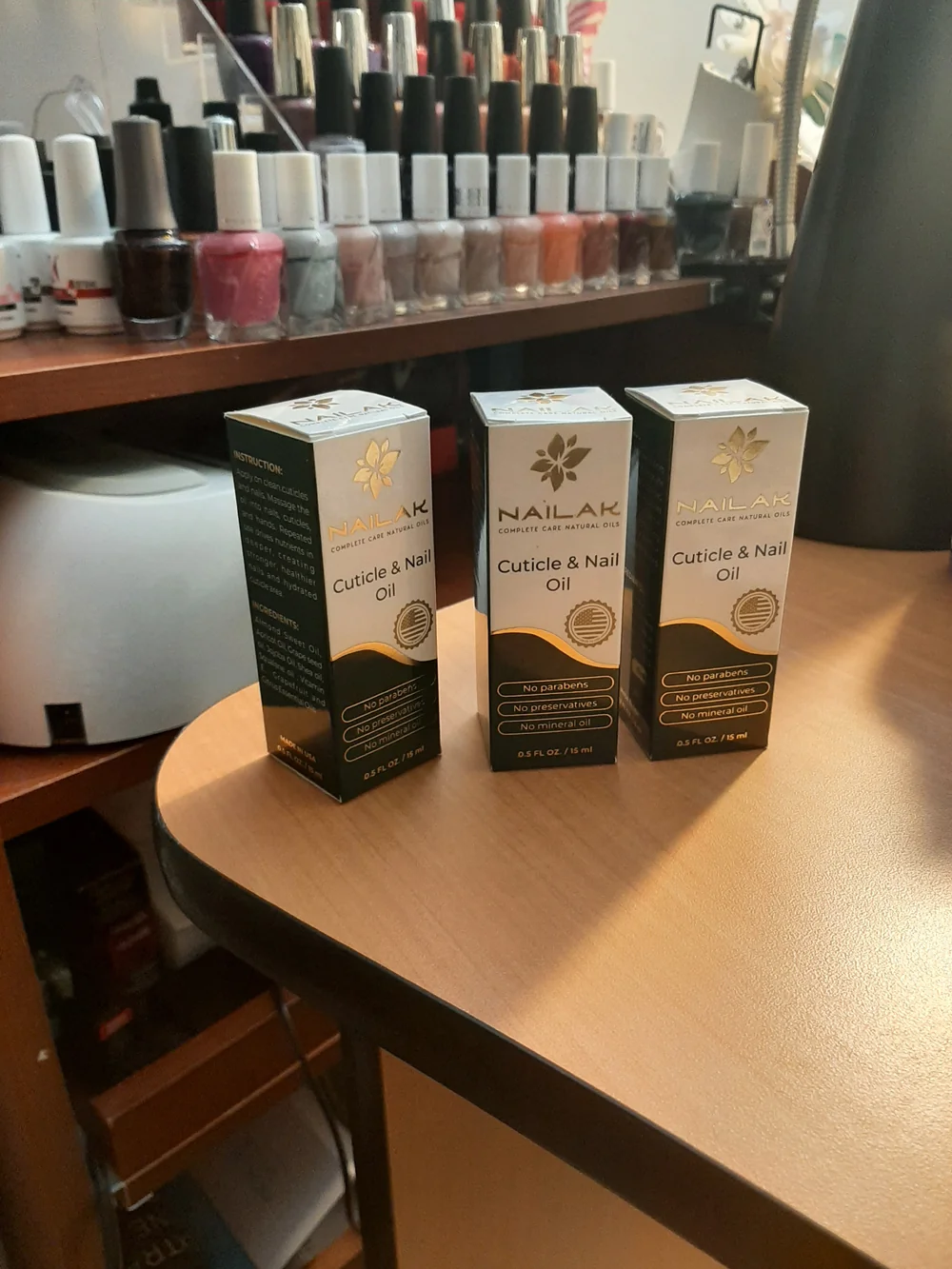
A warm, science-led guide to nail care for hormonal changes—what’s happening, what helps, and how to rebuild strength with rituals that fit real life.
Why hormones change your nails
Your nails are slow storytellers. Each one takes about six months to grow from matrix to tip, so whatever you see today reflects your body’s chemistry from weeks ago. That’s why hormonal shifts can show up subtly yet persistently.
Here’s what’s happening beneath the polish:
- Estrogen helps maintain moisture in the nail plate and surrounding skin. As estrogen dips—postpartum, during certain birth control changes, or in perimenopause—nails may feel drier and more brittle.
- Progesterone fluctuations can change how much water your body retains. That can cause nails to expand and contract, leading to peeling layers or ridges.
- Thyroid hormones influence keratin production and nail growth speed. When thyroid balance is off, nails can thin, break easily, or develop pronounced ridges.
- Cortisol, your stress hormone, can impair nutrient delivery to the nail matrix. Chronic stress shows up as slow growth and weaker tips.
Life stages where you might notice differences:
- Puberty: faster growth, occasional brittleness during rapid change.
- Pregnancy: sometimes stronger, faster-growing nails due to increased blood volume and nutrients.
- Postpartum: dryness and peeling are common as hormones recalibrate and sleep dips.
- Perimenopause and menopause: lower estrogen often means drier nails and skin.
- New birth control or hormone therapy: temporary changes in texture and growth.
The good news: nails respond beautifully to consistent, gentle care. Think moisture, protection, and patience.
Signs your nails are asking for help
Small changes add up. Here’s what to watch for and what they may signal:
- Peeling layers (onycholysis): often linked to dryness, overexposure to water, or frequent gel removal.
- Vertical ridges: common with age and hormonal shifts; usually harmless, but can indicate dehydration or nutrient gaps.
- Splitting at the edges: a sign you need shorter lengths, softer filing, and more oiling.
- Slow growth: can be normal, or tied to stress, thyroid shifts, or low protein intake.
- Spoon-shaped nails or very pale beds: can be associated with low iron—worth checking with your clinician.
- Redness, swelling, or pus around cuticles: potential infection; see a professional.
A helpful gut check: if something changes suddenly, feels painful, or looks unusual (dark streaks, significant lifting), seek medical guidance. Nail changes often respond to lifestyle tweaks, but your health comes first.
Nail care for hormonal changes: daily rituals
Healthy nails are built by daily micro-moments. Start small. Make it feel good. Keep it repeatable.
H3: Your 5-minute morning routine
- Wash hands with a gentle, fragrance-free cleanser.
- Pat dry thoroughly, especially under tips.
- Massage cuticle oil into each nail for 20 seconds. You can almost feel the smoothness return.
- Seal with a ceramide-rich hand cream to lock in moisture.
- If wearing polish, brush a thin layer of a hydrating base coat every 2–3 days as a refresh.
H3: Evening reset for resilience
- Use a glass file to smooth any snags in one direction only.
- Apply cuticle oil again; make it a screen-time ritual.
- Wear lightweight cotton gloves overnight if your room runs dry.
H3: Weekly reset
- Keep nails short to squoval. Shorter nails are less likely to split when hormones make them fragile.
- Do a waterless manicure: push back cuticles gently with an oil-softened stick. Avoid cutting—your cuticles are a protective seal.
- If you love polish, choose a breathable, acetone-free routine. Remove color no more than once weekly.
Three actionable upgrades that make a big difference:
- Oil twice daily—use jojoba, squalane, or sweet almond. Jojoba mimics skin’s natural sebum and penetrates well.
- Wear gloves for dishes and cleaning. Warm water and detergents strip keratin faster than you think.
- Switch to a gentle, acetone-free remover and take polish “rest days” weekly.
A note on strengtheners: choose flexible, conditioning formulas. If your nails are sensitive, avoid high formaldehyde content. Over-hardening can make nails snap instead of bend.
In the salon, ask for a light hand with buffing and a “no-drill” removal policy for gels. Protect the nail plate you’ve worked hard to heal.
In the middle of life changes, style often benefits from small edits rather than overhauls. The same is true for nails. Think of it like a wardrobe refresh: small swaps can make everything feel pulled together again. One blogger even reframed “frumpy” outfits at 40 with simple tweaks—proof that gentle changes go a long way in how we feel. Nails included. (source: https://www.beauty4free2u.com/2026/02/5-frumpy-outfits-i-wore-at-40-and-how.html)

Nutrition to fortify nails
Your nails are protein in motion. Nourish from the inside to help each new millimeter grow stronger.
What to prioritize:
- Protein at each meal: eggs, yogurt, tofu, legumes, fish, or chicken. Aim for 20–30 grams per meal.
- Healthy fats: omega-3s from salmon, sardines, walnuts, or chia support nail and skin moisture.
- Iron and B12: red meat, beans, lentils, fortified cereals, or a clinician-guided supplement if needed.
- Zinc: pumpkin seeds, oysters, chickpeas help keratin formation.
- Vitamin C: citrus, berries, and peppers aid collagen synthesis and iron absorption.
- Hydration: water helps keep nail cells flexible. Add electrolytes during workouts or heat waves.
H3: Smart supplementation, not megadoses
- Biotin can help if you’re deficient, but more isn’t more. High doses may interfere with certain lab tests; tell your clinician if you take it.
- Collagen peptides show promising support for nail brittleness in some studies. Consistency matters—think 8–12 weeks.
- Multivitamins can fill small gaps. Personalized testing is ideal before targeted supplements.
Sample nail-friendly day:
- Breakfast: Greek yogurt parfait with chia, berries, and pumpkin seeds.
- Lunch: Lentil salad with arugula, roasted peppers, olive oil, and lemon.
- Snack: Apple slices with almond butter.
- Dinner: Salmon, quinoa, and garlicky sautéed spinach.
- Evening: Herbal tea and a square of dark chocolate.
Food is not a quick fix, but it’s the foundation. As your new nails grow in, you’ll see the payoff at the cuticle line first.
Smart salon choices and polish tips
You can absolutely enjoy color and still care for hormonal shifts. It’s about technique and timing.
- Choose breathable or conditioning base coats with oils and keratin-amino complexes.
- Opt for acetone-free removal. If acetone is necessary, follow with oil and a rich barrier cream.
- Avoid aggressive e-filing. Thinning the nail plate weakens structure and invites peeling.
- Try a waterless manicure. Less soak equals less swelling, which means fewer post-appointment chips.
- For gel lovers: schedule gentle, professional removal. Use SPF 30+ on hands or UV-blocking gloves under lamps.
- Build a “coat of armor”: one thin hydrating base, two thin color coats, one flexible topcoat. Thin layers last longer and stress nails less.
- Give yourself one polish-free day weekly. Oil heavily on those days.
If regular gels seem to trigger peeling during hormonal changes, try a “builder-in-a-bottle” overlay in short lengths for a few months. It can add flexible support while your natural nails strengthen beneath. Keep the length practical; long nails leverage against a fragile plate.
Cycle-syncing your nail routine
Hormones move in cycles, and your care can, too. Aligning with your body’s rhythm can make the whole process feel more intuitive.
Menstrual phase (Days 1–5):
- Comfort and moisture. Keep nails short, skip aggressive shaping.
- Maximize oil and ceramides. Choose soft, rosy neutrals if color soothes you.
Follicular phase (Days 6–13):
- Energy often rises. Try a fresh shape or new polish shade.
- Introduce a strengthening base 2–3 times per week.
Ovulatory phase (Days 14–16):
- Hands often look their brightest. Enjoy your bolds and brights.
- Keep SPF on hands if you’re in the sun, especially with gels.
Luteal phase (Days 17–28):
- Water retention can increase peeling. Double down on oil and gloves for chores.
- Keep lengths practical. Schedule removals early, before a chip spirals into a tear.
Postpartum and perimenopause:
- Think “moisture management.” Oils, occlusive hand creams, and gentle shaping are your trifecta.
- Expect waves. What works in January may need tweaking by June. That’s not failure—it’s responsiveness.
Seasonal shifts matter, too. Winter air is dryer; summer means more water exposure. Adjust with richer creams in cold months and diligent gloves during dish duty year-round.
A softer rhythm, a steadier shine
There’s a calming kind of power in caring for what your hands do each day. They hold your people. They tap keys that build dreams. They brush hair back from your face in the mirror and say, “We’ve got this.” Nail care for hormonal changes isn’t a vanity project. It’s a boundary—a small, steady practice that protects the part of you that does so much.
You don’t have to fix everything at once. You can simply oil. File gently. Choose the shorter length that feels strong right now. Hydrate. Eat what nourishes. Stay curious about your body’s signals. Over weeks, the ridges look softer. The splits stop catching on sweaters. You notice that tiny crescent of new growth near the cuticle, smooth and promising. And with it comes a little more steadiness in your stride.
Estimated word count: 1,980
Frequently Asked Questions (FAQ)
Q: What’s the best cuticle oil for nail care during hormonal changes?
A: Look for lightweight oils that penetrate well, like jojoba and squalane. Add vitamins E and F (linoleic acid) for barrier support. Apply twice daily and after handwashing.
Q: How can I stop my nails from peeling at the tips?
A: Keep lengths short and use a glass file in one direction. Oil morning and night, wear dish gloves, and switch to acetone-free remover. Try a flexible, conditioning base coat and give your nails a polish rest day weekly.
Q: Are nail strengtheners safe if I’m pregnant or perimenopausal?
A: Choose formaldehyde-free or low-formaldehyde formulas and avoid harsh removers. When pregnant, review ingredient lists with your clinician and ensure proper ventilation during salon services. Gentle, hydrating products are your safest bet.
Q: How long until I see results from nail care for hormonal changes?
A: Expect early improvements in hydration within two weeks, with stronger new growth visible at the cuticle line by 6–8 weeks. A full nail typically renews in about six months.
Q: Can I get gel or acrylics while my hormones are shifting?
A: Yes—with caution. Keep nails short, request gentle prep and no aggressive drilling, use SPF gloves under lamps, and schedule proper removal. Rotate in recovery periods with breathable polish and heavy oiling to protect the natural nail.